




From Decoration to Destination
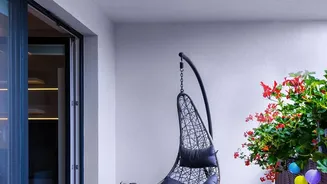
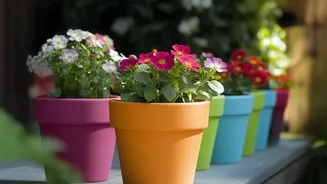
For years, the goal of balcony gardening was simple: make it look pretty. A splash of colour from a petunia here, a touch of green from a money plant there. But a new, more meaningful trend is taking root. Urban gardeners are increasingly looking beyond
aesthetics, seeking to create miniature ecosystems that support local wildlife. This movement, known as wildlife-friendly or conservation gardening, is about turning small urban spaces into functional habitats for the birds, bees, and butterflies that share our cities. It's a conscious shift from having plants to hosting life, providing food and shelter for creatures whose natural environments are shrinking.
Why Your Small Balcony Matters
It's easy to think a few pots on a high-rise balcony can't make a difference, but that's where the magic of a collective effort lies. Ecologists explain that a network of pollinator-friendly balconies can create 'green corridors' or 'nectar pathways' through a city. These pathways allow pollinators like bees and butterflies to travel across vast urban landscapes, feeding and resting as they move. For tiny birds like sunbirds, a balcony with the right flowering plants is a vital refuelling station. By participating, you are not just decorating your home; you are adding a crucial link to a chain that supports the health of your entire city's ecosystem. This is especially important as native pollinator populations face threats from habitat loss and pollution.
Planting with a Purpose
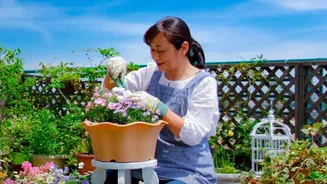
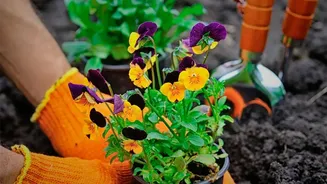
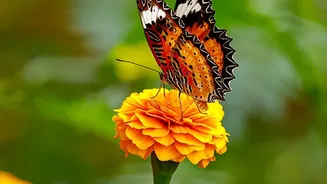
The key to attracting local wildlife is to choose the right plants, with a strong emphasis on native species that local fauna have evolved alongside. While exotic plants can be beautiful, they often offer little to no food for native insects and birds. Instead, focus on a mix of nectar-rich flowers. Brightly coloured flowers like Marigold (Genda), Cosmos, Zinnia, and Pentas are excellent for attracting butterflies. Tubular flowers such as Hibiscus (Gudhal) and Ixora are perfect for sunbirds, which have long beaks designed for sipping nectar from them. Don't forget herbs; a pot of Tulsi (Holy Basil) or fennel will draw countless tiny, beneficial bees. Planting a variety of flowers that bloom in different seasons ensures a year-round food supply for your visitors.
More Than Just Flowers
Creating a true wildlife haven goes beyond just planting flowers. One of the most important additions is a clean, fresh source of water. A simple shallow bowl, or 'bird bath', with a few pebbles for insects to land on can be a lifesaver, especially during hot Indian summers. Equally crucial is the complete avoidance of chemical pesticides and herbicides. These chemicals are indiscriminate, harming the very creatures you're trying to attract and poisoning the food chain. Embrace organic solutions to pest problems, such as neem oil spray or simply introducing beneficial insects. Providing some form of shelter, like a dense bush or a small pile of twigs in a corner, can also offer a safe resting place for insects and birds.
The Joy of Observation
While the ecological benefits are significant, the rewards for the gardener are just as profound. A wildlife-friendly balcony offers a front-row seat to the wonders of nature. The simple joy of watching a sunbird flit between flowers or a bee diligently collecting pollen provides a powerful antidote to the stress of urban life. It fosters a deeper connection to the natural world and serves as an invaluable educational tool for children, teaching them about the intricate web of life right outside their window. This daily interaction with a thriving mini-ecosystem cultivates mindfulness and a sense of purpose, proving that you don't need a large garden to make a positive impact.