






Why Five Minutes Actually Counts
The idea that a workout must be long to be effective is a common misconception that stops many people from starting. Health authorities like the World Health Organization (WHO) recommend adults get 150 to 300 minutes of moderate-intensity aerobic activity
per week. The great news is that current guidelines emphasize that any amount of physical activity provides benefits and that it no longer needs to occur in blocks of at least ten minutes to count. This is where five-minute routines, often called 'exercise snacks', come in. These short bursts of activity, when done consistently, add up. Research shows that these micro-workouts can improve cardiovascular health, help regulate blood sugar, boost mood, and build strength. They are a scientifically-backed way to break up long periods of sitting and accumulate a significant volume of activity over the week.
Adopting the 'Exercise Snacking' Mindset
Think of these short routines not as formal workouts, but as opportunities for movement you 'snack on' throughout the day. This mental shift can be powerful. Instead of carving out a daunting 30-minute block, you just need to find a few five-minute windows. Perhaps it's while waiting for your coffee to brew, during a television commercial break, or as a quick reset between work meetings. The goal is to make movement a natural and frequent part of your day, rather than a scheduled chore you can easily skip. This approach is especially effective for beginners because it focuses on building the habit of consistency, which is the most critical element of a long-term fitness journey. It's about starting small and proving to yourself that you can fit activity into your life.
Your Five-Minute Cardio Burst
A quick cardio session gets your heart rate up, improves circulation, and boosts energy. You don't need any equipment, just a little space. Try this simple circuit. Perform each exercise for 45 seconds, followed by 15 seconds of rest before moving to the next one. 1. Jumping Jacks: A classic full-body movement to warm up. 2. High Knees: Run in place, bringing your knees up towards your chest. 3. Butt Kicks: Jog in place, kicking your heels back towards your glutes. 4. Skater Hops: Leap from side to side, landing on one foot while the other sweeps behind you. 5. Fast Feet: Stay on the balls of your feet and take small, quick steps in place. This simple routine elevates your heart rate and can improve your cardiorespiratory fitness over time, even in short bursts.
A Simple Five-Minute Strength Circuit
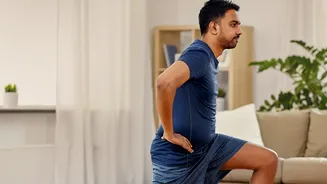
Strength training is crucial for building muscle and boosting metabolism, and you can lay a great foundation with bodyweight exercises. WHO guidelines recommend muscle-strengthening activities on two or more days a week. This circuit targets major muscle groups. Aim to complete as many rounds as possible (AMRAP) in five minutes, maintaining good form. 1. Bodyweight Squats (10 reps): Stand with feet shoulder-width apart and lower your hips as if sitting in a chair. 2. Push-ups (5 reps): Perform on your toes or on your knees for a modification. Keep your body in a straight line. 3. Lunges (5 reps per leg): Step forward with one leg and lower both knees to a 90-degree angle. 4. Plank (hold for 20 seconds): Hold your body in a straight line, supported by your forearms or hands. Even brief, repeated strength movements challenge your muscles and can help maintain strength over time.
Building Your Weekly Plan
The key to success is accumulation. Start by incorporating one five-minute session into your daily routine. Once that feels manageable, add a second. To meet the minimum 150-minute weekly guideline, you need about 21 minutes of activity a day. That could be four five-minute exercise snacks, plus a minute of walking up stairs. A sample week might look like this: - Monday: One cardio burst in the morning, one strength circuit in the afternoon. - Tuesday: One cardio burst at lunchtime. - Wednesday: Two strength circuits spread throughout the day. - Thursday: One cardio burst. - Friday: One cardio and one strength session. - Weekend: A longer walk, plus one or two exercise snacks whenever you can. Listen to your body, and remember that consistency is more important than intensity when you're starting out. Every minute truly does count towards a healthier you.