




For Whole Millets: A Visual Check
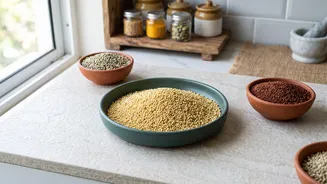
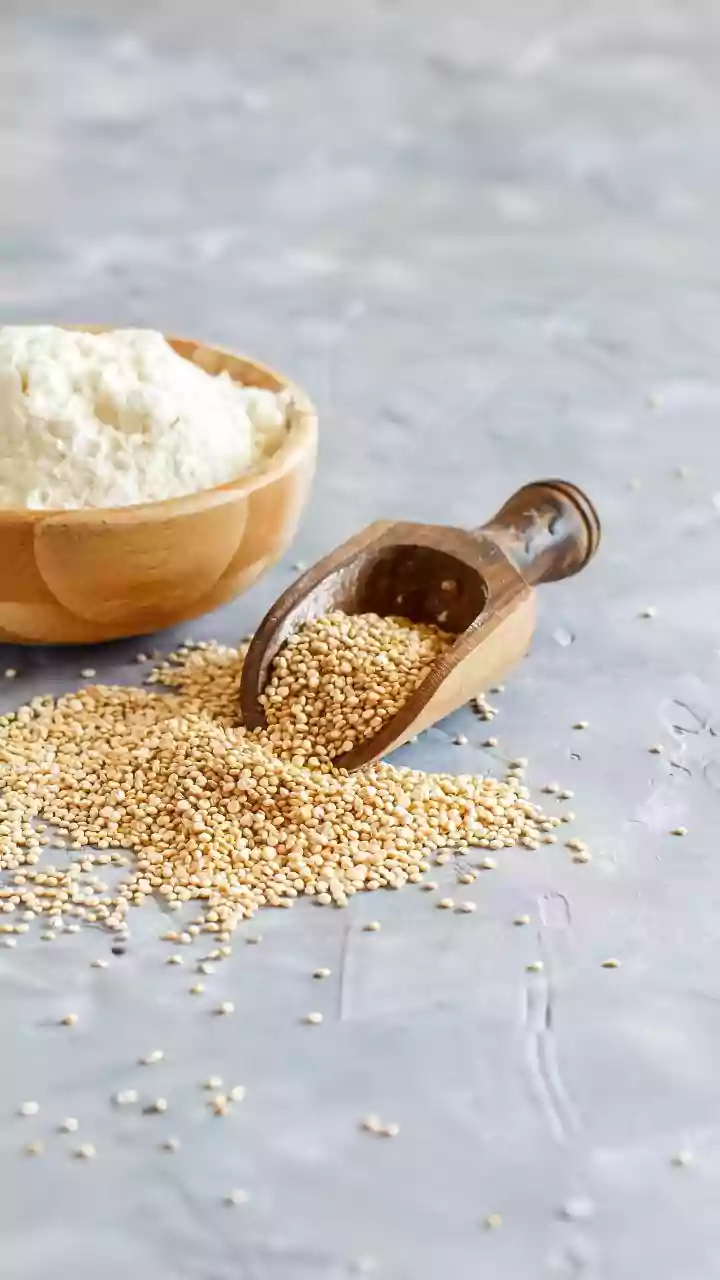
Your first check should always be a visual one. High-quality whole millets should look clean and be free from dust, stones, insects, or any other debris. The grains should be relatively uniform in size and shape. Pay attention to the colour, which should be consistent
with the millet type — for instance, foxtail millet (kangni) has a yellowish hue, while finger millet (ragi) is a deep reddish-brown. Any significant discolouration or a dull appearance could be a sign that the grains are old or have been stored improperly. Avoid packages that have a lot of broken grains or powdery residue at the bottom, as this can indicate poor handling or age.
The Unpolished vs. Polished Debate
When buying millets, you'll often encounter 'polished' and 'unpolished' varieties. Unpolished millets are the superior choice for nutrition. They retain their outer bran layer, which is packed with fibre, vitamins, and minerals. Polished millets have had this layer removed to make them look cleaner and cook faster, but this process strips away much of their nutritional value. Unpolished grains will have a more natural, earthy colour and a slightly rougher look compared to their paler, smoother polished counterparts. For maximum health benefits, always opt for unpolished.
Use Your Senses: The Smell Test
Never underestimate the power of your nose. Fresh whole millets should have a mild, slightly nutty aroma or be virtually odourless. If you detect any musty, stale, or unpleasant smell, it's a clear red flag. This often indicates the presence of moisture, which can lead to fungal growth and spoilage. Avoid any millets that seem damp or are clumped together inside the packaging, as this is another sign that they have been exposed to moisture. Freshness is key to both flavour and nutrition.
For Millet Flour: Freshness is Fleeting
Millet flour is more perishable than whole grains because the healthy oils within are exposed to air once ground. The most important test for flour is the smell test. Fresh millet flour should have a pleasant, subtly sweet or nutty scent. If the flour smells even slightly sour, bitter, or 'off', it has likely gone rancid. Rancid flour will not only taste bad but has also lost its nutritional benefits. Also, check the texture. It should be fine and free-flowing. Any lumps in the flour are a sign of moisture, which can lead to mould and spoilage.
Check the Label and Packaging
Whether you're buying whole grains or flour, always check the packaging date. Look for the 'Date of Manufacturing' or 'Date of Packing' and choose the freshest batch available. Pay close attention to the 'Best Before' date, especially for flour, which has a shorter shelf life. The packaging itself should be sturdy and completely sealed to protect the contents from air, moisture, and pests. When possible, buy from trusted brands or retailers. Checking for an FSSAI certification on the label can also provide an assurance of quality and safety against common adulterants like cheaper flours.
Buy Smart and Store Right
It’s wise to buy millets and their flour in smaller quantities that you can consume within a few weeks to a month. This is particularly crucial for flour to avoid the risk of it turning rancid. Once you bring them home, proper storage is essential. Store whole millets in a clean, dry, airtight container in a cool, dark place away from direct sunlight; this will keep them fresh for several months. Millet flour, on the other hand, should be stored in an airtight container in the refrigerator or even the freezer. The cold temperature significantly slows down the oxidation of oils, preserving its freshness and flavour for much longer, which is especially important in India’s warmer climate.