






The Core Dilemma: Fresh Air vs. Humidity
During heavy rains, the air outside is saturated with moisture. Opening windows might seem like a good way to ventilate, but it often makes the problem worse by letting this humid air inside. High indoor humidity, typically above 60%, creates that sticky,
uncomfortable feeling. More importantly, it creates the perfect breeding ground for mould, mildew, and dust mites, which can trigger allergies and respiratory issues. This trapped moisture can also damage wooden furniture, causing it to swell, and harm walls and fabrics. The goal isn't just to circulate air, but to reduce the overall moisture content in your home.
Strategic Ventilation: Timing is Everything
Instead of keeping windows open constantly, adopt a strategic approach. The best time to ventilate is during breaks in the rain or in the mornings when the air is often cooler and drier. Opening windows on opposite sides of the house for even a short period creates cross-ventilation, which effectively flushes out stale, moist air and replaces it with fresher air. This simple practice prevents the buildup of unpleasant, musty odours and reduces the clammy feeling indoors. Make sure that pathways for airflow are clear by moving bulky furniture away from windows and doors.
Mechanical Aids: Your First Line of Defence
Your home's built-in systems are powerful tools against humidity. Exhaust fans in kitchens and bathrooms are essential. Use them during and after cooking or showering to pull moisture-laden air directly outside before it can spread through the house. Similarly, installing mesh or mosquito nets on windows allows for ventilation without letting in pests, a common problem during the monsoon. For rooms with limited airflow, even a simple ceiling or pedestal fan can make a big difference by keeping the air moving and preventing stagnant, damp corners where mould loves to grow.
AC Dry Mode vs. A Dehumidifier
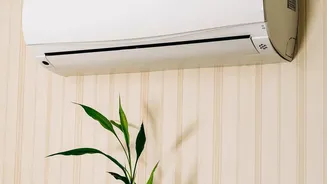
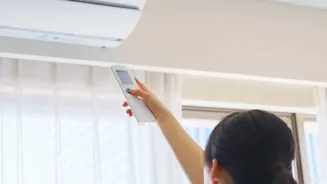
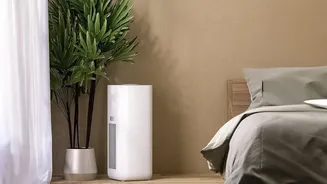
Many modern air conditioners come with a 'Dry Mode'. This function is ideal for when a room feels mildly sticky but doesn't need aggressive cooling. It runs the compressor at a low speed, passing air over the cool coils to remove some moisture without significantly dropping the temperature. However, for persistent dampness, musty smells, or visible mould, a dedicated dehumidifier is a far more effective solution. A dehumidifier's sole purpose is to extract excess moisture from the air, helping to maintain an ideal humidity level of around 40-50%. It's the better choice for high-humidity zones, poorly ventilated rooms, or when dealing with issues like clothes drying slowly indoors.
Beyond Ventilation: Proactive Dampness Control
Ventilation is only one part of the solution. Be proactive in fighting dampness throughout your home. Avoid drying wet clothes indoors, as the evaporating water adds a significant amount of moisture to the air. If you must, place them in a well-ventilated room with a fan or dehumidifier running. Check for and seal any cracks in walls or around window frames to prevent water seepage. You can also use natural moisture absorbers like bowls of rock salt or activated charcoal in enclosed spaces like cupboards and wardrobes to protect your belongings from mustiness and mould.