


The Science of Monsoon Cravings
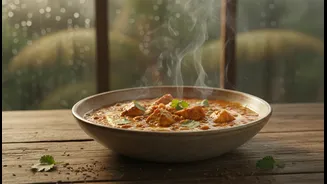
There’s a reason the first drops of rain have us dreaming of pakoras and chai. The connection between the monsoon and comfort food is deeply embedded in Indian culture. Cooler temperatures and reduced sunlight can affect serotonin levels, our body's natural
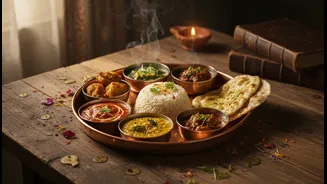
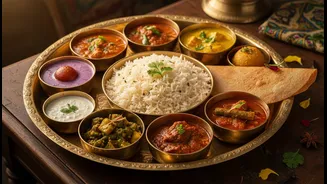
mood stabiliser, pushing us toward warm, spicy, and often fried foods for a quick sense of comfort. This biological urge is amplified by nostalgia—memories of huddling indoors with family, sharing a plate of hot bhajiyas as the rain beats down. From the classic samosa and vada pav to regional specialities like Bengal's khichuri or Rajasthan's spicy mirchi badas, every corner of the country has its own beloved rainy-day ritual. It’s a sensory experience that’s as much about emotion as it is about flavour.
The Rise of the Agile Kitchen
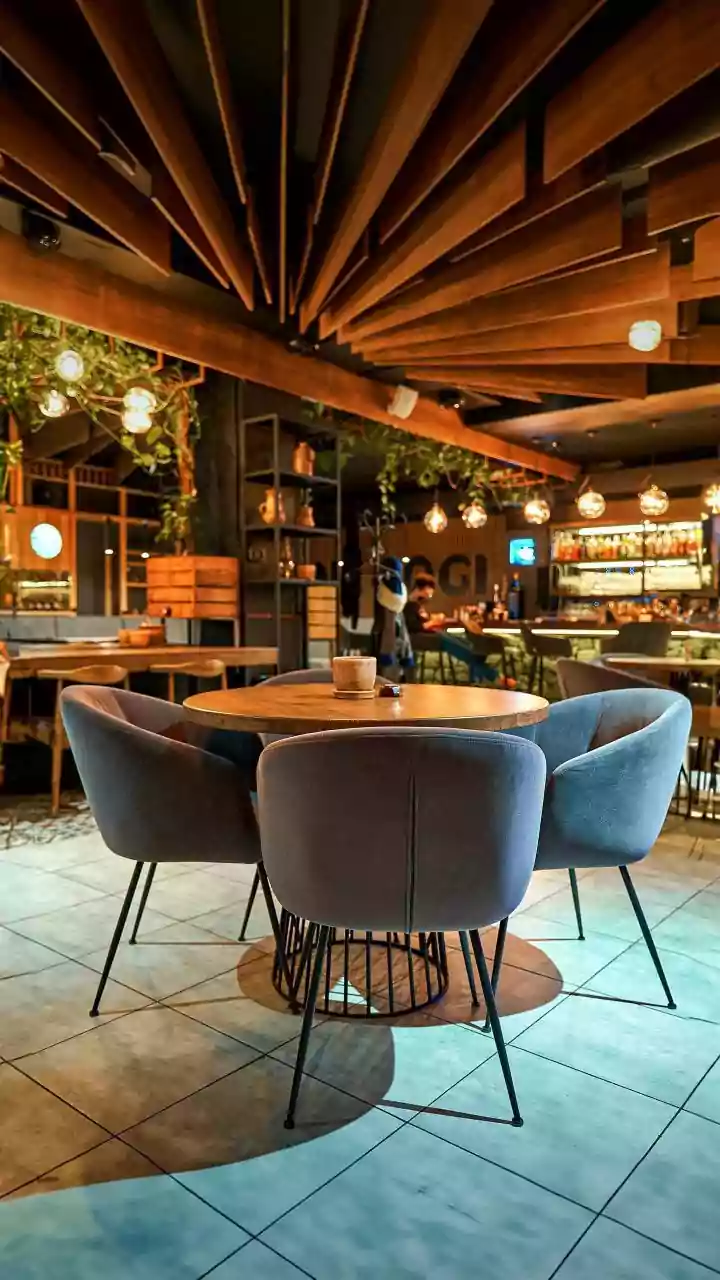
Enter the pop-up restaurant, a format perfectly suited to these seasonal demands. Unlike traditional restaurants with fixed menus and high overheads, pop-ups are temporary, agile, and experience-driven. They allow chefs to launch short-term, thematic menus without the risk of a full-scale establishment. This flexibility is key to chasing a feeling as fleeting as a monsoon craving. Chefs and restaurateurs see pop-ups as culinary laboratories, a way to test innovative ideas, reach new audiences, and generate buzz. For diners, especially digitally-savvy millennials and Gen Z, these limited-time events offer exclusivity and a unique experience, tapping into a desire for novelty and curated dining. They are not just meals; they are cultural events shared widely on social media.
On the Menu: Nostalgia with a Twist
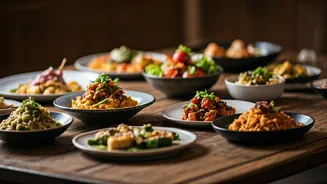
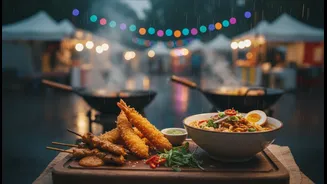
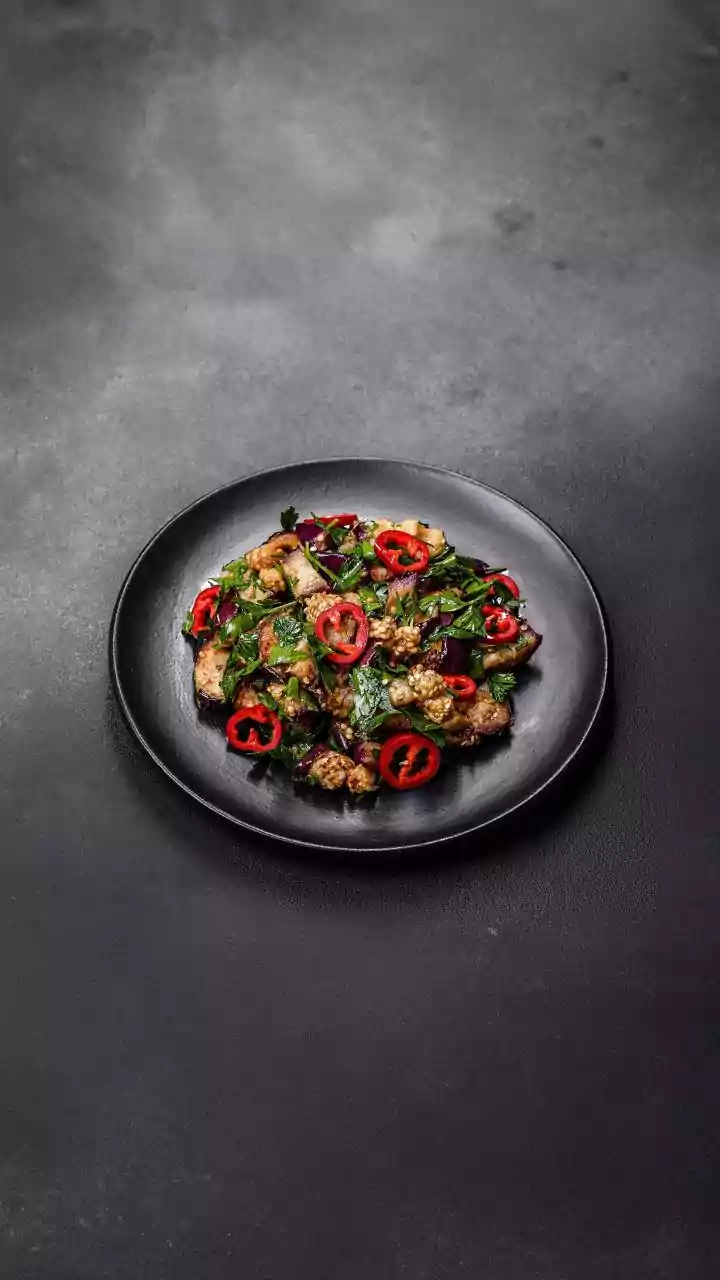
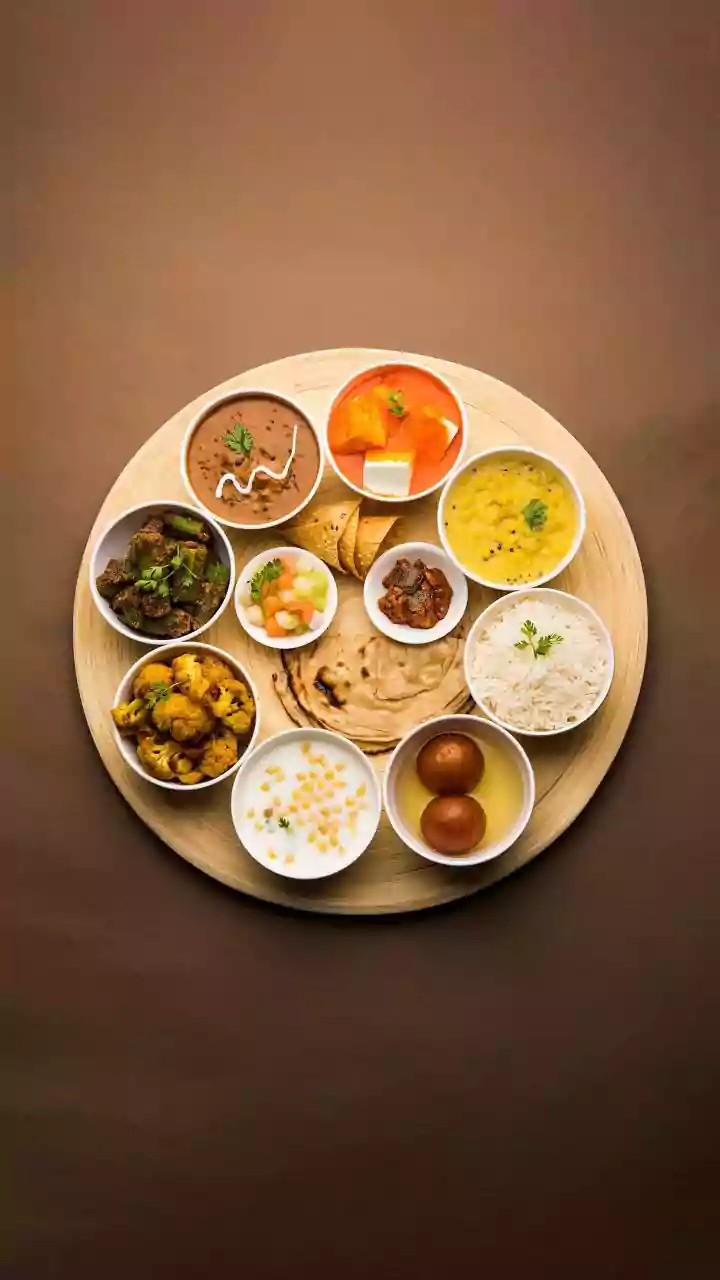
So, what are these monsoon pop-ups serving? The menus are a delightful mix of tradition and innovation. You’ll find all the classics: steaming hot pakora baskets, cheesy bun maska with cutting chai, and Mumbai's iconic vada pav. But chefs are also elevating these humble snacks. One Mumbai pop-up might offer a fritter basket with multiple chutneys, while another reimagines street-side chaat with gourmet ingredients. For example, Chef Amninder Sandhu’s pop-up at Kikli in Mumbai features a whole range of pakoras—chicken, paneer, and mirchi—alongside hearty Punjabi dishes. Others are going beyond fritters, offering entire tasting menus built around the monsoon, featuring foraged ingredients like wild mushrooms and fiddlehead ferns, and complex fermentation techniques to deepen flavours.
Beyond the Bhajiya
The trend extends far beyond just Indian street food. Some pop-ups are using the monsoon as a backdrop for global comfort food. One might find a Southeast Asian-inspired menu with warming bowls of Thukpa or spicy Lamb Rendang. Another might focus on Japanese-style hot pots, offering a different kind of rainy-day comfort. The goal is to capture the essence of the season—warmth, comfort, and indulgence—through diverse culinary lenses. Even beverages get a seasonal makeover, with menus featuring spiced hot toddies, masala-infused cocktails, and of course, endless varieties of hot, flavourful chai. It’s about creating a complete sensory experience that matches the weather outside.
A Taste of the Season
Ultimately, the rise of monsoon-themed pop-ups reflects a larger shift in India’s dining culture. It's a move towards more dynamic, experience-driven eating that celebrates seasonality and culinary creativity. These temporary kitchens are more than just a business model; they are a response to a collective cultural moment. They acknowledge the deep, emotional connection between food, weather, and memory. By offering both the familiar tastes of childhood and exciting new interpretations, these pop-ups provide a delicious way to embrace the rainy season. They give us a reason to venture out, connect with others, and find comfort in a shared plate of something special, turning a gloomy day into a culinary celebration.