




A Planetarium in Your Pocket
The single biggest game-changer for amateur astronomy is the smartphone. A host of powerful and intuitive apps can now turn your phone into a dynamic window to the universe. Apps like Star Walk 2, SkyView, and Stellarium Mobile use your phone's GPS and compass
to create a real-time map of the sky. Simply point your device at a bright star or planet, and the app will identify it instantly, showing you the constellation it belongs to, its history, and key facts. Many offer augmented reality (AR) overlays, which superimpose constellation lines and names directly onto your view of the night sky. Others, like Sky Map, offer a simple, no-frills interface perfect for answering the simple question, "What's that bright light?". Many of these apps are free or have highly capable free versions, making them the perfect first step for any aspiring stargazer.
Smarter, More Accessible Telescopes
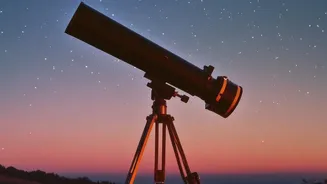
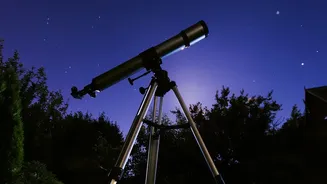
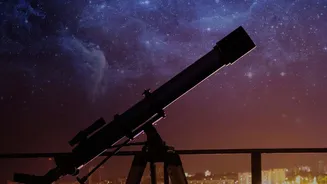
The image of a beginner struggling to align a complicated telescope is quickly becoming a thing of the past. Modern telescopes are designed with the user in mind. For those ready to move beyond naked-eye viewing, binoculars are an excellent and affordable starting point, revealing craters on the Moon and the moons of Jupiter. When you are ready for a dedicated telescope, new technologies have made them far less intimidating. Brands like Celestron have developed telescopes that work in tandem with your smartphone. Their StarSense Explorer series, for example, uses an app to analyze the sky and provide on-screen arrows that guide you directly to a chosen object, removing the frustration of manual searching. Other models, known as 'smart telescopes', like the ZWO Seestar S50, automate the entire process of finding and even photographing celestial objects with minimal user input.
A Universe of Online Knowledge
Beyond physical hardware, the internet provides a nearly infinite library of resources for learning about the cosmos. High-quality planetarium software like Stellarium is available as a free program for desktop computers, allowing you to simulate the night sky from any location on Earth. YouTube channels dedicated to astronomy offer tutorials, equipment reviews, and guided tours of celestial events. Websites like Sky & Telescope and Astronomy Magazine provide free articles, interactive star charts, and news on the latest discoveries. For those with specific questions or who want to share their progress, online communities are invaluable. Forums like Cloudy Nights host vibrant discussions where beginners can ask questions and get advice from seasoned amateur astronomers on everything from equipment to observing techniques.
Find Your Local Star Party
Astronomy doesn't have to be a solitary hobby. All across the country, local astronomy clubs and associations host regular public events, often called "star parties." These gatherings are incredibly welcoming to newcomers. Members often bring a variety of telescopes and are more than happy to share their views and knowledge with anyone who is curious. Organizations like the Astronomical League serve as a hub for hundreds of these local groups, making it easy to find one near you. Attending a star party is a fantastic way to look through different types of telescopes, learn how to spot faint objects, and connect with a community of people who share your passion for the night sky. Many museums and observatories also host public viewing nights and educational events.