





What Is Nilgiri Tea Anyway?
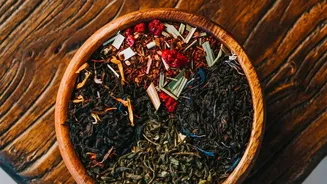
While Indian tea might bring to mind the robust, malty character of Assam or the delicate, musky notes of Darjeeling, Nilgiri has long been the subcontinent’s versatile hidden gem. Grown in the Nilgiri Hills, or “Blue Mountains,” of Southern India, this
tea benefits from high altitudes and two distinct monsoon seasons, conditions that allow for year-round harvesting. The result is a tea that is exceptionally aromatic, with bright floral and citrus notes. Unlike its more famous counterparts, Nilgiri tea is known for being remarkably smooth and light-bodied, with a clean, crisp finish. This approachable flavor profile makes it a standout, offering a balanced cup that is neither overwhelmingly strong nor faintly weak.
The Perfect Cold Brew Connection
The secret to Nilgiri’s rising stardom lies in its chemical makeup, which makes it uniquely suited for cold brewing. The tea is naturally low in tannins, the compounds that can cause bitterness, especially when tea is chilled. While many black teas turn cloudy or astringent when iced, Nilgiri remains brilliantly clear and smooth. Cold brewing—the simple process of steeping tea leaves in cold water for several hours—gently coaxes out Nilgiri’s delicate flavors without extracting any harshness. This method enhances its inherent fruity sweetness, creating a sophisticated beverage that tastes complete on its own, a rare feat for an unsweetened black tea.
A Healthier, More Flavorful Sip
The movement toward low-sugar and no-sugar beverages is a driving force in today's wellness-conscious market. Consumers are increasingly looking for alternatives to sugary sodas, juices, and even some kombuchas that deliver on flavor without the added calories. Cold-brewed Nilgiri tea fits this demand perfectly. It’s a naturally zero-calorie drink that doesn’t feel like a compromise. Beyond being a low-sugar option, Nilgiri tea offers the inherent health benefits of black tea, including antioxidants like flavonoids and the amino acid L-theanine, which is known for promoting a sense of calm focus. This makes it an ideal afternoon pick-me-up that hydrates, refreshes, and provides a gentle energy lift without the jitters associated with coffee.
From Niche Find to Pantry Staple
While it may not have taken over every single pantry just yet, Nilgiri’s ascent is undeniable in urban centers and online communities. Artisanal cafes are featuring it as their premium iced tea, and it’s becoming a popular choice at farmers' markets for its clean taste and craft appeal. More importantly, home-brewing is where the trend is truly taking root. As consumers become more adventurous and quality-conscious, they are seeking out single-origin leaves like Nilgiri to elevate their daily routines. Its forgiving nature makes it an excellent gateway for those new to brewing loose-leaf tea, solidifying its place as a dependable and delicious staple.
How to Brew Your Own
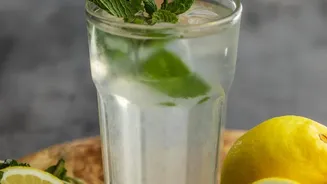
Making your own Nilgiri cold brew is remarkably simple and requires no special equipment. Start with a basic ratio of about 1 to 2 teaspoons of loose-leaf Nilgiri tea per 8 ounces of cold, filtered water. Combine the leaves and water in a jar or pitcher, give it a gentle stir, and let it steep in the refrigerator for 6 to 12 hours. There's no need to worry about over-steeping and bitterness. Once it has reached your desired strength, simply strain out the leaves and it’s ready to serve. Enjoy it plain over ice to appreciate its natural flavor, or add a slice of lemon or a sprig of mint for an extra layer of refreshment.