





The Gut: Your Body's Second Brain
When we talk about gut health, we're referring to the balance of trillions of microorganisms living in our digestive tract, collectively known as the gut microbiome. This inner ecosystem does more than just digest food; it influences everything from our immune
system and mood to our overall inflammation levels. A thriving, diverse microbiome is linked to better health, while an imbalanced one can contribute to a host of issues. The key to keeping this internal garden flourishing is providing the right fuel, and that's where specific plant-based foods shine.
The Power of Beans and Legumes
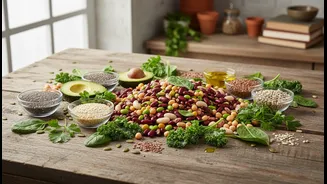
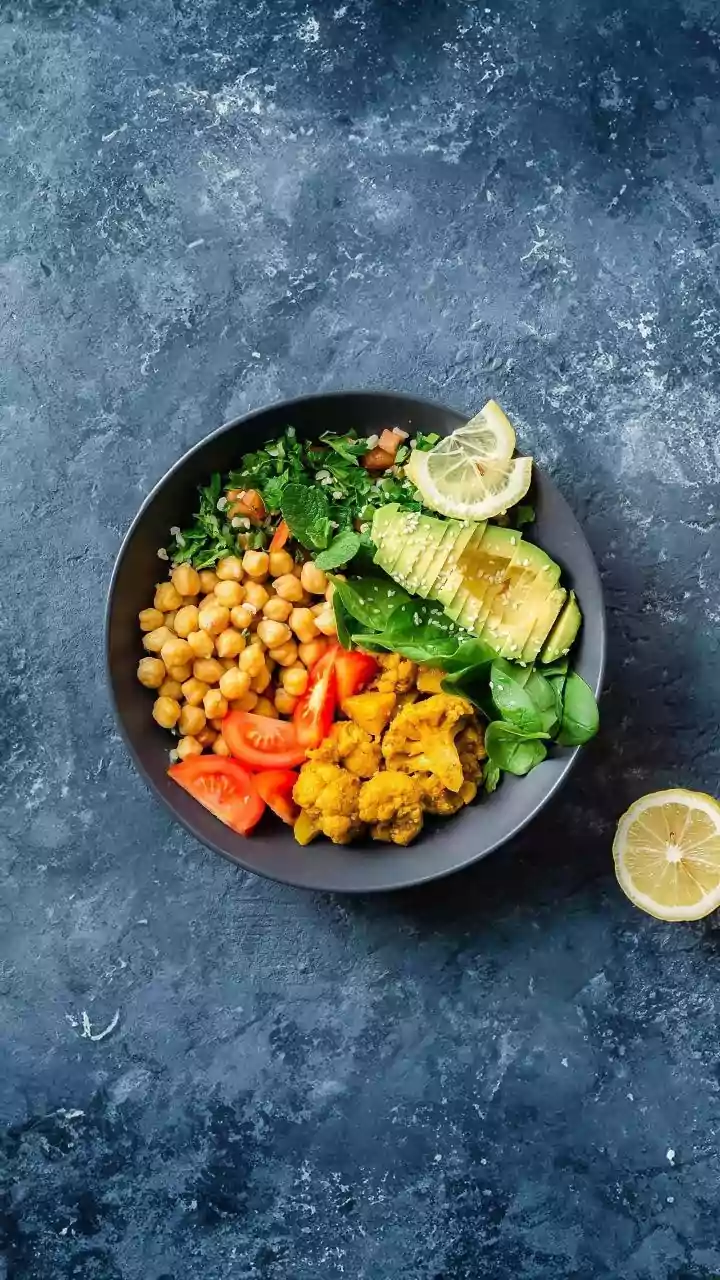
Beans and legumes, such as chickpeas, lentils, and kidney beans, are nutritional powerhouses for your gut. They are packed with prebiotic fibre, a type of dietary fibre that your body can't digest. Instead, this fibre travels to your large intestine where it becomes a feast for your beneficial gut bacteria. As the bacteria ferment these fibres, they produce compounds called short-chain fatty acids (SCFAs). These SCFAs are vital, serving as a primary energy source for the cells lining your colon, strengthening the gut barrier, and helping to reduce inflammation throughout the body. Including a variety of legumes in your diet is a cost-effective and easy way to increase your intake of fibre, plant-based protein, and essential minerals like iron and potassium.
Small Seeds, Big Gut Benefits
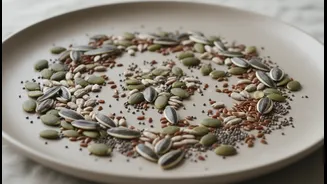
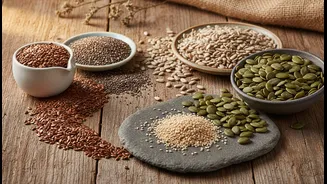
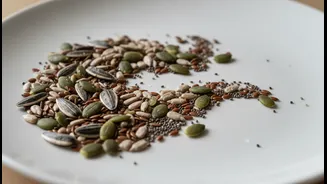
Don't underestimate the tiny but mighty seed. Flaxseeds, chia seeds, and pumpkin seeds are incredibly rich in both soluble and insoluble fibre. Soluble fibre dissolves in water to form a gel, which helps soften stool and can stabilize blood sugar levels. Insoluble fibre adds bulk, promoting regular bowel movements. Chia seeds, for example, can absorb up to 12 times their weight in liquid, forming a gel that hydrates and soothes the digestive tract. Beyond fibre, seeds are also a great source of omega-3 fatty acids and polyphenols. Omega-3s help manage inflammation, while polyphenols act as antioxidants and further fuel beneficial gut microbes, contributing to a healthy and balanced gut environment.
The Role of Seasonal Greens
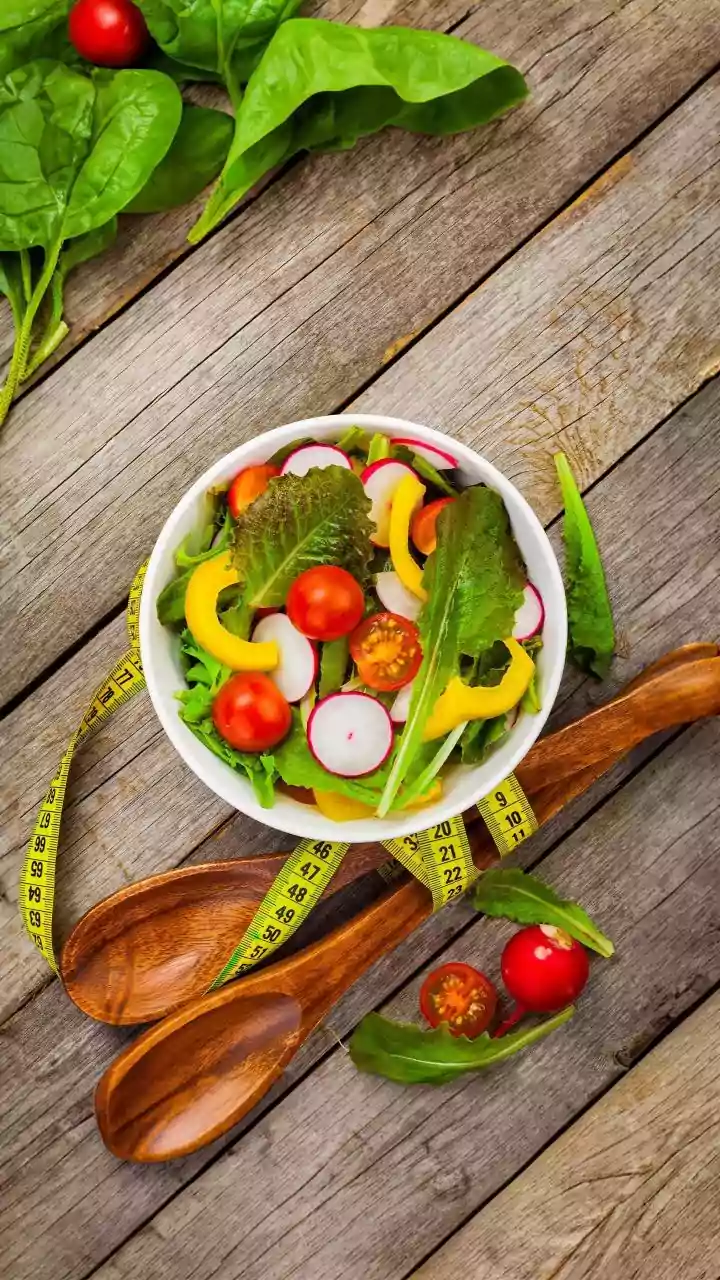
Eating leafy greens that are in season, like spinach, fenugreek (methi), and amaranth, offers a powerful boost to your gut health. Rotating your greens with the seasons naturally introduces a wider variety of fibres and nutrients into your diet, which is crucial for promoting microbial diversity. Different plants feed different types of beneficial bacteria, so variety is key. Leafy greens are also packed with vitamins, minerals, and unique plant sugars that selectively feed good gut bacteria, helping them thrive over less desirable strains. Lightly cooking greens like spinach can make their nutrients more accessible and easier to digest.
Bringing It All Together on Your Plate
The magic happens when you start combining these food groups. Think beyond eating them in isolation. A truly gut-friendly meal embraces variety and synergy. You could start your day with oatmeal topped with chia seeds and fruit. For lunch, a mixed bean salad with chopped greens and a sprinkle of pumpkin seeds offers a fantastic mix of fibre and nutrients. At dinner, try adding a handful of spinach to your dal or lentil soup, or stir-frying seasonal vegetables with chickpeas. If you're new to a high-fibre diet, it's best to start slowly. Gradually increase your intake of beans, seeds, and greens and be sure to drink plenty of water to help the fibre do its job effectively. Soaking dried beans overnight before cooking can also improve their digestibility.