





The Peril Behind the Postcard Views
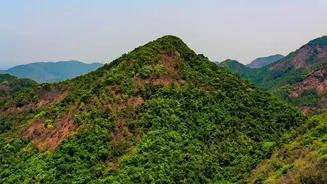
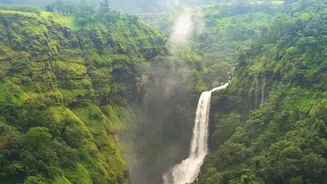
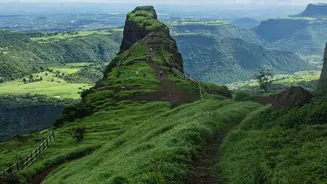
For years, monsoon trekking in the Sahyadris has been a beloved seasonal ritual. The allure is undeniable: rain-washed trails, vibrant green landscapes, and waterfalls in their full, roaring glory. However, this popular activity has a darker side, with
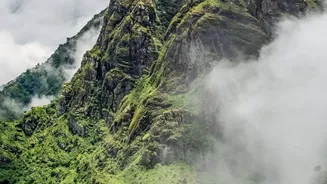
a history of tragic accidents. Heavy rains can make rock patches treacherous and slick, while dense fog can cause even experienced trekkers to lose their way. Flash floods in narrow gullies and overflowing streams pose a significant threat, turning scenic routes into dangerous traps within minutes. Several incidents in recent years, including drownings and fatal falls, have highlighted the urgent need for better safety protocols. These tragedies, often involving groups who were unprepared or lacked local knowledge, prompted state authorities to move from issuing simple advisories to enforcing strict, life-saving regulations.
A New Digital and Regulatory Framework
Responding to the rising number of incidents, state forest departments and district administrations across the Western Ghats have implemented a comprehensive new safety framework for the 2026 monsoon season. The headline change is the introduction of mandatory GPS tracking on many official routes. This is part of a broader overhaul that includes a host of other rules designed to create a safer trekking environment. Solo trekking is now widely prohibited, with minimum group sizes enforced. Many popular trails in states like Karnataka and Maharashtra now require trekkers to book permits online in advance, with strict daily limits on the number of people allowed. Furthermore, hiring a certified local guide is now compulsory on many routes, ensuring groups have expert leadership familiar with the terrain and its monsoon-specific dangers. These rules signal a major shift from reactive rescue operations to proactive safety management.
How the GPS System Works
The new GPS tracking system is designed to be a simple but effective digital safety net. On designated trails, trekking groups are required to perform a mandatory GPS check-in at the start of their hike. This registers their presence in the area with the monitoring authorities. The handheld GPS devices allow officials to have a real-time overview of where trekking groups are. In case of an emergency, such as a trekker getting injured or lost, the device’s SOS function can be activated to send a distress signal with precise location coordinates to rescue teams. This dramatically reduces search times and allows help to arrive much faster. Critically, trekkers must also check out at the end of their route. A failure to do so within the expected time frame automatically triggers a search protocol, ensuring that no group is left unaccounted for. Officials have noted that the cost of such a search may be billed to the trekking group, adding a layer of personal responsibility.
What Trekkers Need to Know for 2026
The days of spontaneous trekking trips to popular monsoon destinations are largely over. For 2026, planning is essential. Before heading out, trekkers must check the latest notifications from the local forest department or district collector, as many high-risk trails are completely banned during peak rainfall. For routes that are open, such as certain trails in Malshej Ghat or Kudremukh, access is now highly regulated. In Karnataka, for instance, permits for treks within the Aranya Vihara program must be booked online, and they often sell out within minutes for weekend slots. Trekkers must travel in groups and are required to be accompanied by a certified guide, with a typical ratio of one guide for every ten trekkers. Showing up without a permit or a guide will result in being denied entry at the trailhead.