



The Unexpected Hero of Home Decor
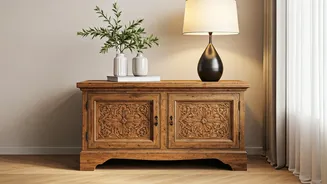
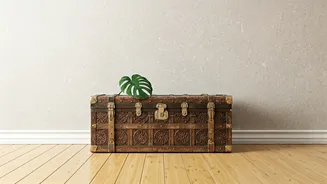
They appear as rustic coffee tables in chic living rooms, elegant storage solutions at the foot of a bed, or as character-filled console tables in urban apartment entryways. The vintage trunk — often called a 'sandook' or 'peti' — has officially transitioned
from the attic to the aesthetic forefront. Once relegated to storing winter quilts or family heirlooms, these sturdy boxes are now the heirlooms themselves, celebrated for their history and craftsmanship. Interior designers and home decor enthusiasts across India are championing this trend, showcasing how a single, well-chosen piece can anchor an entire room, infusing it with a sense of story and authenticity that mass-produced furniture simply cannot replicate. Its popularity on social media isn't just about looks; it’s a visual shorthand for a home that is curated, not just decorated.
A Bridge Between Past and Present
So, why this piece, and why now? The appeal of the vintage trunk is deeply rooted in nostalgia. For many, it evokes memories of a grandparent's home, a comforting symbol of family, heritage, and a slower pace of life. In our fast-paced, digital world, having a tangible link to the past offers a unique sense of grounding. These trunks are not sterile objects; their scuffs, scratches, and intricate metalwork tell stories of journeys taken and lives lived. By placing a lovingly restored sandook in a modern setting, homeowners are creating a powerful dialogue between generations. It’s a design choice that says, ‘I appreciate where I come from, and I’m building my future upon that foundation.’ This blend of old-world charm and new-world minimalism defines the modern Indian aesthetic, which increasingly seeks to be globally relevant while remaining culturally rooted.
The Allure of Conscious Consumption
The trend also aligns perfectly with a growing global consciousness around sustainability. Choosing an upcycled vintage trunk is an inherently eco-friendly decision. It diverts a beautiful, functional object from the landfill and reduces the demand for new, factory-made goods. This act of 'adopting' a piece of furniture resonates with a generation keen on making more thoughtful consumption choices. Furthermore, the revival of these trunks supports a vibrant ecosystem of local artisans and restorers. These skilled craftspeople, often working in small workshops, painstakingly bring these pieces back to life — sanding wood, polishing brass, and ensuring the trunk is not just beautiful but durable for modern use. Buying a restored trunk is not just a purchase; it's an investment in heritage crafts and sustainable living.
Finding and Styling Your Own Piece of History
Inspired to join the trend? The hunt is part of the fun. You can find these treasures in antique markets, second-hand furniture shops in cities like Jodhpur and Kochi, or through specialised online stores that source and restore vintage pieces. When choosing one, look beyond surface imperfections. Check for the quality of the wood (teak and sheesham are common and durable) and the integrity of the structure. Interesting hardware, like ornate latches or iron straps, adds to the character. Don’t be afraid to choose a piece that shows its age. Styling is simpler than you might think. In a contemporary room, a rustic trunk provides a much-needed warm, organic element. Use it as a coffee table and soften its hard lines with a tray of candles and a few books. As a storage bench, add a custom cushion on top for seating. The key is to let it be the focal point, allowing its history to shine without cluttering the space around it.