





Transportation in Turmoil
Getting from point A to point B becomes the biggest challenge during the monsoon. Heavy rainfall often leads to poor visibility, waterlogging on runways, and strong crosswinds, causing flight delays, diversions, and cancellations. Airlines frequently
issue advisories during periods of intense rain, urging passengers to check their flight status before heading to the airport. Rail networks are equally vulnerable. Waterlogging on tracks can lead to the cancellation of dozens of train services, as seen in Mumbai and other regions, while landslides in ghat sections can sever crucial routes for days. For those travelling by road, the risks are just as pronounced. National highways, especially in hilly states like Himachal Pradesh and Uttarakhand, are prone to blockades from landslides and flash floods, potentially leaving travellers stranded. What might be a clear road in the morning can become impassable by evening.
Health and Safety Hazards
The monsoon is a prime breeding season for mosquitoes and pathogens, increasing the risk of various illnesses. Mosquito-borne diseases like dengue and malaria see a significant spike, as stagnant water provides a perfect breeding ground. Water contamination also becomes a major concern, heightening the risk of waterborne ailments such as typhoid, cholera, and gastroenteritis. Walking through flooded streets can expose you to leptospirosis, a bacterial infection that can be mistaken for a simple viral fever in its early stages. Beyond infections, the damp, humid weather can also lead to fungal infections and other skin issues. Even minor cuts and wounds need extra care to prevent infections in the humid environment.
Itineraries Washed Out
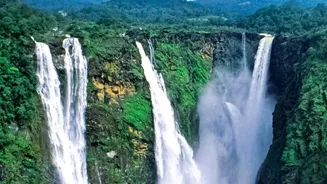
The very attractions that draw travellers to monsoon destinations are often the first to become inaccessible. Heavy rains can make trekking trails slippery and dangerous, leading to their closure. Popular waterfalls may look spectacular but can be hazardous to approach due to the risk of flash floods and strong currents. Wildlife safaris and national parks may shut down certain zones or close entirely due to impassable roads and concerns for safety. Beach activities are also heavily curtailed, with rough seas making swimming and water sports unsafe. This unpredictability means that a carefully planned itinerary can fall apart at a moment's notice, forcing travellers to abandon planned excursions and remain indoors.
Navigating the Challenges
Despite the risks, a monsoon trip can be immensely rewarding with careful planning. The key is to remain flexible and prepared. Opt for destinations in regions less prone to extreme weather events. For instance, some parts of the Western Ghats are more accessible than the Himalayas during peak monsoon. Always check the weather forecast from reliable sources like the India Meteorological Department (IMD) before and during your trip. Build buffer days into your itinerary to account for potential delays. When booking flights and hotels, choose flexible or refundable options where possible. Travel insurance that covers trip cancellations and delays due to weather is a wise investment. Pack smart: include waterproof bags, quick-drying clothes, sturdy non-slip footwear, an umbrella, insect repellent, and a basic first-aid kit with medications for common ailments.