





The Rise of the Experience Economy
In recent years, a significant shift has occurred in travel, driven by a desire for more meaningful and immersive journeys. Travellers, particularly younger generations, are prioritising unique experiences over simply ticking off landmarks. This has fueled
the rise of experiential travel in India, where the focus is on engaging with local culture, history, and traditions. Instead of just a place to sleep, a hotel can be a gateway to this immersion. Restored heritage properties—be it centuries-old forts, palaces, or havelis—have become central to this trend. These are not just accommodations; they are living museums, offering a chance to inhabit a piece of history. The appeal lies in their authenticity and the narrative they hold within their walls.
Indian Heritage as the Main Attraction
India's rich history provides a fertile ground for this trend, with numerous erstwhile royal palaces and forts now meticulously restored into hotels. Consider the Taj Falaknuma Palace in Hyderabad. Perched 2,000 feet above the city, this former residence of the Nizam was painstakingly restored over a decade. Guests arrive in a horse-drawn carriage and are showered with petals, instantly transported to a bygone era of royal grandeur. Similarly, properties like RAAS Jodhpur, a boutique hotel built within the walls of the old city, blend a 300-year-old haveli with contemporary design. The hotel offers stunning, uninterrupted views of the Mehrangarh Fort, making the stay itself a primary part of the Jodhpur experience. These hotels succeed because the restoration and the experience they curate are the destination.
Why Location is Still King
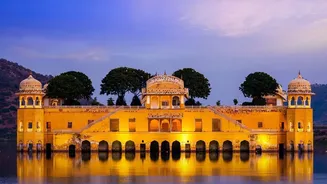
Yet, for all the allure of a beautifully restored property, the age-old real estate mantra of 'location, location, location' holds unshakably true. A hotel, no matter how magnificent, does not exist in a vacuum. Its surroundings are critical to its success and the guest experience. The most successful heritage hotels are those where the property and its location share a symbiotic relationship. Taj Lake Palace in Udaipur isn't just a beautiful marble palace; it's a beautiful marble palace that appears to float on the serene waters of Lake Pichola, offering magical views of the Aravallis. BrijRama Palace in Varanasi offers luxury, but its unique selling point is its position directly on the banks of the Ganges, allowing guests to witness ancient rituals from their rooms. This synergy is what elevates a great hotel to an unforgettable one.
The Peril of a Poor Setting
Conversely, a stunning restoration can be severely hampered by a poor location. Imagine a beautifully revived haveli situated in an inaccessible area with no supporting infrastructure, or in a neighbourhood that feels unsafe. The convenience of being close to key attractions, transport hubs, and lively areas cannot be overstated. It saves time, reduces travel stress, and allows for spontaneous exploration. A hotel located far from the heart of a city can feel isolating, turning what should be a relaxing holiday into a logistical challenge. Even the most luxurious amenities feel less appealing when you have to spend hours commuting just to see the sights. The destination hotel concept thrives not by ignoring its location, but by integrating with it and enhancing it.
The Perfect Marriage of Place and Property
The sweet spot, therefore, is where a hotel's unique character and its location work in perfect harmony. Neemrana Fort-Palace on the Delhi-Jaipur highway is a prime example. Once a 15th-century ruin, it was transformed into a 'non-hotel' hotel spread across 14 levels. Its location in the Aravalli hills provides a dramatic backdrop and a sense of escape, while its proximity to Delhi makes it an accessible weekend getaway. RAAS Jodhpur succeeds not just because of its sensitive blend of old and new architecture, but because it is located right at the base of the Mehrangarh Fort, embedding guests directly into the city's historic core. The architecture deliberately frames views of the fort, creating a constant dialogue between the hotel and its iconic setting. This is the new benchmark for luxury travel: a place where the story of the hotel and the story of the destination become one.