


A Festival of Flavours, Reimagined
Janmashtami, celebrating the birth of Lord Krishna, is a festival steeped in devotion and flavour. Central to the celebration is the offering of 'bhog', especially milk and butter-based sweets, said to be Krishna's favourites. For generations, households
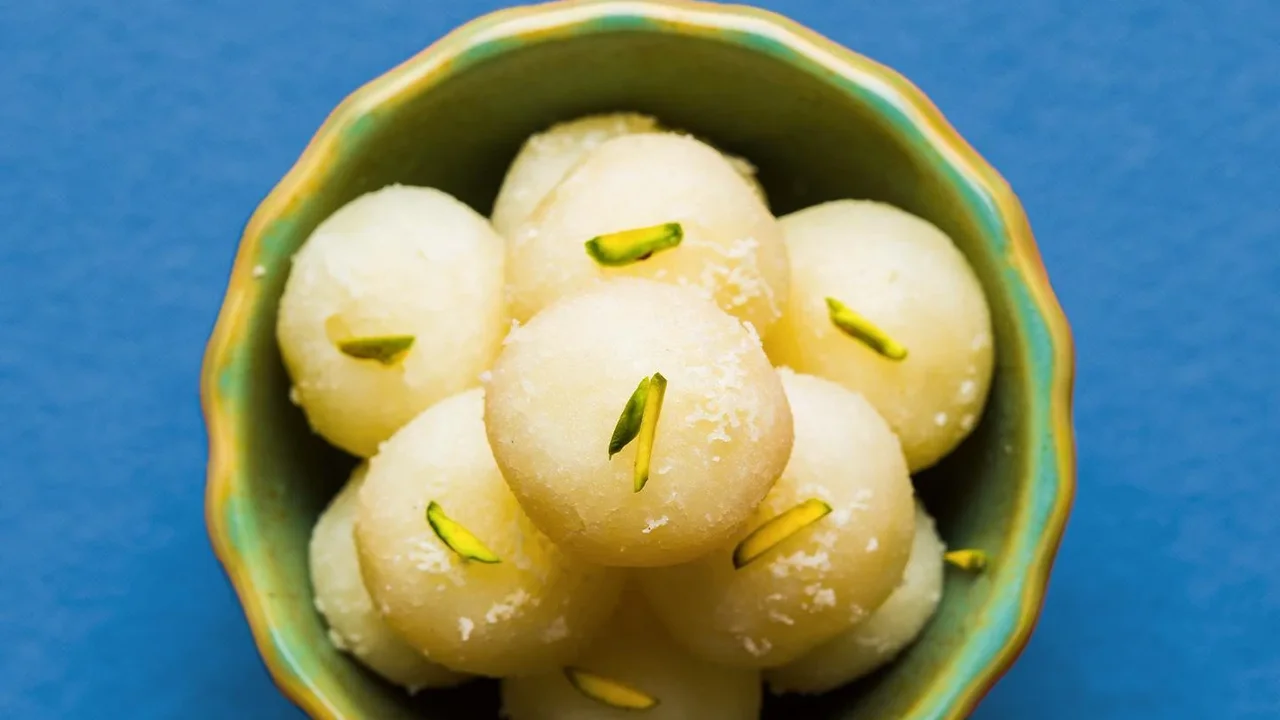
have prepared rich delicacies like panjiri, makhan misri, peda, and kheer. However, a quiet revolution is simmering in kitchens across the country. A health-conscious younger generation, from home cooks to culinary entrepreneurs, is reinterpreting these timeless recipes. They aren't abandoning tradition but adapting it, creating sweets that are both indulgent and mindful of modern dietary concerns. This movement is about making festive foods that everyone, including those with health conditions like diabetes, can enjoy without guilt.
The Sweet Swap: Jaggery, Dates, and More
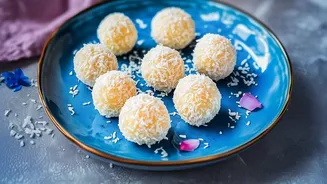
The primary change in this sweet transformation is the move away from refined white sugar. Natural sweeteners are taking centre stage. Jaggery (gur) is a popular choice, not just for its earthy sweetness but also for the minerals it contains. Date paste, figs, and even honey are being used to sweeten everything from laddoos to barfis, providing natural sugars along with fibre. The result is a more complex flavour profile that allows the primary ingredients—like milk, coconut, and nuts—to shine. For instance, a classic coconut laddoo might be remade using freshly grated coconut and a touch of jaggery syrup instead of heaps of sugar, creating a lighter yet satisfying treat. Similarly, the traditional panjiri prasad is being prepared with whole wheat flour roasted in ghee and sweetened with powdered jaggery or dates.
Dairy Delights Get a Healthy Makeover
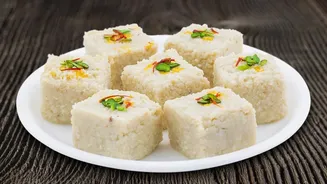
Since dairy is the soul of Janmashtami sweets, the innovation here is particularly significant. Lord Krishna's love for milk, curd, and butter is legendary, and these form the base of most offerings. The new approach focuses on quality and technique. For example, shrikhand, a creamy dessert of hung curd, is being made sugar-free by using sweeteners like stevia or simply relying on the sweetness of a mango puree infusion. Phirni and kheer, the quintessential Indian rice puddings, are being reimagined with low-fat milk, additions like nutrient-dense makhana (fox nuts), and sweetened with fruit purees or natural substitutes. Even kalakand, a rich milk cake, is finding a healthier form using ricotta cheese and natural sweeteners, reducing the fat and sugar content without sacrificing its fudge-like texture.
A Collective Spirit of Innovation
While the headline mentions "youth collectives," this trend is less about formal organizations and more about a shared cultural movement. It’s unfolding in home kitchens where young adults experiment for their families, on social media platforms where food bloggers share their modern recipes, and in the kitchens of new-age mithai shops led by young chefs. Brands like Bombay Sweet Shop and Khoya have been instrumental in showing that traditional mithai can be elevated with modern techniques and high-quality ingredients, often reducing sugar to highlight natural flavours. This collective energy, amplified online, encourages more people to try these healthier alternatives, creating a community of innovators who are passionate about preserving their culinary heritage in a sustainable way. The goal, as some entrepreneurs put it, is to make people crave a modern mithai over a cupcake.
Tradition in Motion
This evolution of Janmashtami sweets is more than just a food trend; it's a beautiful example of how traditions stay alive. It shows a generation that deeply respects its roots but is not afraid to adapt practices to fit contemporary life. By making festive foods more inclusive and health-conscious, these young innovators are ensuring that the sweet joys of Janmashtami can be passed down and shared more widely than ever before. It's a testament to the idea that culture is not a static relic but a living, breathing entity that grows with its people. The fusion of tradition and wellness ensures that these cherished recipes will continue to be a source of joy and connection for generations to come.