






Understanding Your Waterproof Toolkit
Waterproof liners are your first and best line of defense against moisture. Unlike a backpack rain cover, which only protects the exterior of your pack, liners work from the inside to create a reliable waterproof barrier around your most critical gear.
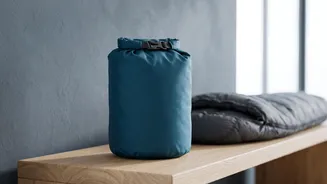
There are two primary types to consider: large pack liners that protect the entire contents of your backpack at once, and smaller, individual dry bags for organization and double protection. A pack liner is a single, large waterproof sack that you place inside your empty backpack. You then pack your gear, like your sleeping bag and clothes, inside this liner. Dry bags, on the other hand, are smaller sacks, often with a roll-top closure, used to compartmentalize items. Many experienced hikers use a combination: a main pack liner for bulky items and one or two small dry bags for electronics or extra layers.
Choosing the Right Liner for the Job
When selecting a liner, material and size are key. Liners are commonly made from polyurethane (PU) coated nylon, which is durable and highly water-resistant. More premium options include Dyneema Composite Fabric (formerly Cuben Fiber), which is exceptionally lightweight and strong. For a budget-friendly and surprisingly effective option, many campers swear by heavy-duty contractor or compactor trash bags. These are thicker and more puncture-resistant than standard kitchen bags. For your sleeping bag, choose a dedicated dry sack or a pack liner large enough to hold it along with other essentials. A roll-top closure is generally more secure and waterproof than a simple drawstring, as it creates a tighter seal when properly closed.
The Best Way to Protect Your Sleeping Bag
Your sleeping bag is arguably the most important piece of gear to keep dry. A wet bag, especially one with down insulation, loses its ability to keep you warm, which can be dangerous in cold conditions. The most effective method is to use a liner inside your backpack. Start by placing the empty liner into your main backpack compartment. Then, stuff your sleeping bag directly into the bottom of the liner. Packing it loose without its original stuff sack can help it fill all the nooks and crannies of your pack, saving space. After your sleeping bag is in, add other gear you need to keep dry, such as spare clothes and your tent body. Finally, twist or roll the top of the liner down tightly to seal out any moisture before closing your backpack.
Keeping the Inside of Your Tent Dry
While most people think of a ground tarp or 'footprint' under the tent, an internal liner can also play a crucial role. Condensation is a common issue, where moisture builds up on the inside walls of the tent overnight. If your sleeping bag or gear touches the walls, it can become damp. You can use a lightweight, waterproof liner on the floor inside your tent to provide an extra barrier against ground moisture. Additionally, ensuring your tent's seams are properly sealed is critical. Over time, factory seam tape can degrade. Applying a seam sealer to the underside of the rainfly and the floor seams can prevent leaks before they start.
Common Mistakes and Pro Tips
Simply owning a liner isn't enough; using it correctly is what matters. A common mistake is not sealing the liner properly. If using a roll-top bag, ensure you roll it down at least three times before buckling it. For a plastic bag liner, twist the top, fold it over, and tuck it securely. Another pitfall is placing a wet tent or rainfly inside the main pack liner with your dry gear. Always store wet items in an external pocket or a separate, designated dry bag to prevent cross-contamination. Finally, remember that even a lined backpack is not fully submersible. These systems are designed to protect against rain and ambient moisture, not being dropped in a lake.