






The Underrated Power of Fibre
To understand the difference between fruit and juice, we first need to talk about fibre. Dietary fibre is a type of carbohydrate the body can't digest. Instead of breaking down into sugar, it passes through our system largely intact. There are two types,
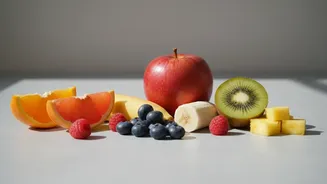
soluble and insoluble, and fruits contain both. Soluble fibre dissolves in water to form a gel-like substance in your gut. This gel slows down digestion, which is crucial for blood sugar control. Insoluble fibre adds bulk and helps food move through your digestive system smoothly. This combination is what makes eating a whole fruit a complex metabolic event.
What Juicing Leaves Behind
The process of making cold-pressed juice involves hydraulically pressing fruits and vegetables to extract the liquid. While this preserves many vitamins and minerals, it separates the liquid from the solid parts of the fruit—the pulp and skin. This is where most of the dietary fibre, particularly the insoluble kind, is found. What remains is a concentrated liquid containing the fruit's natural sugars (fructose), vitamins, and some soluble fibre. For example, a whole orange contains around 3 grams of fibre, while its juice has close to none. This removal of fibre fundamentally changes how your body processes the fruit.
The Blood Sugar Rollercoaster
When you drink fruit juice, your body is hit with a concentrated dose of sugar without the fibrous barrier that would normally accompany it in whole fruit. Because liquids are absorbed much faster than solids, this sugar enters your bloodstream rapidly. This causes a quick spike in blood glucose levels, prompting your pancreas to release insulin to manage the sugar. This is why the glycemic index (a measure of how quickly a food raises blood sugar) of orange juice is around 66, while a whole orange is only about 40. This rapid rise is often followed by a crash, which can leave you feeling tired, irritable, and hungry again soon after.
The Science of Feeling Full
Satiety, or the feeling of fullness, is another area where whole fruits have a major advantage. The fibre in whole fruit slows down stomach emptying, making you feel full for longer. The physical act of chewing also plays a role, sending signals to your brain that you're consuming a substantial meal. Studies have shown that when people consume whole apples before a meal, they eat significantly fewer calories compared to those who have applesauce or apple juice. Juice, being a liquid with little to no fibre, doesn't trigger these same satiety signals. You can easily drink the juice of four oranges in a minute, but eating four whole oranges in one sitting is a different challenge entirely.
Making Smart Choices
This doesn't mean you must banish all juice from your diet. Cold-pressed juices can be a convenient way to get a quick dose of vitamins and can be part of a healthy lifestyle if consumed wisely. However, they shouldn't be seen as a replacement for whole fruits. Think of juice as a supplement or an occasional treat rather than a dietary staple. If you do opt for juice, try to choose one with no added sugar and consider it a small part of a balanced meal that includes fibre, protein, and healthy fats to help slow down sugar absorption. The overall consensus among nutrition experts is clear: for better blood sugar control and satiety, always choose the whole fruit over the juice.