






The Relentless Threat of Erosion
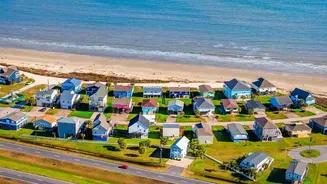
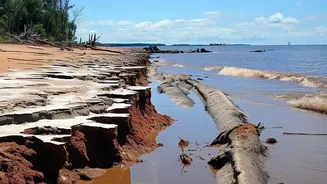
Villages are vanishing and livelihoods are washing away along India's eastern coast. A potent combination of frequent, intense cyclones churning in the Bay of Bengal, rising sea levels, and human activities like the construction of dams and ports has
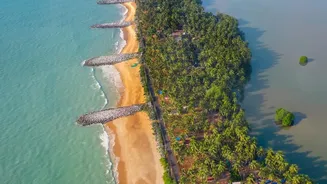
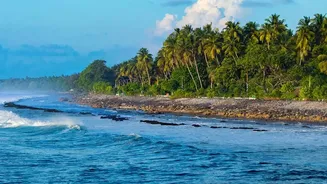
dramatically accelerated coastal erosion. States like Odisha, Andhra Pradesh, and Tamil Nadu have witnessed the sea advance relentlessly, with some reports indicating that the sea has moved inland by as much as 2.5 kilometres in certain areas, forcing entire villages to relocate. This isn't a distant, abstract problem; it's a lived reality where ancestral homes, agricultural lands, and vital infrastructure are under constant threat from the encroaching waters. According to the National Centre for Coastal Research, a significant portion of this coastline is vulnerable, making the search for effective, long-term solutions more urgent than ever.
Nature's Frontline Defenders
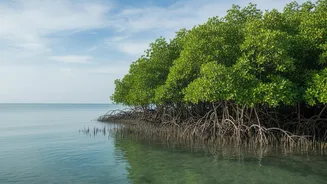
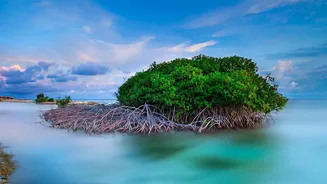
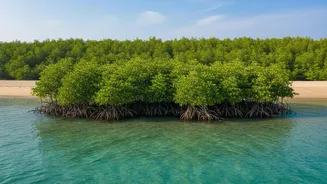
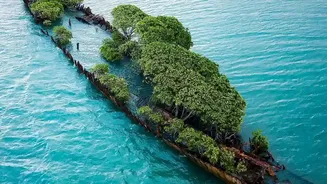
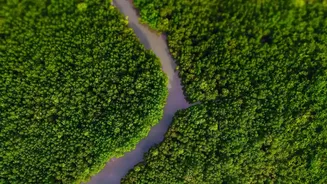
In the face of this crisis, coastal communities are championing a formidable, living barrier: the mangrove forest. Often called 'bio-shields', mangroves are unique trees and shrubs that thrive in salty, coastal waters. Their power lies in their dense, intricate root systems that anchor them firmly in the soil. This complex web of roots acts like a natural seawall, effectively breaking the force of incoming waves and reducing the energy of storm surges. Unlike concrete barriers, which can be expensive and sometimes worsen erosion in nearby areas, mangroves work with nature to stabilize the shoreline, trap sediment, and prevent the land from being washed out to sea. Studies have shown that areas protected by wide mangrove belts suffer significantly less damage and fewer fatalities during super cyclones.
A Community-Led Revival
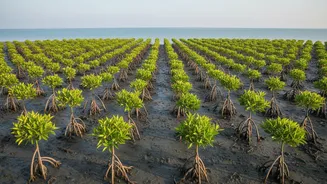
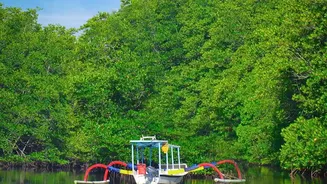
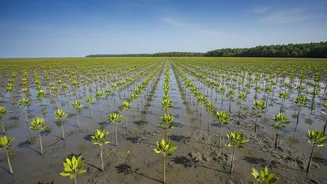
This movement is not being driven from the top down, but from the ground up. All along the eastern coast, local communities, often with the support of NGOs and government bodies, are leading the charge. In states like Odisha and Andhra Pradesh, villagers, particularly women, are establishing nurseries, planting saplings, and managing the restored forests. Projects like the Enhancing Climate Resilience of India’s Coastal Communities (ECRICC), supported by the UNDP, empower locals by combining scientific knowledge with traditional wisdom. These initiatives are proving successful, with hundreds of hectares of degraded coastal land and mudflats being brought back to life, providing a renewed sense of hope and security.
More Than Just a Wall of Trees
The benefits of mangrove restoration extend far beyond just coastal protection. These revitalized forests are biodiversity hotspots, acting as crucial nursery and breeding grounds for a wide variety of fish, crabs, and shrimp. This directly supports the livelihoods of local fishing communities, leading to better catches and improved economic stability. Furthermore, mangroves are champions of climate action. They are incredibly effective at carbon sequestration, capturing and storing vast amounts of carbon dioxide from the atmosphere, often more per hectare than terrestrial rainforests. By restoring these ecosystems, communities are not only protecting their present but are also investing in a healthier, more resilient global future.
The Path to a Greener Coastline
While the success of these community-led initiatives is inspiring, the work is far from over. Challenges remain, including ensuring high sapling survival rates, securing long-term funding, and selecting the right species for the right locations to avoid project failures. Success often depends on strong partnerships between communities, scientists, and government agencies to ensure that restoration efforts are scientifically sound and sustainable. Government initiatives like the Mangrove Initiative for Shoreline Habitats & Tangible Incomes (MISHTI) signal a growing recognition of the importance of these ecosystems. Continued investment and empowerment of local communities will be critical to scaling up these efforts and securing the entire eastern seaboard.