





The Allure of the Monsoon
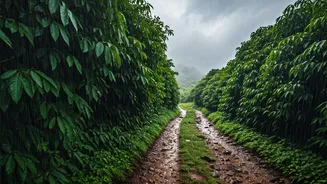
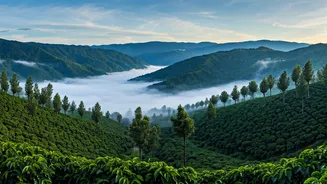
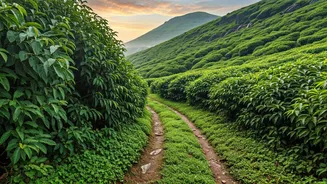
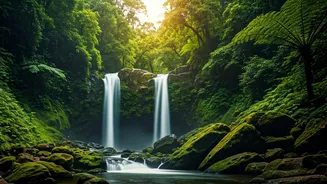
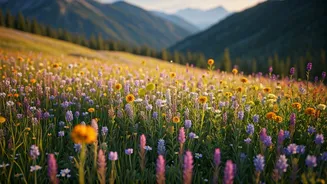
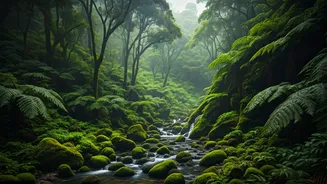
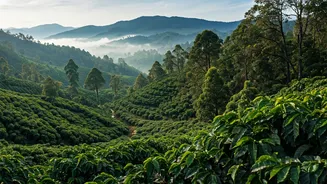
The monsoon transforms the Western Ghats into a lush, ethereal paradise. Waterfalls cascade down mountainsides, forests turn a vibrant green, and the air is thick with the scent of wet earth. This is the cinematic dream: clouds clinging to hills, the roar
of swollen rivers, and a landscape pulsating with life. It’s a photographer’s fantasy and a nature lover’s haven. However, this beauty comes with significant risks. The same rains that create this spectacle can lead to treacherous conditions. Heavy downpours often result in slippery trails, poor visibility, and the risk of flash floods and landslides. Many trekking routes and access to certain waterfalls may be closed by authorities for safety reasons during intense spells. What looks serene from a distance can be a powerful and unpredictable force up close.
A Trekker's Paradise (and Test)
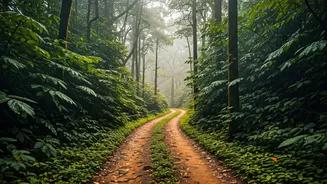
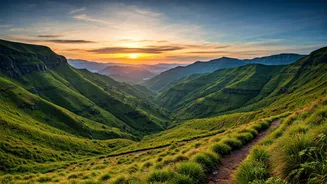
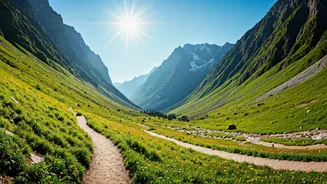
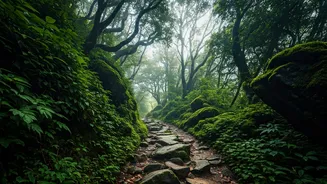
Often overshadowed by the Himalayas, the trails of the Western Ghats offer their own unique and formidable challenges. Treks here take you through dense shola forests, rolling grasslands, and past rich biodiversity, including endemic species of plants and animals. However, it's a mistake to underestimate their difficulty. Many treks in the Sahyadris involve steep, rugged ascents that can test even experienced hikers. The terrain is often uneven and rough, demanding good quality footwear with excellent grip. During the monsoon, these trails become muddy and slick, increasing the difficulty and the risk of a fall. Unlike some well-trodden Himalayan routes, facilities can be sparse, and trekkers need to be self-sufficient. Hiring a local guide is often recommended, as they possess invaluable knowledge of the paths, weather patterns, and potential hazards like wildlife encounters.
Your Newest Travel Companions: Leeches
Speaking of monsoon trekking, no discussion of the Western Ghats is complete without mentioning leeches. In the wet season, these tiny bloodsuckers are a ubiquitous presence in the forests and on the trails. For the unprepared, discovering several leeches attached to your legs can be a shocking and unpleasant experience. While their bites are not typically painful or dangerous—they release an anaesthetic—they do secrete an anticoagulant that causes the wound to bleed for a while after the leech has dropped off. The real challenge is psychological. Learning to deal with them is a rite of passage for monsoon trekkers in the region. Protective measures like leech socks, tucking trousers into socks, and wearing ankle-high shoes can help minimise contact.
The Myth of Total Disconnection
The idea of escaping into nature and leaving the digital world behind is a major draw for many visitors. The Western Ghats certainly offer vast areas of pristine wilderness where you can find peace and solitude. However, this isolation also means that mobile connectivity is often patchy or completely non-existent. While this is great for a digital detox, it poses a safety risk. In an emergency, you may not be able to call for help. This lack of connectivity, combined with difficult terrain, means that rescue can be challenging. It underscores the importance of not venturing out alone, informing someone of your itinerary, carrying a first-aid kit, and ideally, traveling with an experienced guide.
Beyond the Beauty: Responsible Exploration
The Western Ghats are a UNESCO World Heritage Site and one of the world's most important biodiversity hotspots, but they are under immense pressure from human activity, including urbanisation, agriculture, and unregulated tourism. The influx of visitors has led to problems like plastic waste, broken glass, and disturbance to wildlife. As a traveller, the "not always easy" part extends to your responsibility. It means choosing sustainable tour operators, respecting local communities, and adhering to the principles of leaving no trace. It means understanding that these beautiful landscapes are fragile ecosystems. The true cinematic experience isn't just about what you see, but about preserving it for others.