




Beyond the Bathroom Shelf
Many of us have a skincare routine that could rival a chemist’s lab. We invest in serums, acids, and creams, all promising to erase blemishes, smooth lines, and deliver that coveted glow. When a new pimple appears or a patch of eczema flares up, our first
instinct is often to reach for another topical treatment. While a good skincare regimen is important, this approach overlooks a fundamental truth: our skin is a mirror reflecting our internal health. The most potent solutions often come not from what we put on our bodies, but what we put in them. The true secret ingredient isn't a rare botanical extract or a new synthetic molecule; it's a balanced, thriving internal ecosystem.
The Gut-Skin Connection
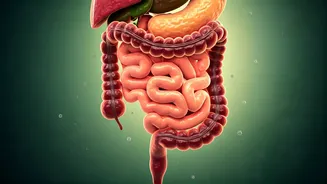
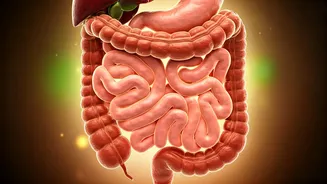
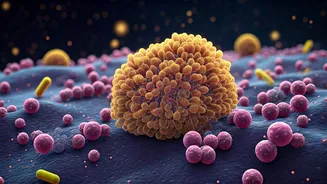
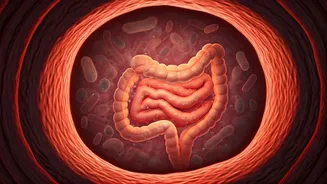
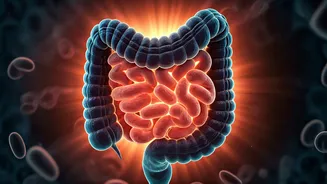
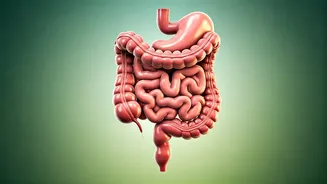
The secret is your gut microbiome. This complex community of trillions of bacteria and other microbes living in your digestive tract plays a crucial role in everything from your mood to your immune system—and, increasingly, the health of your skin. Scientists refer to this as the 'gut-skin axis,' a two-way communication highway between your digestive system and your largest organ. When your gut is populated with a diverse range of beneficial bacteria, it helps keep inflammation in check throughout your body. However, when this delicate balance is disrupted—a state known as dysbiosis—it can trigger an inflammatory response that manifests on your skin as acne, rosacea, eczema, or premature ageing. In short, an unhappy gut often leads to unhappy skin.
Feed Your Skin with Probiotics
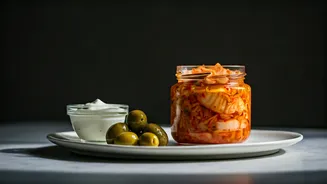
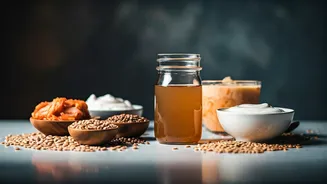
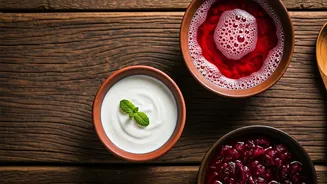
So, how do you nurture this internal garden? The first step is introducing more beneficial bacteria, known as probiotics. These are the 'good guys' that help restore balance and strengthen your gut lining. A stronger gut barrier prevents inflammatory compounds from 'leaking' into your bloodstream and travelling to your skin. While probiotic supplements are popular, you can easily get them from food. Fermented foods are a fantastic natural source. Think of including items like dahi (yoghurt) with live cultures, kefir, kimchi, kombucha, and traditional pickles in your diet. Incorporating even a small serving of these foods daily can make a significant difference in populating your gut with skin-friendly microbes.
Don't Forget the Prebiotics
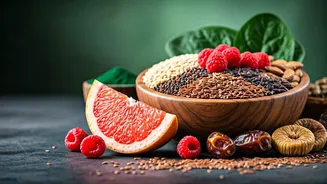
Probiotics are living organisms, and like any living thing, they need food to thrive. That’s where prebiotics come in. Prebiotics are types of dietary fibre that your body can't digest but your good gut bacteria love to feast on. By feeding the beneficial microbes, you help them grow and multiply, crowding out the less helpful ones. Essentially, prebiotics are the fertiliser for your internal garden. You don't need fancy supplements to get them; they are abundant in many everyday foods. Excellent sources include onions, garlic, bananas (especially when slightly green), oats, apples, asparagus, and whole grains like wheat and barley. A diet rich in a variety of plant-based foods is naturally high in prebiotic fibre.
What to Limit for a Clearer Complexion
Just as important as what you add to your diet is what you limit. Certain foods can fuel the 'bad' bacteria in your gut, promoting inflammation that shows up on your skin. The primary culprits are high-sugar foods and heavily processed items. A diet high in refined sugars can lead to dysbiosis and has been directly linked to increased sebum production and inflammation, which are key drivers of acne. Similarly, processed foods often lack fibre and are high in unhealthy fats and additives that can irritate the gut. This doesn't mean you can never enjoy a treat, but focusing on a whole-foods diet—rich in fruits, vegetables, lean proteins, and whole grains—is one of the most effective strategies for supporting both a healthy gut and clear, happy skin.