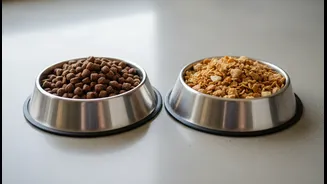






The Right Way to Switch
Before you even start looking for changes, it's crucial to manage the transition correctly. Abruptly changing your pet's food can shock their digestive system, leading to vomiting, diarrhea, or a refusal to eat. Veterinarians recommend a gradual transition over
a period of 7 to 10 days, though some sensitive pets may need up to 14 days. A standard approach involves mixing the new food with the old. Start with a ratio of 25% new food to 75% old food for a few days, then slowly increase the amount of new food every couple of days until you've phased the old food out completely. This slow introduction gives your pet's gut bacteria time to adapt to the new ingredients, making the process much smoother for everyone.
Monitoring Their Digestion
Your pet’s digestive response is the most immediate indicator of how well they are tolerating a new food. During the first few days, a slightly softer stool or a bit more gas can be normal as their system adjusts. However, you should be looking for a return to firm, consistent, and easy-to-pick-up stools. These are signs that their digestive system is handling the food well. Conversely, persistent diarrhea, vomiting, constipation, or excessive gas are red flags. If these symptoms last for more than a couple of days, it suggests the food may not be a good fit or the transition was too quick. In such cases, it's wise to switch back to the old food and consult your veterinarian.
Checking Their Coat and Skin
Changes to your pet's skin and coat take longer to appear, often requiring 4 to 8 weeks on the new diet to become noticeable. A positive change is one of the best long-term signs that the food is providing high-quality nutrition. Look for a coat that becomes shinier, softer, and less prone to shedding. Healthy skin should be clear, without excessive flakiness, redness, or greasiness. On the other hand, a dull coat, dry or flaky skin, or an increase in itching and scratching can be signs of a food sensitivity or that the diet is lacking in essential fatty acids. Food allergies often manifest as skin problems, so persistent itching is a definite reason to speak with your vet.
Gauging Their Energy Levels
Food is fuel, and your pet’s energy and behaviour can tell you a lot about the quality of their nutrition. A well-suited diet should result in stable, appropriate energy levels for their age and breed. You might notice your dog is more playful and alert, or your cat seems more engaged and active. These are excellent signs that the new food is meeting their metabolic needs. Conversely, a noticeable drop in energy, increased lethargy, or irritability can indicate a problem. If your usually energetic pet is suddenly sluggish or seems withdrawn after a diet change, it could be a sign that the new food isn't providing the right nutrients or is causing discomfort. It's important to distinguish this from the temporary sluggishness of a minor tummy ache during the transition phase.
When to Call the Vet
While minor fluctuations are expected during a transition, certain symptoms warrant a prompt call to your veterinarian. Do not wait if your pet exhibits persistent vomiting or diarrhea, especially if there is blood in their stool or vomit. A complete refusal to eat for more than 24 hours is also a serious concern, particularly for puppies, kittens, and pets with existing health conditions. Other warning signs include significant weight loss, signs of pain, or extreme lethargy. Your vet can help rule out more serious issues, determine if it's a food allergy or intolerance, and recommend a diet that is truly appropriate for your pet's individual needs.