


The Heightened Monsoon Threat
The Indian monsoon, while beautiful, creates a perfect storm for pet health issues. High humidity, constant dampness, and stagnant water puddles become ideal breeding grounds for ticks, fleas, bacteria, and fungi. This environment dramatically increases
the risk of infections. A pet's damp coat can become a haven for problematic microbes, leading to skin issues that are among the top reasons for vet visits during this season. The moisture trapped in their fur, especially in double-coated breeds, creates a warm, moist micro-environment where bacteria and yeast can multiply to infectious levels. Furthermore, stagnant water can harbor dangerous bacteria like Leptospira, which can cause the serious disease leptospirosis, transmissible to both pets and humans.
Winning the War on Ticks
Monsoon is peak season for ticks, which thrive in warm, humid conditions. These parasites are not just a nuisance; they are carriers of severe illnesses like Tick Fever, caused by pathogens such as Babesia and Ehrlichia. These diseases can lead to high fever, lethargy, loss of appetite, anemia, and in severe cases, can be fatal. Prevention is far more effective than treatment. A multi-pronged approach is recommended: use vet-approved preventive treatments like spot-ons, medicated collars, or oral medications. It is crucial to start these treatments before the monsoon begins. Additionally, daily inspections of your pet's coat are non-negotiable. Check common hiding spots like behind the ears, between the toes, under the collar, in armpits, and around the tail after every walk.
Essential Paw and Coat Care
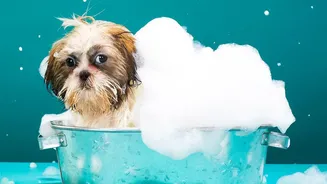
A pet's paws and coat bear the brunt of monsoon walks. Paws are in direct contact with muddy, contaminated water, making them susceptible to fungal and bacterial infections, a condition known as pododermatitis. It is vital to clean and dry your pet’s paws thoroughly after every single outing. Wiping with a clean towel is a must, and for extra dirty paws, a rinse with lukewarm water and a mild antiseptic like Betadine solution can help. Keeping the fur between the paw pads trimmed short can also prevent moisture and dirt from getting trapped. Just as important is keeping their coat dry. A perpetually damp coat can lead to acute moist dermatitis, or 'hot spots'—painful, red, and inflamed patches of skin. After any exposure to rain, dry your pet completely with an absorbent towel, paying special attention to the underbelly and armpits.
Managing Diet and Indoor Life
A strong immune system is your pet's first line of defense. Providing a balanced, nutrient-rich diet helps bolster their immunity to fight off seasonal illnesses. Some experts suggest adding fiber to their diet to aid digestion, especially since outdoor activity may be limited. Always provide fresh, clean drinking water; boiling it is a good practice to prevent water-borne diseases, as pets might otherwise be tempted to drink from contaminated puddles. Since pets will spend more time indoors, keeping their environment clean is crucial. Bedding, blankets, and toys should be washed regularly in hot water to prevent moisture buildup and kill any hiding ticks or fleas. Engaging your pet with indoor games and puzzle feeders can help burn off excess energy and prevent boredom on days when long walks aren't possible.
Don't Forget the Ears
Ear infections are a common and often overlooked problem during the monsoon, especially for breeds with long, floppy ears that trap moisture. The damp, warm environment inside the ear canal is perfect for yeast and bacteria to flourish. Signs of an ear infection include frequent head shaking, scratching at the ears, or a bad odor. To prevent this, make it a habit to gently dry your pet's outer ears after walks or baths. Your veterinarian can recommend a suitable, gentle ear-cleaning solution and demonstrate the correct way to use it to keep the ear canal dry and healthy.