



The Myth of the Muted Wardrobe
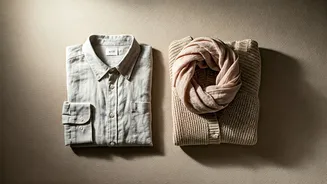
The stereotype that sustainable fashion is boring and unfashionable is one of the biggest myths holding consumers back. This idea often stems from the early days of the eco-movement, when the focus was purely on materials like organic cotton, often presented
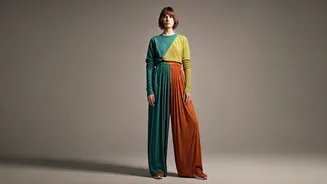
in its natural, undyed state. While well-intentioned, the aesthetic was limited. Today, however, that couldn't be further from the truth. The sustainable fashion landscape is now a hotbed of innovation, where designers and brands are proving that you don't have to sacrifice style to make a positive impact. They are combining ethics with innovation to create clothes that set trends rather than just follow them.
A Spectrum of Colour and Craft
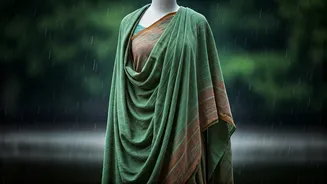
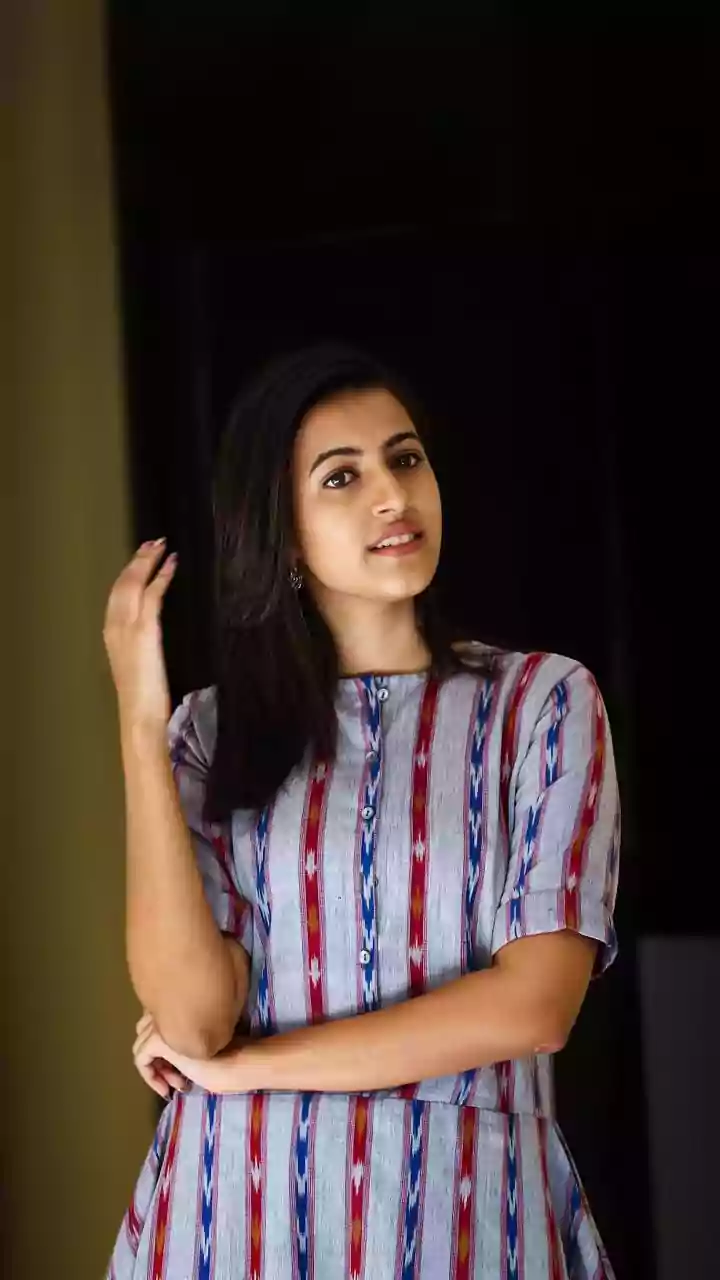
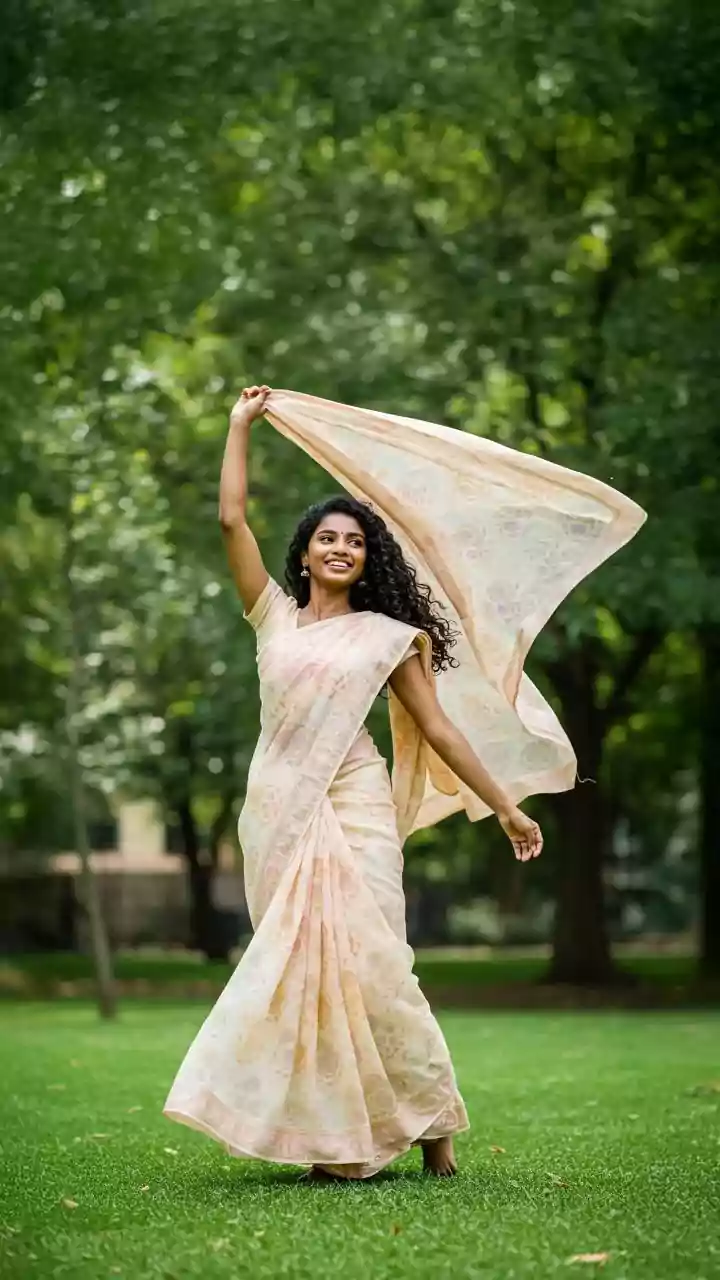
In India, a new wave of designers is leading the charge, blending the country's rich textile heritage with a modern, eco-conscious vision. Brands like Okhai are known for their bright embroidery and artisan-made pieces that empower rural women. Doodlage has become a pioneer in upcycling, turning factory waste into one-of-a-kind, edgy designs. Others, like Anokhi, are reviving traditional techniques such as hand-block printing, creating garments that are vibrant works of art. Designers such as Anita Dongre, through her Grassroot initiative, have long championed handwoven fabrics and collaborations with rural artisans to create luxurious, colourful, and sustainable collections. These brands demonstrate that sustainability is not about limitation, but about celebrating craftsmanship and creativity.
Innovation in Every Fibre
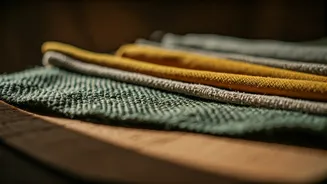
The material world of sustainable fashion has expanded dramatically. It’s no longer just about organic cotton. Innovators are creating textiles from a surprising array of sources. You can now find luxurious, leather-like materials made from pineapple leaves, apples, and mushrooms. Some companies are developing fabrics from seaweed and algae, while others are perfecting the art of turning agricultural waste like rice husks and banana stems into wearable fibres. Brands like Nirvanaa are even crafting stylish swimwear from ECONYL, a regenerated nylon made from discarded fishing nets and other ocean waste. These advancements are pushing the boundaries of what sustainable clothing can look and feel like, offering a diverse range of textures and possibilities.
The Art of Upcycling and Redesign
Sustainable style is also about a mindset shift—it's not just about buying new things from eco-friendly brands. Upcycling, the process of transforming old or discarded materials into something new and valuable, is a cornerstone of creative, sustainable fashion. This can be as simple as an individual reimagining a mother’s old saree or as complex as a brand like Doodlage building its entire identity on using textile waste. This approach reduces landfill waste and results in truly unique, statement pieces that tell a story. It's a celebration of circularity, proving that good fabric deserves more than one life and that your wardrobe can be a canvas for reinvention.
How to Build Your Vibrant, Sustainable Wardrobe
Making your wardrobe more sustainable and stylish doesn't require a complete overhaul. Start small. Instead of focusing only on neutrals, consciously add accent colours. Explore brands that are transparent about their practices and champion artisanship. Learn basic repairs, like sewing on a button, to extend the life of your clothes. Perhaps most importantly, slow down and shop with purpose. Before buying something new, think about how it fits your personal style and what you already own. A truly sustainable wardrobe is one filled with clothes you love and will wear for years to come, regardless of fleeting trends.