






Understanding Your Body's Master Clock
Deep inside your brain is a tiny region that acts as your body’s master clock. This is known as your circadian rhythm, a natural, internal 24-hour cycle that governs everything from when you feel sleepy to when you feel alert. For most of human history,
this clock was synchronised with the sun. Bright daylight told our bodies it was time to be awake and productive, while the fading light of sunset signalled that it was time to wind down and prepare for rest. This process is largely managed by a hormone called melatonin. When your eyes detect darkness, your brain begins to release melatonin, making you feel sleepy. When they detect bright light, melatonin production is suppressed, promoting alertness.
The Challenge for Shift Workers
Shift work throws this finely tuned system into disarray. When you work through the night and try to sleep during the day, your body is in a state of conflict. You are trying to be alert when your internal clock is screaming for sleep, and trying to rest when daylight is telling your brain to be awake. This mismatch, often called shift work sleep disorder, leads to more than just daytime grogginess. Long-term disruption of the circadian rhythm is linked to serious health problems, including an increased risk of cardiovascular disease, digestive issues, obesity, and other metabolic disorders. It impacts concentration, mood, and can increase the risk of accidents both at work and on the commute home.
How Modern Lighting Disrupts Sleep
The problem is not just daylight; it is also the artificial light we are surrounded by. Standard indoor lighting and the screens of our phones, tablets, and computers emit a high concentration of blue light. This blue light is particularly effective at tricking our brains into thinking it is still daytime, powerfully suppressing the production of melatonin. For a shift worker trying to wind down after a night shift, or even for a day worker scrolling on their phone before bed, this exposure can significantly delay the onset of sleep and reduce its quality. Your body’s clock is being told it's midday, even when you desperately need it to be midnight.
The Sunset Solution: Warm Light for Better Rest
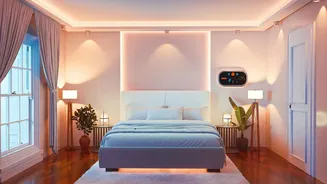
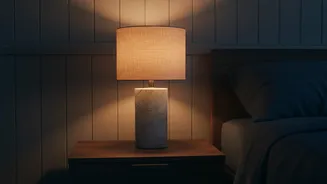
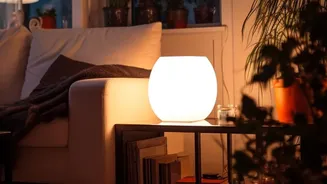
This is where the concept of “sunset lighting” comes in. The idea is to mimic the natural transition from day to night by changing the colour of your indoor lighting. Instead of harsh, blue-toned white light, you shift to warm, amber, or reddish tones in the hours before you intend to sleep. This warm-spectrum light has a much lower impact on melatonin production. By surrounding yourself with these gentler hues, you send a powerful signal to your brain that the day is ending and it's time to prepare for sleep. Research has shown that this simple switch can help people fall asleep faster and achieve better quality rest. It works by aligning your artificial environment with your body’s natural biological expectations.
Putting It Into Practice
Implementing this strategy is more accessible than ever. Many shift workers find success with a few key changes. The first step is to create an ideal sleep environment that is cool, dark, and quiet. Use blackout curtains or an eye mask to block out daylight when you need to sleep. When you are awake in the hours leading up to your sleep time, switch your light sources. You can use smart bulbs that allow you to adjust the colour temperature from cool white to warm amber via an app. Most smartphones and computers also have a “Night Shift” or “Eye Comfort Shield” mode that automatically warms up the screen colour after a certain time. Finally, try to get some exposure to bright light soon after you wake up, as this helps reset your clock for the start of your 'day', even if it begins in the evening.