








The Constant Quest for Balance
Tomatoes, the heart and soul of countless chutneys, sauces, and curries, bring a wonderful brightness and umami depth. However, they also bring a significant amount of acidity. This tanginess, if left unchecked, can dominate the entire dish, making it sharp
rather than rich. Many cooks reach for a pinch of sugar to counteract this, which is a good instinct, but there's a far superior alternative rooted in centuries of Indian culinary wisdom: jaggery. The simple act of adding a sweetener is part of a foundational cooking principle: balancing flavors. The five basic tastes—sweet, sour, salty, bitter, and umami—work in harmony. Sweetness is a natural counterbalance to sourness and bitterness, helping to round out sharp edges and create a more cohesive, pleasing taste. In a tomato chutney, where sourness is a given, a touch of sweetness is not just an addition; it's a necessity for achieving a full-bodied flavor.
Why Jaggery Is the Superior Choice
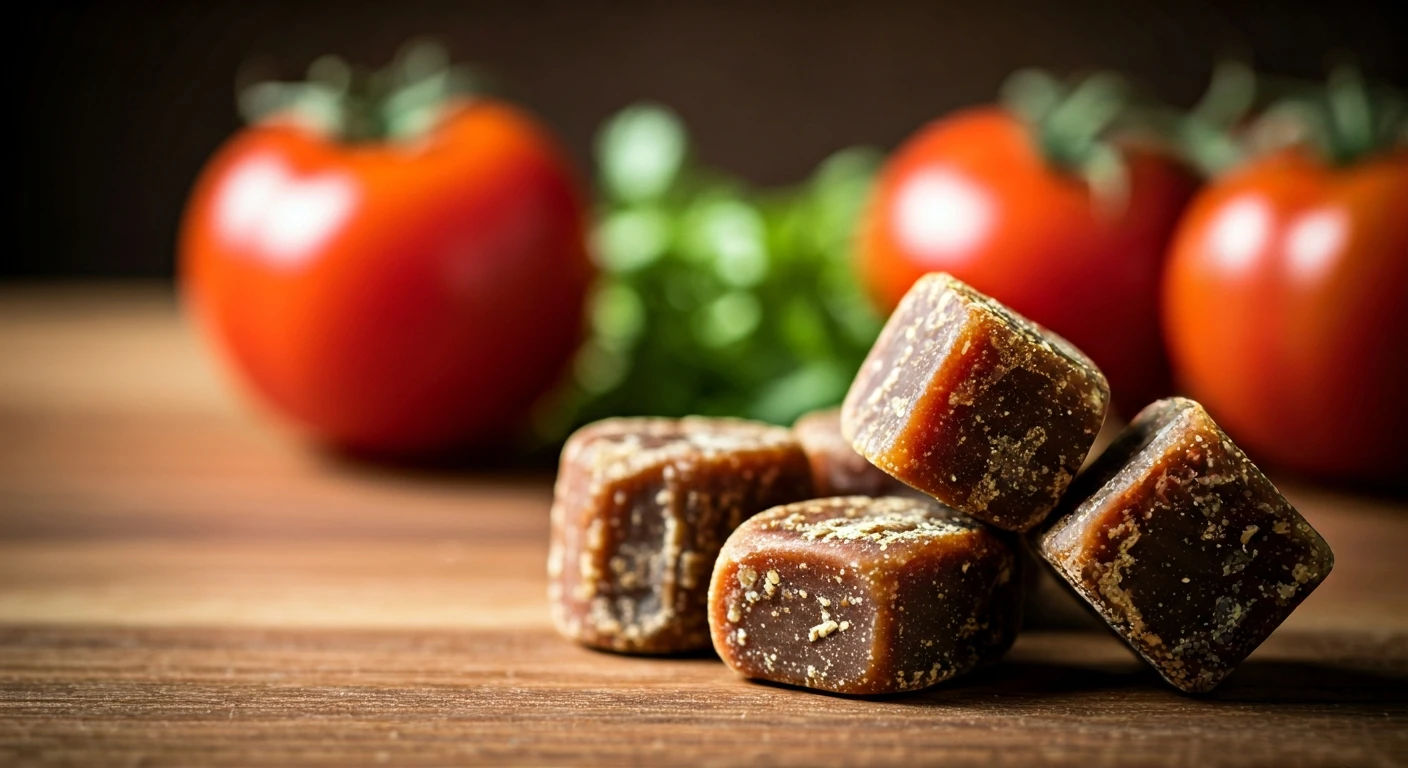
So why not just use white sugar? While sugar provides straightforward sweetness, jaggery offers sweetness plus complexity. Jaggery, or 'gur', is an unrefined sweetener made from concentrated sugarcane juice or palm sap. Unlike refined white sugar, which is stripped of all its natural molasses and minerals, jaggery retains them. This is what gives jaggery its characteristic golden-brown color and, more importantly, its rich, complex flavor. It carries notes of caramel, toffee, and a subtle earthiness that white sugar simply lacks. When you add jaggery to your tomato chutney, you're not just fighting the acidity; you're layering in a deeper, more resonant flavor that complements the cooked tomatoes beautifully. It transforms the chutney from a simple tangy condiment into a sophisticated one with a spectrum of flavors.
Putting It Into Practice: The How-To
Incorporating this flavor-bomb into your cooking is incredibly simple. The key is timing and moderation. Jaggery should be added while your tomatoes are simmering and breaking down. This allows it to fully dissolve and integrate into the chutney, its flavors melding with the tomatoes and spices. The headline suggests one piece, which is excellent advice for starting out. Begin with a small chunk or about one to two teaspoons of grated or powdered jaggery for a standard batch of chutney made from a few tomatoes. Stir it in, let it cook for a few more minutes, and then taste. The goal is not to make the chutney sweet, but to make the tomato flavor more vibrant. You should notice the sharp, acidic edge softening, allowing the deeper, savory notes of the tomato to shine. If it's still too tangy, add a tiny bit more until the flavors feel harmonious.
A Secret Weapon for All Tomato Dishes
This technique is not limited to just tomato chutney. It's a versatile secret weapon for any dish with a prominent tomato base. Whether you're making a South Indian rasam or sambar, where tamarind and tomatoes often create a very sharp base, a small piece of jaggery is essential for achieving the signature balanced taste. It works wonders in North Indian tomato-based curries, and can even elevate a simple Italian-style pasta sauce. Any time you find a tomato dish tasting a little too acidic or 'thin', a small addition of jaggery can add the depth and balance it needs. This simple piece of traditional knowledge is a game-changer, turning good dishes into unforgettable ones by creating an 'explosion' of well-rounded flavor.