



Upgrade Your Breakfast
The first meal of the day sets the tone, and a few simple changes can make a world of difference. Instead of refined, sugary cereals, consider a bowl of hearty oatmeal topped with fresh fruit. If you're making pancakes or muffins, try swapping half of the all-purpose
flour with whole wheat flour. This change increases your intake of fibre, B vitamins, and essential minerals, which helps maintain steady energy levels and keeps you feeling full longer. Another easy swap is using plain Greek yogurt instead of flavoured, sugary varieties. You still get a creamy texture, but with more protein and less sugar.
Swap This: White Bread
For That: Whole-Wheat Bread.
When making toast or a sandwich, switching from white to whole-wheat bread is one of the most effective changes you can make. The refining process that creates white flour strips away more than half of wheat's B vitamins and nearly all of its fibre. Whole-wheat flour, on the other hand, retains the bran and germ, offering more protein, fibre, and nutrients like iron and magnesium. This fibre helps regulate blood sugar, preventing the energy spikes and crashes associated with refined grains. If the taste of 100% whole wheat is too strong at first, try a 50/50 variety and gradually make the switch.
Rethink Your Lunch
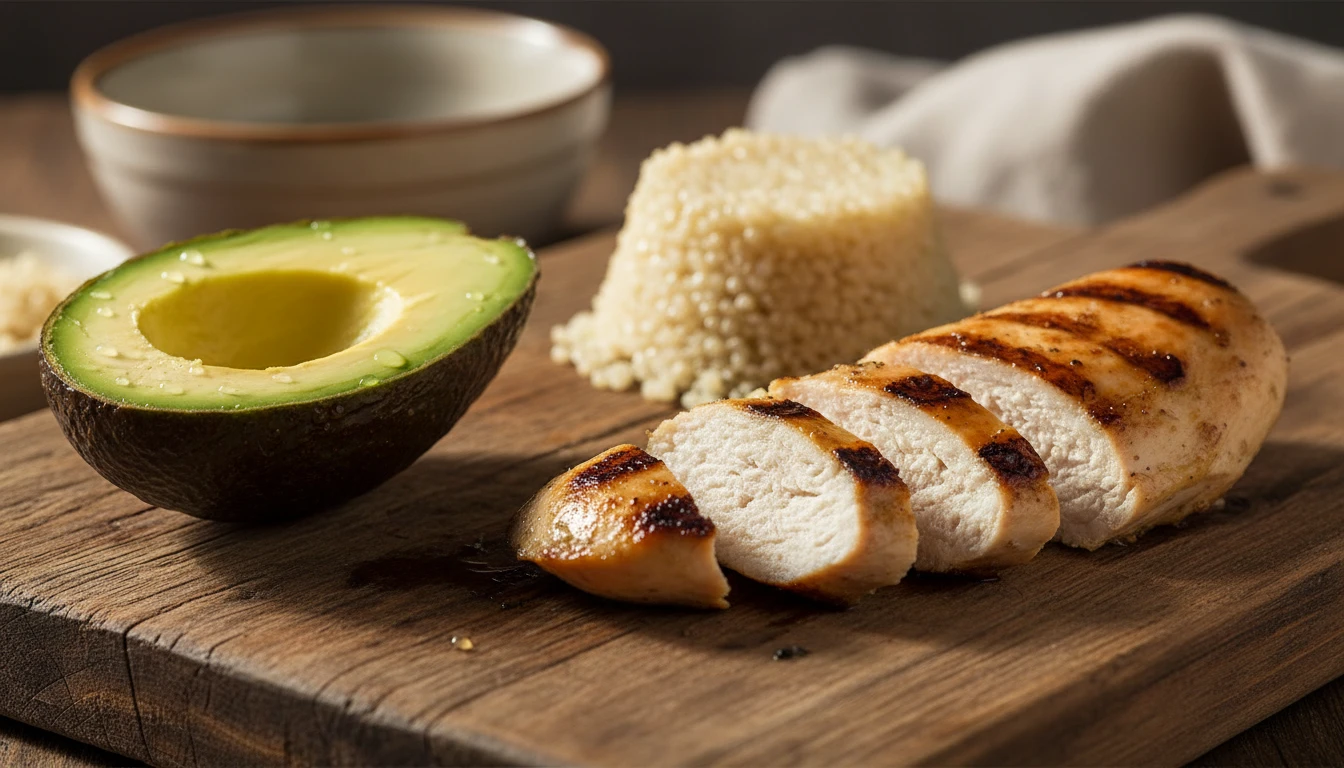
Lunch often needs to be quick and easy, which can lead to less-than-healthy choices. Upgrade your midday meal with a few smart substitutions. Instead of a wrap made with a flour tortilla, try using large lettuce leaves, like romaine or iceberg, for a crunchy, low-carb alternative. This is an excellent way to increase your vegetable intake. When building a grain bowl or a side dish, choose quinoa instead of white rice. Quinoa is a complete protein and has a lower glycemic index, providing sustained energy for the afternoon. For sandwiches and dips, swap mayonnaise for mashed avocado or hummus. You'll get a similar creamy texture but with the added benefits of healthy fats and fibre.
Swap This: Sour Cream
For That: Plain Greek Yogurt.
This is a versatile swap that works for lunch and dinner. Whether you're topping a baked potato, making a creamy dip, or adding a tangy element to tacos, plain Greek yogurt is a fantastic substitute for sour cream. It offers a similar taste and texture but is generally lower in calories and fat while being significantly higher in protein. Greek yogurt also contains probiotics, which are beneficial for gut health. You can use it in a one-to-one ratio in most recipes, making it an easy way to boost protein and reduce fat without a noticeable difference in flavour.
Reimagine Dinner Favourites
Dinner is often where we enjoy our most comforting meals, and you don't have to give them up to be healthy. Instead of breadcrumbs for coating chicken or fish, try using crushed nuts or rolled oats for a crunchy, nutrient-dense crust. If a recipe calls for ground meat, you can replace half of it with cooked lentils or black beans. This reduces saturated fat and adds a healthy dose of fibre and plant-based protein. When making creamy soups or casseroles that call for heavy cream, you can often use evaporated non-fat milk or even a blend of low-fat milk and a thickener to achieve a similar richness with fewer calories and less fat.
Swap This: White Rice
For That: Cauliflower Rice.
For a low-carb, nutrient-packed alternative to white rice, look no further than cauliflower rice. It's essentially finely chopped or grated cauliflower that mimics the texture of rice. One cup of cauliflower rice has dramatically fewer calories and carbohydrates than a cup of white rice. It's also an excellent source of vitamins C and K, folate, and fibre. The high fibre content aids digestion and helps you feel full. You can make it yourself in a food processor or buy it pre-packaged. It works wonderfully in stir-fries, casseroles, or as a simple side dish.