






From Kitchen Waste to Garden Gold
Every day, kitchens across India produce a significant amount of organic waste, from potato and carrot peels to used tea leaves. While these often end up in the bin, they are actually a powerhouse of essential nutrients that your plants crave. Vegetable
peels are rich in key macronutrients like potassium, phosphorus, and nitrogen, which are fundamental for plant health. Potassium aids in water retention and strong stems, phosphorus supports robust root growth, and nitrogen is crucial for lush, green leaves. Similarly, used tea leaves are an excellent source of nitrogen and organic matter. They help improve the soil's structure, increase its ability to hold water, and feed the beneficial microorganisms that create a healthy soil ecosystem. By composting these items, you're not just creating a free, natural fertilizer; you're also diverting waste from landfills, where it would otherwise produce harmful methane gas.
The Art of Composting: Simple Methods
Turning your kitchen scraps into fertilizer is easier than you might think. There are several methods you can try, even if you have limited space. A popular technique is making a 'fertilizer tea'. This involves steeping your vegetable peels and other scraps in a bucket of water for three to five days. After soaking, you strain the liquid and use it to water your plants, providing an immediate nutrient boost. Another simple method is direct application, sometimes called 'chop and drop'. For this, you simply chop peels into small pieces and bury them in the soil around your plants. Banana peels, high in potassium, and orange peels, rich in nitrogen, are great for this. For those looking to create a larger supply of fertilizer, a traditional compost bin is the way to go. This involves layering your kitchen waste with other organic materials to create a rich, soil-like compost over time.
Your Step-by-Step Composting Guide
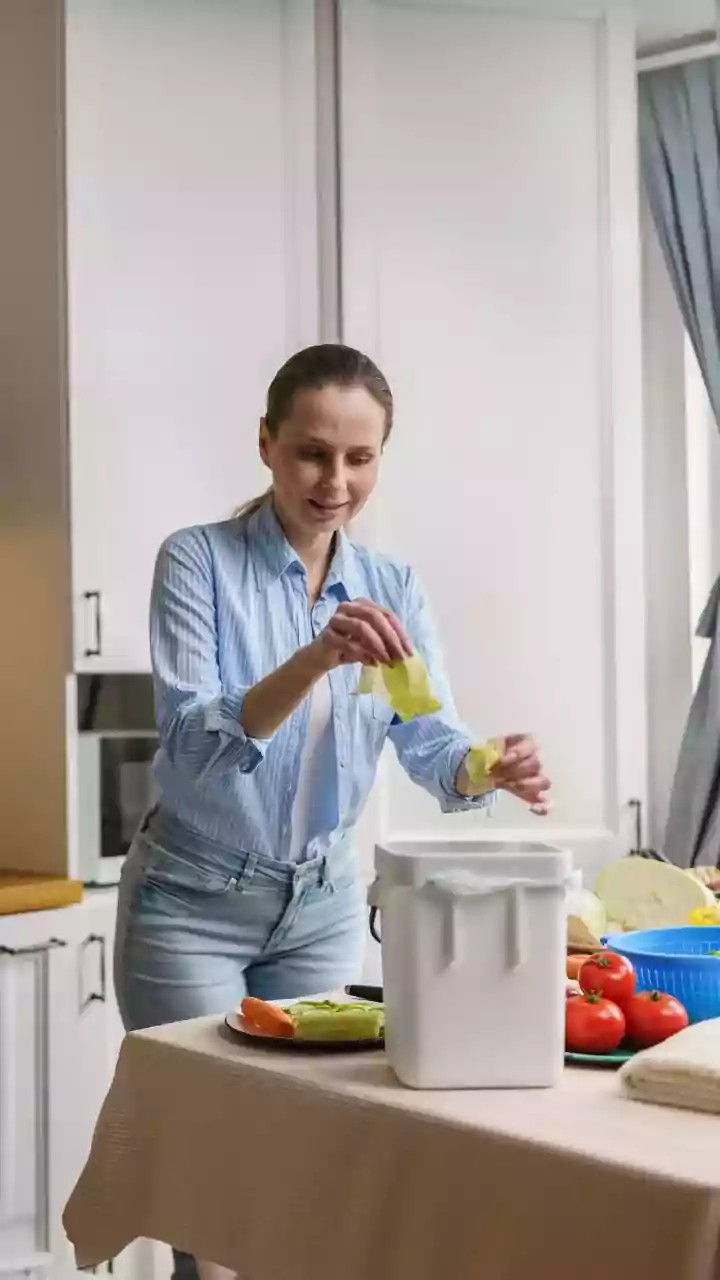
Ready to start your own compost? The key is balancing 'greens' (nitrogen-rich materials) with 'browns' (carbon-rich materials). Vegetable peels and tea leaves are considered 'greens'. To create a healthy compost pile, a good rule of thumb is to aim for a ratio of roughly one part greens to two parts browns. 1. Collect Your Scraps: Save your raw vegetable peels (potato, carrot, cucumber), fruit scraps, used tea leaves, and even coffee grounds. If you're using tea bags, make sure they are made of paper and remember to remove any metal staples. 2. Chop Them Up: Smaller pieces decompose much faster. Chop larger peels and scraps into smaller bits before adding them to your pile or bin. 3. Layer and Mix: Start your compost bin with a layer of 'browns' like dried leaves, shredded newspaper, or cardboard. Add your 'green' kitchen scraps on top. Continue layering and aim to mix or turn the pile every week or two to introduce air, which is crucial for decomposition and preventing bad odours. 4. Maintain Moisture: Your compost pile should be moist, like a damp sponge, but not soaking wet. If it's too dry, add a little water. If it's too slimy or smelly, add more 'browns'.
When Is It Ready and How to Use It?
Patience is key with composting. The process can take anywhere from a few months to a year, depending on the materials and conditions. You'll know your fertilizer is ready when it has transformed into a dark, crumbly material that smells earthy and rich, much like forest soil. Once it's ready, this homemade fertilizer, or 'humus', is incredibly versatile. You can mix it into the soil of your potted houseplants to give them a nutrient boost. It can be worked into your vegetable garden beds before planting to improve soil fertility and structure. You can also use it as a 'top dressing' by spreading a thin layer around the base of existing plants, trees, and shrubs, allowing the nutrients to slowly work their way down to the roots with each watering. Using your own homemade fertilizer not only nourishes your plants but also completes a beautiful, sustainable cycle right in your own home.