




Tired of the same old protein shake? You're not alone. The good news is that your tub of protein powder is far more versatile than you think, ready to transform everyday meals into nutrient-dense powerhouses without the blender fatigue.
More Than Just Avoiding Shakes
While breaking
the monotony of endless shakes is a major plus, cooking with protein offers deeper benefits. Eating your protein as part of a whole-food meal can increase satiety, helping you feel fuller for longer compared to a quickly consumed drink. This makes it a useful strategy for appetite management. Furthermore, whole food meals provide a broader spectrum of nutrients like fibre, vitamins, and minerals that you miss out on with an isolated protein shake. Integrating protein into your meals supports muscle maintenance and can even contribute to a healthier metabolism. It’s a simple way to elevate the nutritional profile of foods you already enjoy.
Choose the Right Powder for the Job
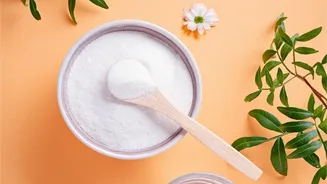
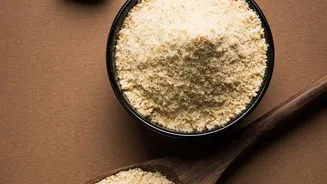
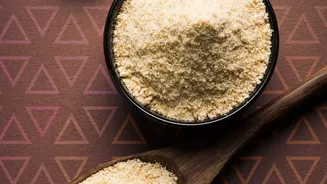
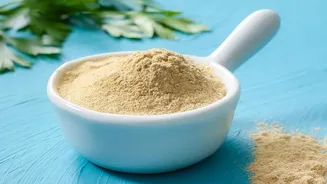
Not all protein powders behave the same in the kitchen. Whey protein isolate is often recommended for baking because it has a lighter texture and is heat-stable. However, plant-based blends made from pea, soy, or rice protein can also work wonderfully, though they tend to absorb more liquid. Unflavoured powders offer the most versatility, allowing you to control the final taste of your dish, whether it's sweet or savoury. Flavoured powders are great for specific recipes like vanilla pancakes or chocolate brownies, but be mindful that they often contain sweeteners that might require you to reduce the sugar in your recipe. For best results, choose a powder with minimal additives like gums or fillers, which can behave unpredictably under heat.
The Golden Rules of Protein Cooking
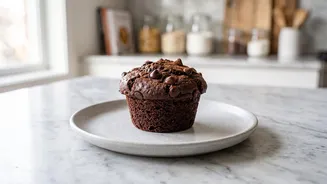
Successfully cooking with protein powder comes down to a few key principles. First, don't swap it 1:1 for flour. Protein powder is much more absorbent. A good starting point is to replace about one-quarter to one-third of the flour in a recipe with protein powder. Second, you must add extra moisture to compensate for the powder's thirstiness. Ingredients like mashed banana, Greek yoghurt, applesauce, or pumpkin puree work wonders to keep baked goods from becoming dry and rubbery. Finally, be gentle. Overmixing the batter can lead to a tough, dense final product. Fold the ingredients together only until they are just combined.
How to Avoid Common Pitfalls
The most common complaint about protein-fortified recipes is a dry, rubbery, or chalky texture. This is almost always caused by using too much powder, not adding enough liquid, or overbaking. Protein bakes cook faster than their traditional counterparts, so it's wise to lower your oven temperature by about 15°C (or 25°F) and check for doneness a few minutes earlier than the recipe suggests. To avoid clumps, especially in liquids like soups or sauces, mix the powder with a small amount of cool liquid to form a paste before stirring it into the hot dish. For oatmeal, let it cool for a minute before stirring in the powder to prevent a gritty texture.
Easy Recipes to Get You Started
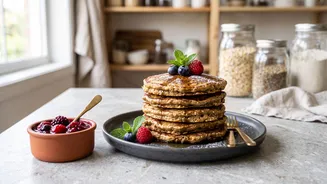
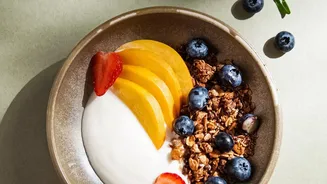
The easiest way to start is by incorporating protein powder into foods that are already moist and forgiving. Oatmeal is a classic : just whisk in a scoop after cooking for a creamy , filling breakfast . Pancakes and waffles are also fantastic entry points ; simply add a scoop to your favourite batter along with a splash of extra milk . Mixing protein powder into Greek yoghurt or cottage cheese creates an instant high - protein pudding or dip . For savoury options , unflavoured protein can be stirred into creamy soups , mashed potatoes , or even hummus to boost protein without altering the taste significantly . These simple additions make it easy to hit your protein goals in a delicious , satisfying way .