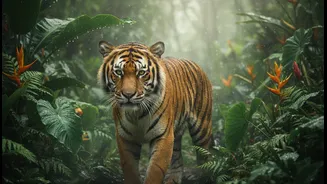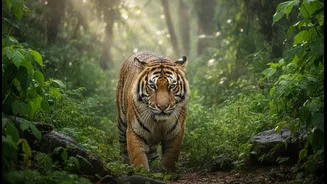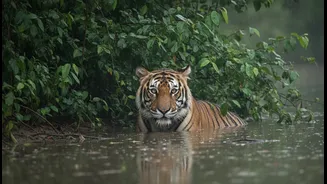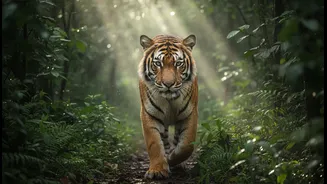






Understanding Core vs. Buffer Zones
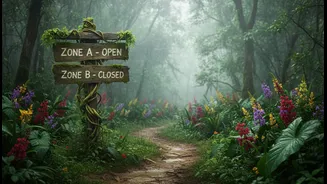
Most national parks and tiger reserves are divided into two main areas: the core and the buffer. The core zone is the highly protected central part of the park, where human activity is strictly limited to preserve critical wildlife habitats. These are the zones
that typically close from June or July to September for ecological regeneration and animal breeding. The buffer zone is the area surrounding the core, acting as a transitional space where conservation and limited human activity, including tourism, coexist. Crucially, animals don't recognise these man-made boundaries. Tigers, leopards, deer, and other wildlife move freely between both zones, meaning buffer areas are often teeming with life.
The Unique Magic of a Monsoon Safari
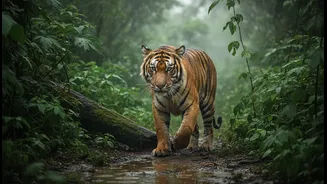
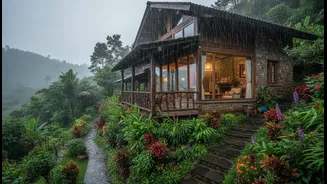
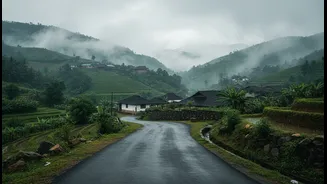
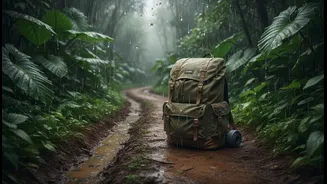
A safari during the rains is a world away from the dusty, hot drives of summer. The entire forest transforms into a lush, emerald paradise, with countless shades of green and the fresh scent of rain-soaked earth. With fewer tourists, the experience is more serene and personal. This season is also fantastic for photography, as the overcast skies provide soft, diffused light, and the vibrant landscapes create stunning backdrops. The monsoon also triggers unique animal behaviours; it's a prime time for birdwatching, as many species are more active, and it's also the best season to spot reptiles and amphibians. Even tiger and leopard activity can be high, as they patrol their territories more frequently to re-mark scents washed away by the rain.
Top Parks for Monsoon Buffer Safaris
While many parks shut down, several of India’s premier wildlife destinations keep their buffer zones open, offering fantastic rainy-season adventures. Tadoba-Andhari Tiger Reserve in Maharashtra is a top choice, with buffer gates like Moharli, Kolara, and Navegaon remaining accessible and known for excellent sightings. In Madhya Pradesh, Pench, Satpura, and Bandhavgarh National Parks all offer monsoon safaris in their buffer areas. Satpura is particularly unique, offering walking and canoeing safaris. In Uttarakhand, Jim Corbett National Park keeps its Jhirna, Dhela, and Sitabani buffer zones open for jeep safaris. Down south, parks like Nagarhole and Periyar in Karnataka and Kerala respectively, remain open year-round and are exceptionally beautiful during the monsoon, offering great opportunities to see elephants and a variety of birds.
What Wildlife to Expect
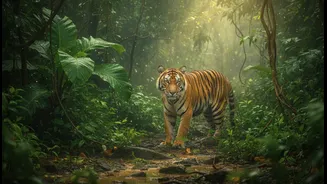
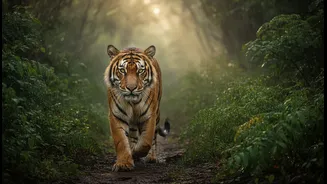
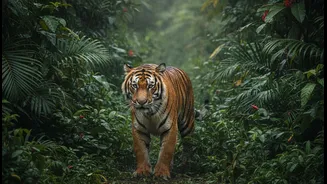
While the allure of the tiger is strong, a monsoon safari is a chance to appreciate the entire ecosystem. The lush vegetation can make spotting big cats more challenging than in the dry season, but sightings are still very possible in buffer zones, which often serve as prime habitats. Beyond tigers, look for leopards, sloth bears, wild dogs (dholes), and large herds of gaur (Indian bison). Deer species like sambar and chital are abundant, and the replenished water bodies attract a phenomenal amount of birdlife. A monsoon trip encourages you to look beyond a single species and appreciate the forest in its entirety, from the smallest insects to the largest mammals.
Essential Planning and Packing Tips
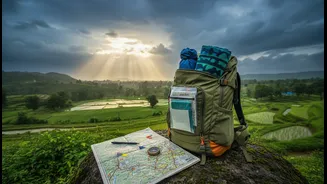
Planning a monsoon safari requires a bit of extra preparation. Always book your safaris in advance, as permits can still be limited even with fewer crowds. Be prepared for rain-related disruptions; check road conditions before you travel and build some flexibility into your itinerary. When packing, waterproof gear is essential. Include a good raincoat or poncho, waterproof bags for your electronics and camera gear, and sturdy, quick-drying footwear. Insect repellent is a must, as the humid weather brings out more bugs. Many resorts and hotels offer significant discounts during this 'off-season,' making it a great time for a budget-friendly trip. Embrace the unpredictability, and you'll be rewarded with a truly memorable adventure.