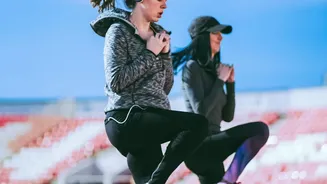






As temperatures drop, the appeal of exercising outdoors grows. Yet, with shorter days, fitting in a workout can be a race against the sunset. This guide helps you time your exercise to soak up every bit of precious daylight.
The Power of Sunshine Workouts
Exercising in cooler weather
is not just about avoiding the summer heat; it offers unique benefits. Your body may burn more calories as it works to stay warm, and your cardiovascular system gets a healthy challenge. But the biggest prize is sunlight. Exposure to natural light, even on overcast days, helps regulate your internal clock, boosts mood, and is crucial for producing Vitamin D. This 'sunshine vitamin' is vital for bone health, muscle function, and a strong immune system. During autumn and winter, when the sun's UVB rays are weaker and we spend more time indoors, our ability to produce Vitamin D plummets, making any daylight exposure valuable.
The Midday Sweet Spot
For most people, the ideal time to exercise outdoors during the cooler seasons is during your lunch break. The period between late morning and early afternoon typically offers the warmest temperatures and the most direct sunlight of the day. Scheduling a brisk walk, run, or bodyweight circuit during this window ensures you get maximum exposure to daylight, which can help ward off the seasonal slump and keep your energy levels high. Even a short 20 or 30-minute session is beneficial. This timing is particularly effective because your body's muscle function and strength often peak in the afternoon as your core temperature rises, priming you for a great workout.
Morning vs. Evening Exercise
If a midday workout isn't possible, both morning and evening have their own set of trade-offs. A morning workout gets your exercise done before the day's commitments can interfere. It can also help regulate your body clock and set a positive tone for the day. However, early mornings in cooler months are often dark and the coldest part of the day, requiring a more thorough warm-up to prevent injury. Evening workouts can be a great way to de-stress after work, and your body is naturally warmer and more prepared for intense activity. The significant downside is the lack of sunlight. If you exercise after sunset, ensure you wear reflective clothing and stick to well-lit, safe areas to avoid accidents.
Listen to Your Body's Clock
While midday is often optimal for light and warmth, the absolute 'best' time to exercise is the time you will actually stick with. Our bodies have natural rhythms, or chronotypes, that influence when we feel most energetic. Some people are natural 'morning larks' while others are 'night owls'. Experiment to see what feels best. The key to staying consistent through the season is building a routine that works for your schedule and energy levels. If a long workout feels daunting, try breaking it into smaller 'exercise snacks' throughout the day, like a brisk walk in the morning and another short one at lunch.
Essential Safety and Preparation
Exercising in the cold is safe for most people, but it requires smart preparation. The golden rule is to dress in layers. Start with a moisture-wicking base layer to pull sweat away from your skin, add an insulating middle layer like fleece for warmth, and top it with a windproof or waterproof outer shell. Overdressing can be a mistake, as excessive sweat can make you colder once you slow down. Don't forget to protect your extremities; a hat, gloves, and warm socks are essential as these areas lose heat quickly. Always start with a dynamic warmup to get your muscles ready, and remember that you can still get sunburned in winter, especially if there is reflective snow on the ground, so apply sunscreen to exposed skin.