





Beyond the Static Playlist
Until recently, a streamer's audio options were limited. Many relied on the same handful of royalty-free lo-fi hip-hop playlists, leading to a sea of broadcasts that sounded depressingly similar. The alternative—using popular, copyrighted music—brought
the constant threat of DMCA takedown notices and channel suspension. This created a major challenge for small creators trying to build a distinct brand and an immersive experience. They needed a soundtrack that was not only legally safe but also reflected the mood of the gameplay and the personality of their stream. Static, repetitive music simply couldn't keep up with the dynamic, unpredictable nature of a live broadcast.
The AI Music Director
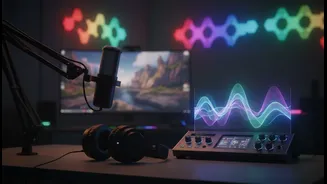
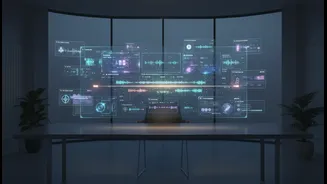
Real-time AI music generators are flipping the script. Instead of just playing pre-recorded tracks from a library, these tools act like a personal film composer for the stream. They use artificial intelligence to generate or adapt music on the fly, creating a score that perfectly matches the emotional context of the broadcast. Think of it as having a tiny, digital John Williams who watches the game and conducts a virtual orchestra in real time. When the on-screen action is calm, the AI can produce relaxed, atmospheric tunes. When a chaotic firefight erupts, the music can instantly swell into a tense, high-energy rhythm. This creates a far more engaging and professional-sounding experience for viewers.
Reading the Digital Room
So how does the AI know what kind of music to create? It responds to a variety of real-time "prompts." These can be technical inputs from the game itself, such as a player entering a new area or initiating a boss battle. Other systems are designed to read the emotional pulse of the stream. They can analyze the sentiment of the viewer chat—if the chat is full of hype emotes, the music might become more energetic. Some advanced tools can even integrate with biometric data, like the streamer's heart rate monitor, to score their genuine excitement or fear. More commonly, streamers use simple text prompts or select a mood within the AI tool to guide the generation, like "cyberpunk boss battle" or "calm, ambient exploration."
Tools of the Trade
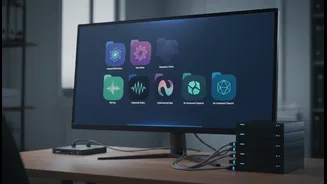
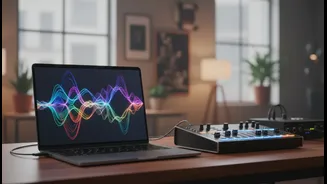
A growing ecosystem of AI music platforms is making this technology accessible to everyone. Services like Soundful, Mubert, and Soundraw offer extensive libraries of AI-generated music that can be customized by genre, mood, and tempo. Many of these are designed with creators in mind, offering plugins that integrate directly with streaming software like OBS. Some platforms, like Suno, can even turn text prompts into full songs with vocals, allowing for unprecedented creativity. There are even experimental tools that let a streamer's Twitch chat collaboratively write lyrics that an AI then sings live on stream, turning the audience into active participants in the soundtrack's creation. These tools are often available through affordable subscriptions, putting them well within reach for small streamers.
More Than Just Background Noise
The impact of this technology goes far beyond simply having better background music. For the streamer, it automates a key part of production, freeing them up to focus on gameplay and audience interaction. It helps forge a stronger brand identity by giving their stream a unique sonic fingerprint. For viewers, the experience is far more immersive and emotionally resonant. A soundtrack that adapts in real-time makes tense moments more thrilling and quiet moments more impactful, increasing audience engagement and making the entire stream more memorable. It transforms a passive viewing experience into a dynamic, co-created event, strengthening the bond between the creator and their community.