

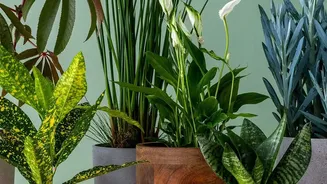
How Greenery Helps Clear the Air
The air inside our homes can be surprisingly polluted, sometimes even more so than the air outside. Winter smog in Delhi is a toxic mix of particulate matter (PM2.5 and PM10), nitrogen oxides, sulfur dioxide, carbon monoxide, and volatile organic compounds
(VOCs) like formaldehyde and benzene. These pollutants seep indoors and are also released from everyday items like furniture, paint, cleaning supplies, and cooking gas. Plants help purify the air through a process called phytoremediation. They absorb these gaseous pollutants through tiny pores in their leaves and roots. The plant and the microorganisms in its soil then break down these toxins into harmless substances. While they aren't a substitute for an electric air purifier during peak pollution, they work silently and constantly to improve your environment.
The Resilient Snake Plant
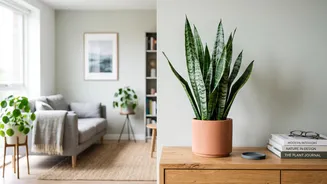
Known as Mother-in-Law's Tongue, the Snake Plant (Sansevieria trifasciata) is famous for being almost indestructible. It's a powerhouse purifier, noted in the landmark 1989 NASA Clean Air Study for its ability to filter formaldehyde, benzene, xylene, and trichloroethylene. What makes it exceptional for urban homes is its ability to release oxygen at night, unlike most other plants. This makes it a perfect companion for the bedroom, helping you breathe a little easier while you sleep. Care Tip: This plant thrives on neglect. Water it only once every two to three weeks, or when the soil is completely dry. It tolerates low light, making it ideal for almost any corner of a Delhi apartment.
The Prolific Money Plant
The Money Plant, or Pothos (Epipremnum aureum), is a staple in many Indian households for good reason. It’s incredibly easy to grow and its trailing vines add a lush, green feel to any space. It's also an effective air cleaner, recognised by NASA for its efficiency in removing formaldehyde and carbon monoxide. These pollutants are commonly found in pressed wood furniture, carpets, and gas stoves. Its hardiness makes it a great starting point for new plant parents. Care Tip: The Money Plant is very forgiving. It can thrive in a variety of light conditions, from bright indirect light to low light. Water it when the top inch of soil feels dry. You can easily propagate it by placing a cutting in a bottle of water.
The Elegant Peace Lily
The Peace Lily (Spathiphyllum) is one of the few air-purifying plants that flowers indoors, producing beautiful white blooms. It’s a top performer in removing pollutants, tackling all five of the main VOCs tested by NASA, including ammonia—a chemical common in household cleaners. Its broad, dark green leaves are not just beautiful but also efficient at capturing airborne toxins. Care Tip: Peace Lilies prefer shady spots and consistently moist soil. They will tell you when they're thirsty with a dramatic droop, but they perk up quickly after watering. Keep them away from pets and children, as the plant can be toxic if ingested.
The Lush Areca Palm
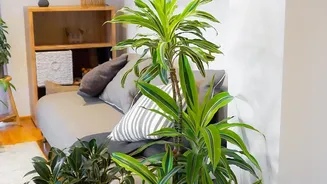
If you have a bit more space, the Areca Palm (Dypsis lutescens) is an excellent choice. It’s one of the best plants for removing a range of chemical toxins from the air. Beyond just cleaning the air, it's also a fantastic natural humidifier. Plants release water vapor through transpiration, and the Areca Palm’s feathery fronds are particularly good at this, helping to combat the dry indoor air caused by winter heating. Care Tip: This palm prefers bright, indirect sunlight and moist soil. It can be a bit more demanding than a snake plant, but its tropical look and air-purifying benefits are well worth the effort.
Making Your Green Barrier Effective
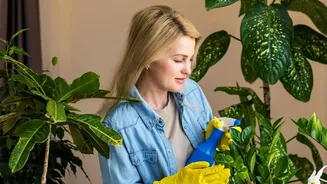
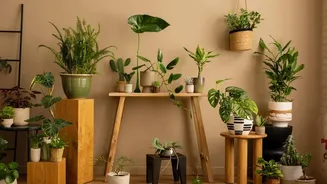
While a single plant can make you feel better, a few more are needed for a measurable impact. While some studies suggest an impractically large number of plants are needed for significant purification, other research indicates more modest numbers can help. A commonly cited recommendation from the original NASA research team suggests at least two good-sized plants per 100 square feet of space can be effective. To maximise their effect, keep the leaves clean by wiping them with a damp cloth occasionally, as dusty leaves are less efficient at absorbing pollutants. Grouping plants together can also help create a pocket of higher humidity, which benefits both you and the plants.