







The Power of a Simple Daily Goal
Fitness challenges provide structure and accountability, making it easier to stay on track. Committing to a small, manageable goal like 20 daily squats removes the intimidation factor that often comes with starting a new fitness regimen. It’s a micro-habit
that can build momentum for larger lifestyle changes. The power lies in consistency. While 20 squats might not feel like a marathon workout, performing them daily compounds over time, leading to significant improvements in strength and mobility. This approach fosters a sense of accomplishment each day, which can be a powerful motivator to keep going. Rather than aiming for a drastic overhaul, you're building a sustainable practice that fits into your existing routine. This is why such challenges become popular; they offer a clear path to results without demanding a huge time commitment.
What Are the Benefits of Daily Squats?
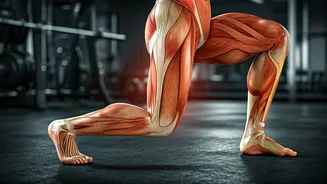
The squat is a foundational, full-body movement that mirrors everyday actions like sitting and lifting. Performing them daily strengthens the primary muscles in your lower body, including the quadriceps, hamstrings, and glutes. This not only helps with activities like climbing stairs but also improves your overall stability and balance. Beyond the legs, squats are a fantastic core workout, engaging your abdominal and lower back muscles to maintain posture. This enhanced core strength contributes to better spinal alignment and can reduce back pain. Regular squats also boost joint health in the ankles, knees, and hips by improving flexibility and range of motion. Engaging these large muscle groups can also give your metabolism a slight boost, helping your body burn more calories even at rest.
How to Do the Perfect Deep Squat
Form is everything. To perform a deep squat correctly, start with your feet about shoulder-width apart, with your toes pointing straight ahead or slightly outward. Keep your chest up and your spine in a neutral position. Begin the movement by pushing your hips back as if you’re about to sit in a chair. Lower your body, bending at the hips, knees, and ankles simultaneously. Aim to get your hips below your knees, which is the definition of a deep squat. Throughout the movement, your heels should remain flat on the floor. Your knees should track in line with your toes, not collapse inward. Keep your core engaged to stabilize your spine. To come back up, press firmly through your heels and extend your hips and knees until you return to the starting position. Move in a slow, controlled manner to maximize muscle engagement and ensure safety.
Common Mistakes to Avoid
Several common errors can undermine your squat and increase the risk of injury. One is letting your heels lift off the ground, which shifts your weight forward and puts stress on your knees. If this happens, work on your ankle mobility. Another frequent mistake is rounding your lower back, often called a "butt wink." This places undue stress on the spine. To correct this, focus on keeping your chest lifted and bracing your core. Only squat as deep as you can while maintaining a neutral spine. Knees caving inward is another issue, which can strain knee ligaments. Consciously push your knees outward so they stay aligned with your feet. Finally, avoid squatting too shallowly. A partial squat is less effective and can place unnecessary strain on the knees. Aim for your thighs to be at least parallel to the ground for maximum benefit.
Making the Challenge a Habit
The key to success is turning this daily action into an automatic habit. Start by setting a specific time for your squats, such as right after you wake up or before you brush your teeth. Attaching the new habit to an existing one makes it easier to remember. Prepare for success by laying out your workout clothes the night before if needed. Track your progress on a calendar, coloring in each day you complete the challenge. This visual proof of your streak can be highly motivating. If you feel overwhelmed, remember why you started. Focus on the feeling of getting stronger and more mobile. While daily bodyweight squats are generally safe, it's crucial to listen to your body. If you feel sharp pain, stop and assess your form. Don't push through an injury. The goal is consistent, healthy movement, not pushing to failure every day.