






The Monsoon Myth: An 'Off-Season' Illusion
For years, the rainy season from June to September was considered Goa's 'off-season'. Tourists pictured shuttered shacks and relentless downpours. While it's true the coast transforms, it doesn't shut down; it changes. The sea becomes rough, swimming
is often prohibited due to strong currents, and many temporary beach structures are taken down. This creates a quieter, more dramatic coastline perfect for contemplative walks, but it’s a far cry from the high-season party scene. Yet, to call it 'off-season' is to ignore where the real action is. As the coast quiets down, the state's interior explodes with life, turning the hinterlands into the main event.
The Call of the Western Ghats
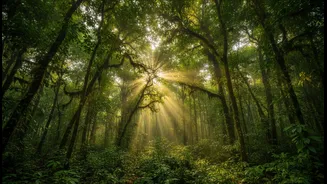
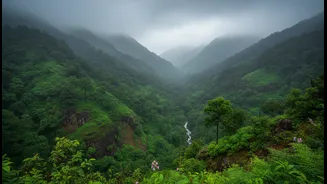
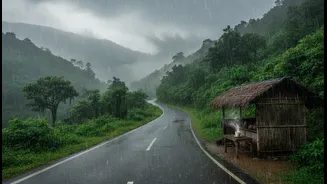
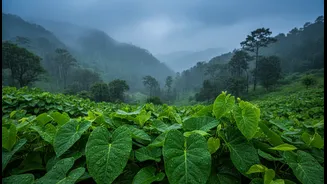
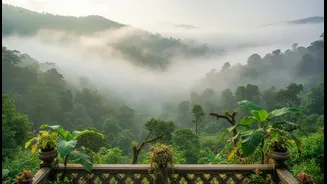
Goa's interior, a lush portion of the Western Ghats, becomes a paradise during the monsoon. Areas like the Chorla Ghats, nestled on the border of Goa, Karnataka, and Maharashtra, transform into a misty, cloud-covered landscape. The drive itself becomes an experience, with winding roads flanked by paddy fields and dense forests. This region is home to sprawling protected areas like the Bhagwan Mahavir Sanctuary and Mollem National Park. Here, the forest is at its most vibrant, with moss-laden trees, unique fungi, and a canopy so green it feels otherworldly. It's a sensory overload of the best kind: the smell of wet earth, the sound of croaking frogs, and the sight of a landscape completely rejuvenated by the rains.
Adventures Beyond the Shoreline
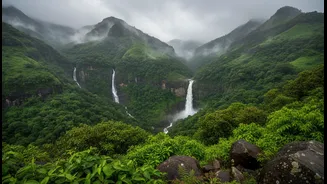
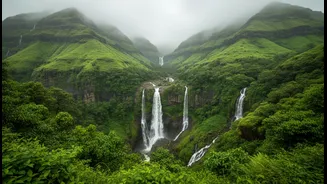
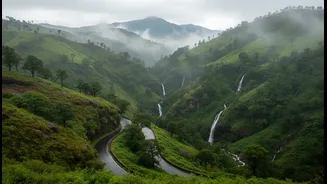
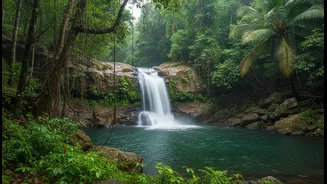
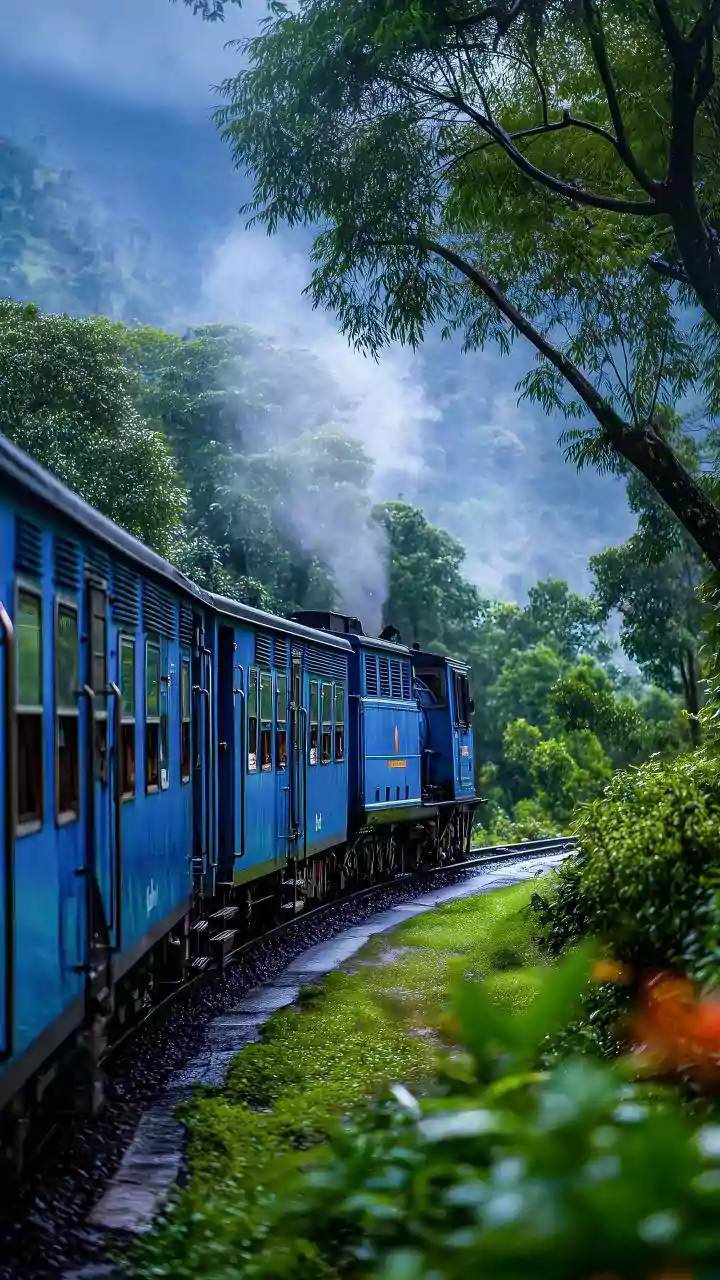
An inland Goa trip replaces sunbathing with a different kind of immersion. The star attraction is the waterfalls, which are at their thunderous peak. The iconic Dudhsagar Falls, one of India's tallest, becomes a powerful cascade, best viewed from a passing train or a challenging trek. Other accessible falls like Harvalem and Tambdi Surla also swell into impressive sights. Adventure seekers can find thrilling white-water rafting on the Mhadei River, an activity only possible during the monsoon. For a calmer experience, visiting a spice plantation offers a fragrant journey into the world of pepper, cardamom, and cinnamon, often concluding with a traditional Goan meal. The region's wildlife sanctuaries, including Bhagwan Mahavir, Cotigao, and Netravali, offer incredible opportunities for trekking and birdwatching, revealing a biodiversity hidden from the coastal tourist trail.
A Different Philosophy of Stay
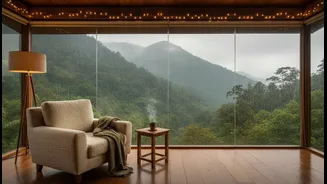
The accommodation in the hinterlands complements the natural surroundings, offering a stark contrast to the sprawling beach resorts. The focus here is on eco-resorts and nature-focused homestays that blend into the landscape. Properties in areas like the Chorla Ghats or near Mollem offer cottages tucked into hillsides, infinity pools that overlook misty valleys, and restaurants that serve local delicacies made from fresh, regional ingredients. These stays encourage a slower pace of travel. Mornings are for listening to birdsong, afternoons for guided nature walks, and evenings for quiet contemplation. It's less about consumption and more about connection, providing a peaceful retreat that feels worlds away from the northern coast's party pulse.
Redefining the Modern Vacation
This shift from coast to forest isn't just about changing scenery; it's about a new travel ethos. The modern traveller increasingly seeks authenticity, sustainability, and wellness over crowded, commercialised experiences. An inland monsoon trip delivers exactly that. It offers a chance to see a more authentic side of Goan life in its villages and forests. It supports eco-tourism and provides a more peaceful, restorative break from city life. By trading crowded beaches for verdant forests, roaring waterfalls, and serene nature stays, you’re not just having an 'off-season' holiday. You are experiencing a more conscious, immersive, and ultimately more rewarding form of travel that aligns perfectly with what a modern vacation should be.