

The Challenge with Lithium-Ion
For years, the electric vehicle revolution has been powered by lithium-ion batteries. They are energy-dense, meaning they pack a lot of power into a small space, which is great for cars and scooters. However, lithium is not cheap. Its price can be volatile,
and the global supply chain is concentrated in just a few countries. India, for instance, imports the vast majority of its lithium-ion cells. This reliance on imports and the high cost of materials like lithium, cobalt, and nickel are major reasons why the upfront cost of an electric two-wheeler remains a barrier for many Indian consumers.
Enter Sodium-Ion: The Affordable Alternative
This is where sodium-ion (Na-ion) batteries come in. As the name suggests, these batteries use sodium ions as their charge carriers. The core advantage is simple: sodium is incredibly abundant and cheap. It's the same element found in common salt and is available globally, including in India's vast coastline. By eliminating the need for expensive and geopolitically sensitive materials like lithium and cobalt, sodium-ion technology promises to be significantly cheaper, with some estimates suggesting a cost reduction of 15-20% compared to lithium-ion batteries.
Performance: How Does It Compare?
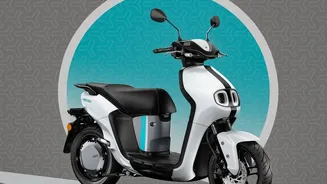
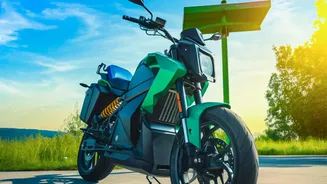
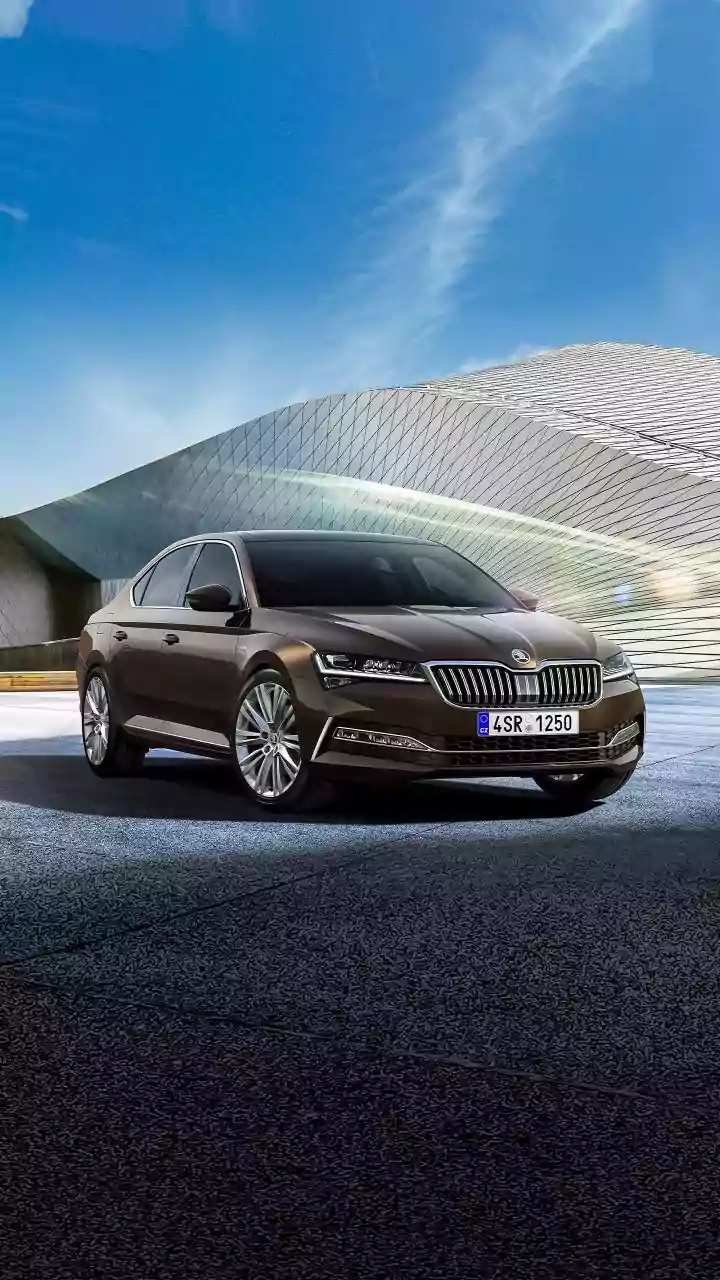
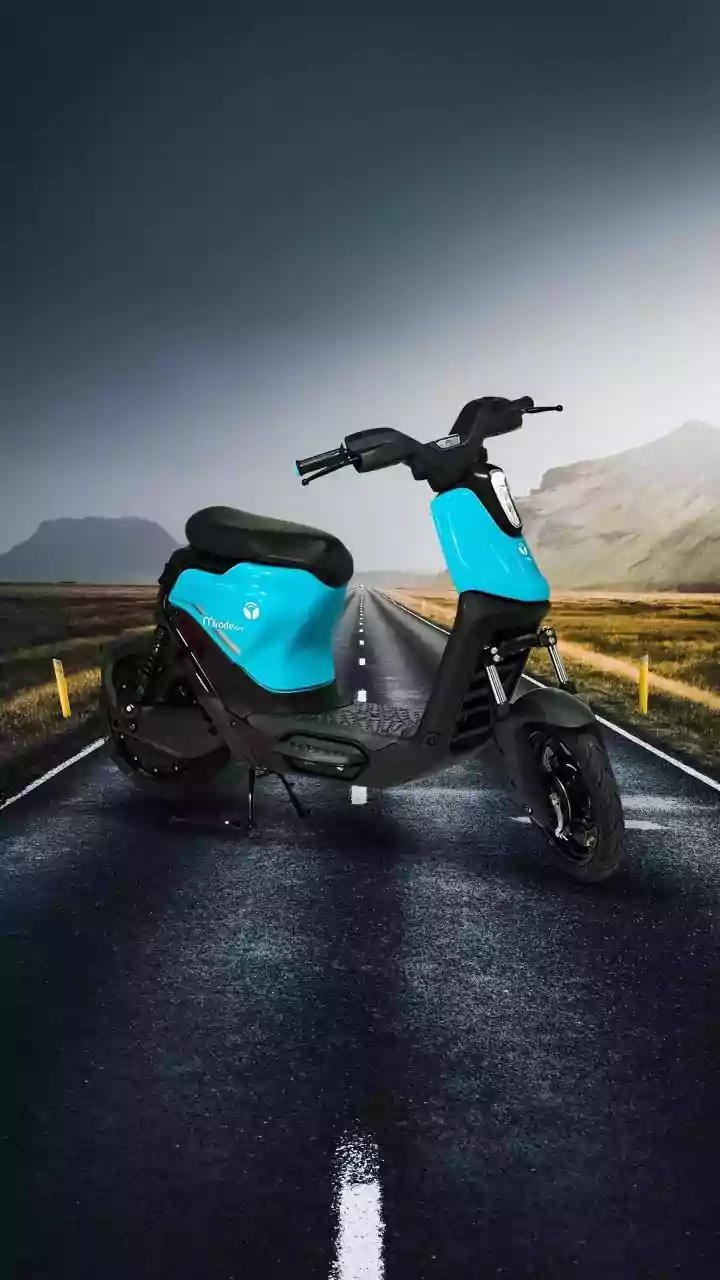
So, if sodium-ion is cheaper, is it as good? The main trade-off is energy density. Currently, sodium-ion batteries store less energy per kilogram than their lithium-ion counterparts. This means that for a long-range electric car, a sodium-ion battery pack would be heavier and bulkier to achieve the same range. However, for the Indian market's dominant segment—two-wheelers and three-wheelers used for city commutes and last-mile delivery—this is less of a concern. What these batteries lack in density, they make up for in other areas. They are generally considered safer, with a lower risk of fire, and perform better in extreme temperatures, a crucial factor for Indian climatic conditions. They also boast a potentially longer cycle life, meaning they can be charged and discharged more times before they degrade.
India's 'Desh Ki Battery' Moment
The Indian government and several domestic companies are betting big on sodium-ion. Reliance New Energy acquired UK-based firm Faradion, a leader in Na-ion tech, while startups like IndiEnergy and GODI are making significant strides. IndiEnergy, a startup from IIT Roorkee, is even developing anodes for its batteries using hard carbon derived from agricultural waste like crop stubble, tackling pollution and creating a circular economy. Recent government statements confirm that Indian researchers have brought the technology to a high level of readiness, suggesting commercial production could be just two to three years away. This push for domestic manufacturing aligns perfectly with the 'Make in India' initiative, promising to reduce import dependency and build a resilient local supply chain.
The Road Ahead to Cheaper EVs
While prototypes are promising and pilot projects are underway, sodium-ion batteries are still in the early stages of mass commercialization. The manufacturing processes, while similar to lithium-ion, need to be scaled up to achieve the projected cost savings. The initial market focus will likely be on stationary energy storage for the power grid, where weight is not an issue, and in electric three-wheelers and two-wheelers. As production volumes increase and the technology matures between 2026 and 2028, the cost benefits are expected to trickle down to consumers, making the dream of an affordable electric scooter or motorcycle a reality for millions.