







Why Monsoon Wreaks Havoc on Flights
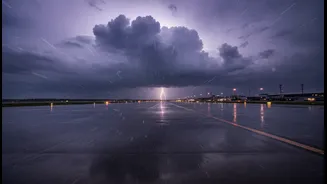
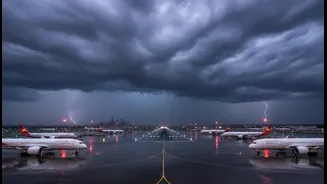
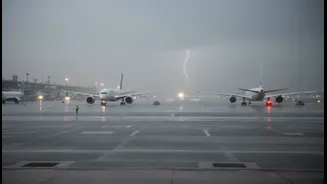
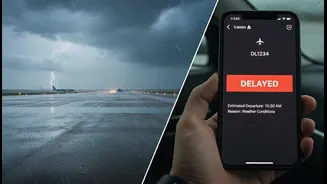
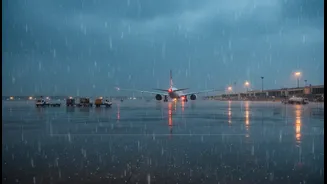
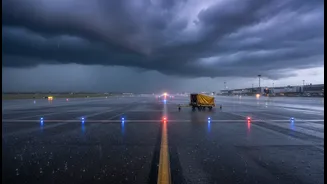
Understanding why your flight is delayed is the first step to planning for it. During the monsoon, several weather factors conspire against on-time departures. Heavy rainfall can lead to low visibility for pilots and waterlogging on runways and taxiways,
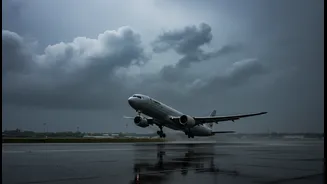
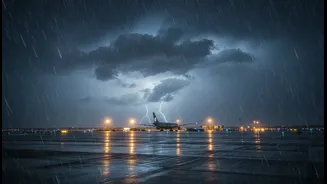
slowing down aircraft movement. Thunderstorms are a major hazard, as planes cannot safely take off or land during active lightning. Strong crosswinds can also make landings difficult, sometimes forcing flights to divert to other airports. The cumulative effect of these issues at busy airports like Kolkata's Netaji Subhas Chandra Bose International Airport means that even a small morning delay can snowball, causing a cascade of disruptions throughout the day.
The 'Buffer Time' Equation: How Much Is Enough?
The golden rule of monsoon travel is to build in extra time. But how much? A good starting point is to add a buffer at every stage of your journey. First, allow extra time for your journey to the airport. Waterlogging can cause severe traffic jams, turning a 30-minute drive into an hour-long ordeal. For the flight itself, booking early morning departures is a wise strategy, as heavy rain and storms are more common in the afternoon and evening. If you have a connecting flight, a buffer of at least three hours is recommended, especially when flying through major hubs like Kolkata, which are prone to weather disruptions. For critical travel, arriving a day early might be the safest buffer of all.
Stay Informed: Proactive Tracking Is Key
Don't wait until you're at the airport to find out your flight is delayed. Airlines are now proactive in issuing travel advisories during periods of bad weather. Before you even leave for the airport, check your flight status on the airline's official website or mobile app. These are the most reliable sources for real-time information on delays, cancellations, or gate changes. Following your airline's social media accounts can also provide quick updates. Many airlines, including IndiGo, SpiceJet, and Air India, use platforms like X (formerly Twitter) to warn passengers about potential disruptions.
Your Rights When a Flight Is Disrupted
When a flight is delayed or cancelled due to weather, it's considered a 'force majeure' event, meaning it's beyond the airline's control. While this exempts them from paying monetary compensation, they still have a duty of care to passengers under Directorate General of Civil Aviation (DGCA) rules. For significant delays, airlines are generally required to provide meals and refreshments. If your flight is cancelled, the airline must offer you the choice between a full refund or an alternative flight. In cases of very long or overnight delays, they may also be required to provide hotel accommodation and transport. It's important to know your rights and politely ask the airline staff for these facilities if they are not offered proactively.
Pack Smart for a Disrupted Journey
Packing your carry-on bag strategically can make a huge difference if you end up stranded at an airport. Assume your journey might take longer than planned. Key essentials include a powerful power bank to keep your phone charged, as it's your primary tool for updates. Pack some non-perishable snacks and a refillable water bottle, as airport food courts can get crowded and expensive during mass delays. A change of clothes, any essential medications, and a compact umbrella are also must-haves. Keeping your electronics and important documents in zip-lock bags can protect them from the rain during transit to and from the airport.