
Your Balcony is a Vital Pit Stop
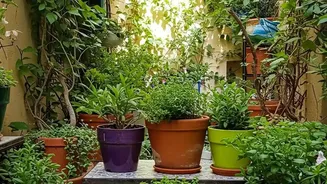
In a sprawling city, your balcony might seem like an isolated patch of green. But to a butterfly, bee, or sunbird navigating a landscape of concrete and glass, it can be a lifeline. Urban ecologists refer to these small green spaces as 'habitat islands'
or 'stepping stones'. When several apartment balconies in an area feature native, food-bearing plants, they form a connected corridor that allows these crucial pollinators to travel, feed, and rest, helping to sustain their populations in an otherwise challenging environment. This network of mini-habitats is vital for maintaining urban biodiversity.
The Power of Going Native
Why choose native plants over more common exotic ornamentals? The benefits are significant. Native plants have evolved for thousands of years in the local climate and soil. This means they are naturally resilient to regional weather patterns, require less water, and are less dependent on chemical fertilisers and pesticides. Most importantly, they have a deep, co-evolved relationship with local wildlife. Their flowers provide the specific type of nectar local bees and butterflies need, their leaves may be food for caterpillars, and their seeds can feed birds. By planting native species, you are providing a complete, high-quality food source that supports the entire life cycle of local fauna.
Nectar-Rich All-Stars for Indian Balconies
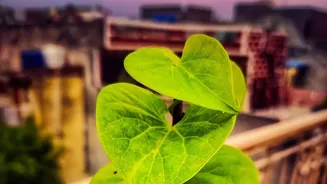
Ready to turn your balcony into a pollinator paradise? Start with plants known for their generous nectar supply. Hibiscus, with its large, colourful blooms, is a classic favourite for attracting sunbirds and bees, and it adapts very well to container life. Marigolds (Genda) are another easy-to-grow option whose bright yellow and orange flowers are a magnet for pollinators and are tolerant of Indian climate conditions. For a beautiful climber, consider Aparajita (Butterfly Pea), whose vivid blue flowers are beloved by butterflies. Fragrant options like Jasmine (Mogra/Chameli) and Holy Basil (Tulsi) not only add a beautiful scent to your home but also attract beneficial insects when they flower. Other excellent choices include Ixora, Tecoma (Yellow Bells), and Bottlebrush, many of which are available in dwarf varieties perfect for pots.
Creating a Welcoming Habitat
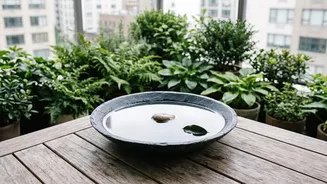
Beyond planting the right flowers, a few simple touches can make your balcony even more inviting to wildlife. First, avoid using chemical pesticides, which can be harmful to the very pollinators you wish to attract. Many pest issues can be managed with natural or organic solutions. Second, provide a source of water. A shallow dish with a few pebbles or marbles in it can serve as a safe drinking and bathing spot for birds and bees. Finally, don't be afraid of a little wildness. Allowing some plants to go to seed or leaving a few fallen leaves can provide food and shelter. A mix of plants that bloom in different seasons will ensure a year-round food supply for your winged visitors.
More Than Just Pretty Flowers
The rewards of a biodiversity-focused balcony garden extend far beyond aesthetics. There is a profound sense of connection that comes from watching a sunbird sip nectar from a hibiscus flower you planted, or seeing a butterfly lay its eggs on a host plant. It transforms the act of gardening from a simple hobby into a meaningful contribution to your local ecosystem. For families, it's a fantastic educational tool, offering a firsthand look at the web of life. It’s a chance to actively participate in conservation and find a deeper connection with nature, right from the comfort of your home.