
Instead of Dubrovnik, Try Šibenik
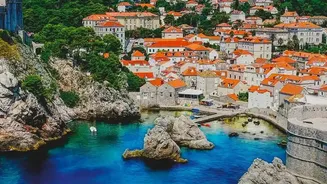
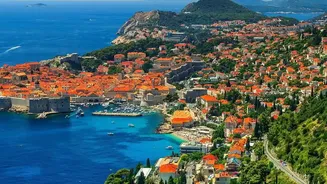
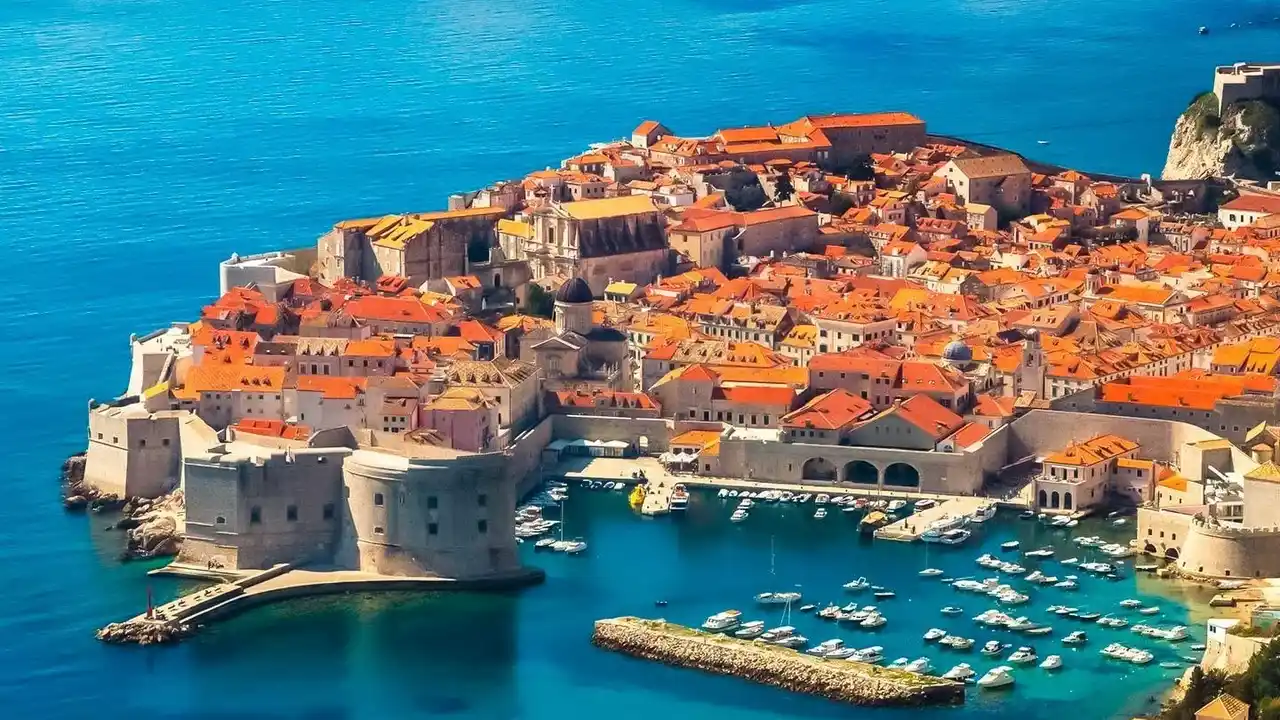
Dubrovnik, the 'Pearl of the Adriatic', is undeniably stunning, but its fame, amplified by its role in 'Game of Thrones', has led to overwhelming crowds, especially when cruise ships are in port. The narrow streets of its UNESCO-listed Old Town can feel
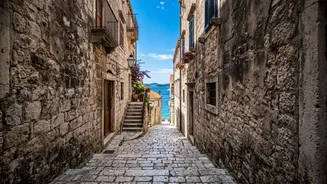
more like a theme park than a living city, with over 32 tourists for every local resident in recent years. For a more authentic and relaxed medieval city experience, head north to Šibenik. This historic gem boasts not one, but two UNESCO World Heritage sites: the magnificent Cathedral of St. James and St. Nicholas' Fortress. Šibenik's labyrinthine old town offers the same enchanting stone alleys and Adriatic views but with a fraction of the crowds, allowing you to soak in the atmosphere and enjoy a harbourside meal in peace.
Instead of Hvar Town, Visit Vis Island
Hvar Town has a reputation as Croatia’s glamour and party hotspot, with superyachts in the harbour and buzzing nightlife. However, this comes with exorbitant prices for accommodation and drinks, and a scene that isn't for everyone. For a more authentic and tranquil island escape, take a ferry to Vis. As a former Yugoslav military base, Vis was closed to foreign visitors until 1989, which preserved its unspoiled charm. The island offers a serene atmosphere with secluded beaches like the world-famous Stiniva Cove, traditional 'konoba' taverns run by local families, and a pace of life that feels a world away from Hvar's summer frenzy. Rent a scooter and explore its vineyards, olive groves, and the charming fishing village of Komiža.
Instead of Split's Riva, Explore Zadar's Waterfront
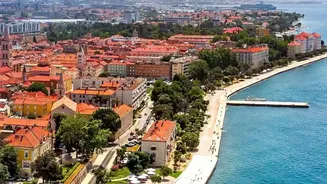
Split's main attraction is Diocletian's Palace, a living Roman ruin that forms the core of its Old Town. While historically fascinating, the palace and the adjoining Riva promenade can become incredibly congested with tour groups and foot traffic. For a different kind of seaside city energy, Zadar is a fantastic alternative. Zadar's Old Town, set on a peninsula, is rich with Roman ruins and medieval churches but feels more like a lived-in city. Its real standout is the modern waterfront, home to two unique art installations: the Sea Organ, which creates hauntingly beautiful music from the movement of the waves, and the Greeting to the Sun, a massive solar-powered circle that lights up at night. It’s a captivating and less frantic alternative for enjoying an Adriatic sunset.
Instead of Plitvice Lakes, Head to Mljet National Park
Plitvice Lakes National Park is a natural wonder of cascading turquoise lakes and waterfalls. However, its immense popularity means high entrance fees (over €40 in peak season) and crowded boardwalks that can detract from the serene experience. As a stunning alternative, consider Mljet National Park, located on what is often called Croatia's greenest island. Easily reachable by ferry from Dubrovnik, the park is centered around two interconnected saltwater lakes with crystal-clear water perfect for swimming and kayaking. You can cycle the paths around the lakes and take a small boat to the 12th-century Benedictine monastery on St. Mary's Island. It offers breathtaking nature with a sense of peace that Plitvice can no longer guarantee in high summer.
Instead of Rovinj, Discover Istria's Hilltop Towns
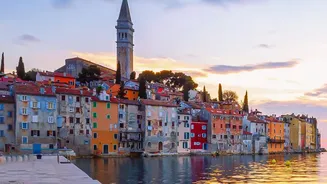
Rovinj is one of Istria's most picturesque coastal towns, with its colourful houses and Venetian-style bell tower. Unfortunately, its charm has also led to it becoming a bit of a tourist trap, with streets lined with overpriced souvenir shops that lack local character. To find the true soul of Istria, redirect your tour inland to the region's enchanting hilltop towns. Explore Motovun, a medieval walled town famous for its film festival and surrounding truffle forests, or Grožnjan, a once-abandoned village now thriving as an artists' colony filled with galleries and studios. These towns offer breathtaking views over vineyards and valleys, authentic food, and a timeless atmosphere far from the coastal crowds.