




The New Rules of the Road
On September 30, 2026, the Indian government notified the third phase of its Corporate Average Fuel Economy norms, better known as CAFE-3. These regulations, set to take effect from April 1, 2027, are not about individual cars but the entire fleet a manufacturer
sells annually. Think of it like a class average for a school: a company can sell some less efficient, heavier SUVs, but it must balance them by selling enough highly efficient smaller cars, hybrids, or EVs to meet an overall target. This fleet-wide average fuel consumption limit will get progressively stricter each year, demanding an approximate 16.7% improvement in overall efficiency by March 2032. For a carmaker with an average fleet weight, the target will tighten from about 94.8 g of CO2 per kilometre in FY28 down to 78.9 g/km in FY32. This marks a significant leap in the country’s mission to reduce emissions and fuel consumption.
The Billion-Rupee R&D Challenge
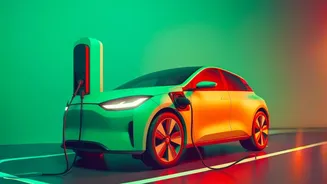
Meeting these stringent targets is a monumental task for automakers, triggering a seismic shift in research and development (R&D) priorities. The era of relying solely on conventional petrol and diesel engines is drawing to a close. To comply, companies must pour massive investments into a diverse range of new technologies. This includes developing more efficient engines, lightweight materials, and advanced transmissions. However, the biggest push will be towards electrification and alternative fuels. The new rules heavily incentivize this shift. For instance, each battery electric vehicle (BEV) sold will count as three vehicles when calculating the fleet average, a mechanism known as 'super credits'. Strong hybrids and flex-fuel vehicles also receive significant weightage. This forces manufacturers to accelerate their EV and hybrid development pipelines, a costly and complex undertaking that involves everything from battery sourcing to creating new vehicle platforms.
Reshaping the Showroom Floor
The economic pressures of CAFE-3 will directly influence the types of cars available to Indian consumers. Models that are too expensive to upgrade to meet the new norms may be phased out entirely. The industry has already seen a decline in the dominance of diesel engines in smaller cars following previous emission updates, and CAFE-3 could accelerate that trend, potentially limiting diesel to larger SUVs and commercial vehicles. Conversely, expect to see a wider array of hybrid and electric options in showrooms. The rules also provide credits for incorporating specific fuel-saving features like start-stop systems, regenerative braking, and LED lighting, which are likely to become standard across more models. While an earlier draft of the rules considered special concessions for small, lightweight cars, the final notification removed this, though the formula does provide slightly softer targets for lighter vehicles compared to heavier ones, aiming for a more balanced approach.
The Bottom Line for Your Wallet
Ultimately, these new regulations will impact the price tag of your next vehicle. The massive R&D spending and integration of expensive technologies like hybrid systems, advanced sensors, and batteries will inevitably be passed on to the consumer. Industry estimates for similar upcoming emission norms like BS7 suggest price hikes ranging from ₹30,000 to over ₹1,00,000, depending on the car's segment and the complexity of the required upgrades. While the upfront cost may be higher, the long-term benefit is a more fuel-efficient vehicle that saves money on running costs and contributes to cleaner air. For manufacturers who fail to meet their targets, the penalties can be steep. Under the new rules, they can either trade credits with compliant automakers or purchase them from the Bureau of Energy Efficiency at a price that increases annually, starting at ₹2,500 per gram of CO2/km in FY28.