







The Rulebook Every Flyer Should Know
Your rights as an air passenger in India are not just airline policy; they are mandated by law. The Directorate General of Civil Aviation (DGCA) lays out these rules in a document called the Civil Aviation Requirements (CAR). Specifically, Section 3,
Series M, Part IV is the passenger's best friend, detailing airline obligations for delays, cancellations, and denied boarding. These aren't goodwill gestures; they are legally binding requirements for every airline operating within, to, or from India. Understanding this framework is the first step to ensuring you receive what you are owed when your journey hits a snag.
For Delays, It's Care, Not Cash
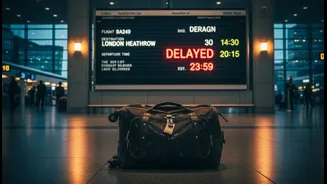
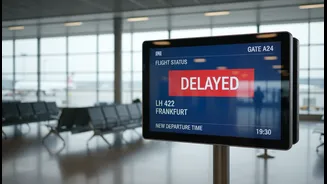
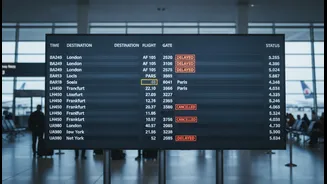
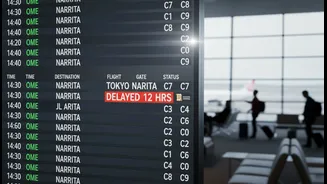
Here's the first major reality check: in India, you are not entitled to cash compensation just because your flight is late. Instead, the DGCA mandates a 'duty of care' from airlines, which escalates with the length of the delay. If your flight is delayed by two hours or more, the airline must provide you with free meals and refreshments at the airport. If the delay stretches to six hours or more, your rights expand significantly. At this point, the airline must offer you the choice of an alternative flight or a full refund of your ticket. For overnight delays, especially those affecting flights scheduled between 8 p.m. and 3 a.m., the airline is obligated to provide free hotel accommodation along with transfers to and from the airport.
When a Cancellation Happens
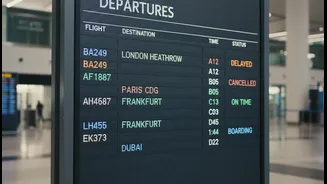
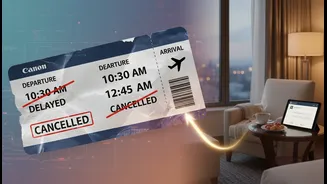
If an airline cancels your flight, your entitlements depend on how much notice you were given. If you are informed of the cancellation less than two weeks but more than 24 hours before your departure, the airline must offer you an alternative flight or a full refund, based on your preference. However, if the airline gives you less than 24 hours' notice, you are entitled to financial compensation in addition to a full refund or a re-booked flight. This compensation can be up to ₹10,000, depending on the block time of the original flight. If you only find out about the cancellation after arriving at the airport, the airline must also provide meals and refreshments while you wait.
Denied Boarding Due to Overbooking
Airlines sometimes sell more tickets than available seats, which can lead to you being denied boarding despite having a confirmed ticket. In this scenario, the airline must first ask for volunteers to give up their seats in exchange for benefits. If you are involuntarily bumped off the flight, you are entitled to significant compensation. If the airline arranges an alternate flight scheduled to depart within one hour of your original flight, no compensation is owed. However, for longer waits, you could be eligible for compensation up to 400% of your one-way base fare plus fuel surcharge, capped at a maximum of ₹20,000. This is in addition to being provided with an alternate flight or a full refund.
The 'Extraordinary Circumstances' Clause
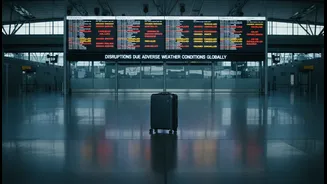
Airlines are not required to pay financial compensation for disruptions caused by 'extraordinary circumstances'. This legal escape clause covers situations beyond the airline’s control, such as severe weather, political instability, security risks, or air traffic control strikes. This is a crucial piece of the 'reality check'. However, this clause only absolves the airline from paying cash compensation for cancellations or denied boarding. It does not exempt them from their duty of care. Even if your flight is grounded due to fog or heavy rain, the airline must still provide you with meals, refreshments, and hotel accommodation for overnight waits as per the standard delay rules.
How to Claim Your Rights
To claim your entitlements, start by speaking with the airline's staff at the airport. If you don't get a satisfactory response, file a formal complaint through the airline's official website or customer service channels. Always keep your documents handy: your boarding pass, ticket, and any SMS or email notifications about the disruption are crucial evidence. If the airline fails to resolve your issue within 30 days, you can escalate your complaint to the DGCA through the official AirSewa portal or mobile app. This government platform is designed to be the next step for passenger grievance redressal.