

The 'Protein Push': What's It All About?
The conversation around protein in India is shifting. For years, the focus was on carbohydrates and fats, but a 'protein push' is underway, driven by a rising awareness of its crucial role in overall health. This isn't about expensive supplements, but about tackling
widespread deficiency and improving wellness. Studies have shown that a significant portion of the Indian population consumes inadequate protein. Many diets, while filling, are predominantly cereal-based, meaning they might lack the quality and quantity of protein needed for everything from muscle maintenance and a strong immune system to healthy hair and sustained energy levels. The push, therefore, is to re-evaluate our traditional plates—not to replace them, but to enhance them by making protein a conscious priority in every meal.
Understanding Your Protein Needs
So, how much protein do you actually need? The Indian Council of Medical Research (ICMR) provides clear guidelines. For a healthy but sedentary adult, the recommendation is about 0.8 to 1 gram of protein per kilogram of body weight. For a person weighing 60 kg, this translates to roughly 48 to 60 grams of protein daily. This requirement changes based on age, gender, and activity level, with pregnant women, children, and highly active individuals needing more. Unfortunately, surveys suggest many Indians, especially those on vegetarian diets, might be consuming much less, sometimes only getting around 35 grams a day. The gap isn't about a lack of options, but often a lack of awareness about which foods are true protein powerhouses.
Power-Up Your Breakfast
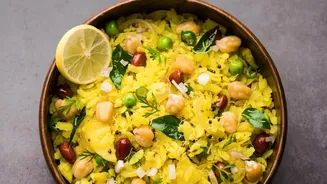
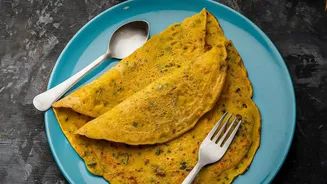
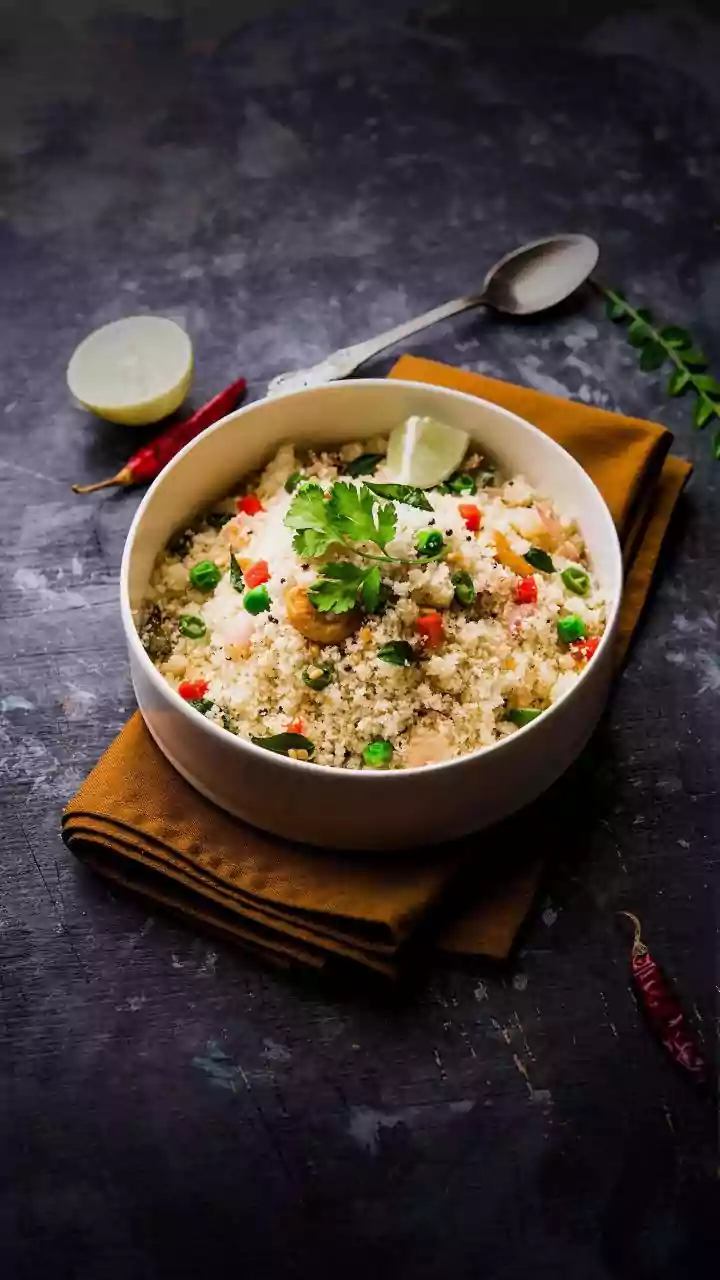
Breakfast is the perfect place to start boosting your protein intake. Instead of a simple carb-heavy meal, small tweaks can make a huge difference. A popular choice like poha or upma can be enriched with a handful of roasted peanuts or sprouted lentils. If you prefer parathas, try stuffing them with paneer (cottage cheese) or sattu (roasted gram flour) instead of just potatoes. A besan (chickpea flour) cheela is an excellent high-protein option, especially when served with a side of curd. Two besan chillas with curd can provide around 20 grams of protein. For those who eat eggs, two boiled eggs or a simple omelette is a quick and easy way to add about 12-14 grams of high-quality protein to your morning.
Reimagining the Lunch Thali
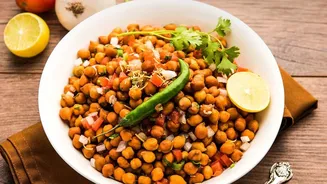
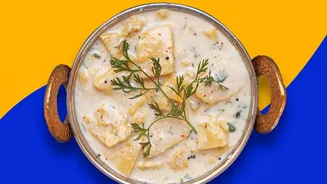
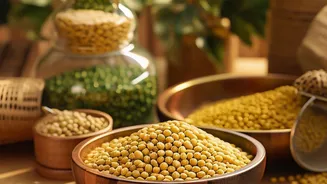
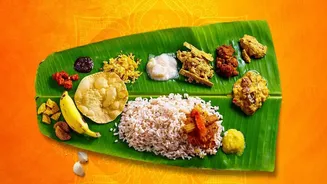
The traditional Indian thali is already well-designed, but a protein-focused mindset can optimize it further. The star of a protein-rich thali is often dal. A single cup of cooked dal can offer around 8 grams of protein, but ensure it's cooked thick, not watery. Pair this with a portion of paneer sabzi (100g of paneer contains about 18-20g of protein) or a curry made with soya chunks, which are a protein heavyweight at about 52g of protein per 100g (dry). Other fantastic additions include curries made from rajma (kidney beans) or chana (chickpeas), which provide both protein and filling fibre. Simply ensuring that a quarter of your plate is dedicated to one of these protein sources is a great rule of thumb.
Smart Snacking and Dinner Choices
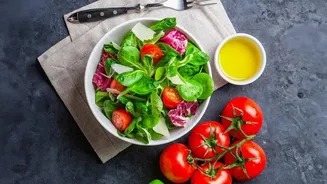
Snack time is often where diets go wrong, but it can be an opportunity to top up your protein. Swap fried snacks for a handful of roasted chana or peanuts. A bowl of thick curd or a glass of lassi are also excellent and cooling protein sources. For dinner, you can continue the principles from lunch. A mixed-dal kootu or a thick sambar are delicious and protein-packed options, common in South Indian cuisine. A simple chickpea salad with chopped vegetables or a paneer tikka made at home can serve as a light but satisfying dinner, delivering a solid dose of protein without feeling too heavy before bed.
Embrace India's Food Diversity
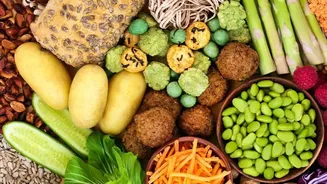
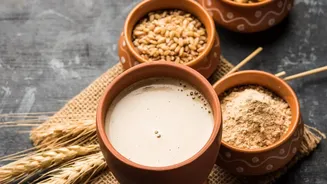
Meeting your protein goals is a brilliant chance to explore the vast diversity of Indian cuisine. Don't forget about millets like jowar, bajra, and ragi, which can be used to make rotis, adais, or dosas, offering more protein than refined wheat flour. Legumes are not just limited to toor dal; experiment with moong (green gram), masoor (red lentil), and urad dal. Sprouting lentils before cooking them can also enhance their nutritional value. The key is variety. By rotating different dals, legumes, vegetables, and grains, you not only get a wider range of nutrients but also a more complete amino acid profile, ensuring your body gets all the benefits protein has to offer.