





The New Weeknight Reality
The rhythm of daily life has changed. For many, the lines between office hours and home life have blurred, creating a need for more efficient household routines. This shift has put a spotlight on the weeknight dinner, transforming it from a time-consuming
chore into an opportunity for optimisation. People are no longer willing to sacrifice health for convenience, or spend hours in the kitchen after a long day. The result is a collective move towards strategies that deliver wholesome food without the traditional time commitment. This isn't about cutting corners, but rather about cooking smarter. It involves a mindset shift, where a little planning on the weekend can free up valuable time during the week, reducing stress and bypassing the temptation of unhealthy takeaways.
Gadgets That Do the Heavy Lifting
A major driver of this efficiency trend is the rise of smart kitchen appliances. Gadgets like air fryers, multicookers (such as Instant Pots), and high-speed blenders are no longer niche items but mainstream kitchen staples. In India, the air fryer market has seen significant growth, driven by consumers looking for healthier, oil-free cooking methods that don't sacrifice texture. These appliances drastically reduce active cooking time. A multicooker can cook dals, rice, or curries with the press of a button, while an air fryer can roast vegetables or grill a piece of chicken in a fraction of the time it would take in an oven, and with minimal supervision. This allows for multitasking, freeing people to handle other tasks while dinner essentially cooks itself.
Meal Prepping Goes Mainstream
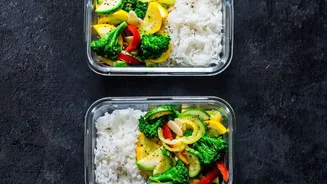
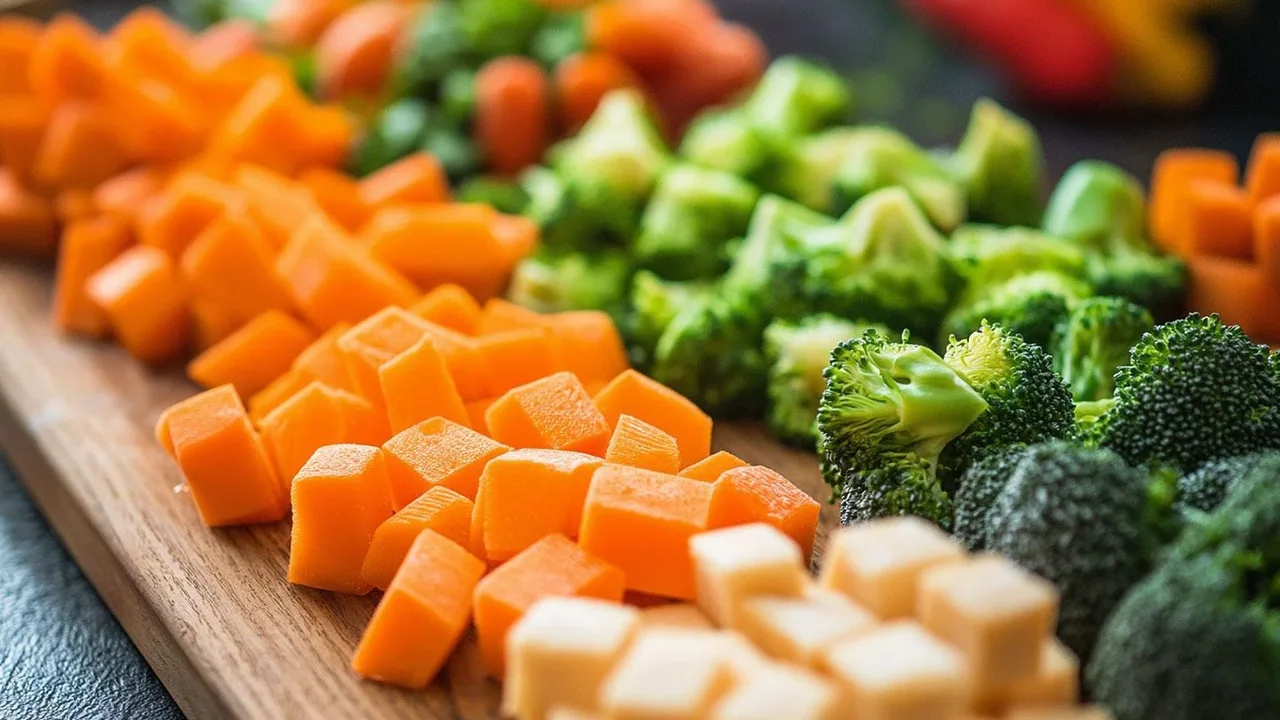
Once seen as the domain of fitness enthusiasts, meal prepping has become a widespread strategy for anyone looking to save time. The concept is simple: dedicate a block of time, typically on a weekend, to prepare ingredients for the week ahead. This can be as simple as chopping vegetables, marinating proteins, or cooking a large batch of grains like quinoa or brown rice. Storing these components in the fridge makes assembling a healthy meal on a Tuesday night a quick 15-minute task instead of an hour-long project. Some people take it a step further by batch-cooking entire meals—like a large pot of rajma or a vegetable stew—to be portioned out for several days. This 'cook once, eat twice' philosophy is a cornerstone of time-efficient eating.
The Smart Shortcut: Healthy Meal Kits
For those who are truly pressed for time, a growing market of healthy meal subscriptions offers a powerful solution. In India, this sector is booming, with companies delivering pre-portioned ingredients for a specific recipe or even fully cooked, calorie-counted meals. These services cater to a variety of dietary needs, from vegan to keto and high-protein diets. They eliminate the mental load of meal planning and grocery shopping, which are often the biggest hurdles to home cooking. While traditionally more expensive than cooking from scratch, many find the convenience and reduction in food waste make it a worthwhile investment, especially when compared to the cost of ordering from restaurants.
Rethinking the Quick Meal
The definition of a 'quick meal' is also evolving. It no longer has to mean instant noodles or other highly processed options. Techniques like one-pan or sheet-pan dinners, where protein and vegetables are roasted together on a single tray, are gaining popularity for their flavour and minimal cleanup. Using quick-cooking ingredients is another key strategy. Lentil pastas, quick-cooking grains like couscous, and pre-washed salads form the base of many modern healthy meals that can be put together in under 20 minutes. Even using high-quality prepared items like jarred pasta sauces or pre-made marinades can be a healthy shortcut that saves significant time.