


Understand November's Unique Challenges
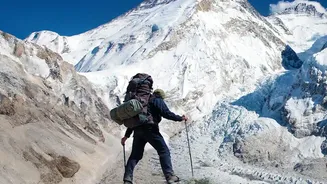
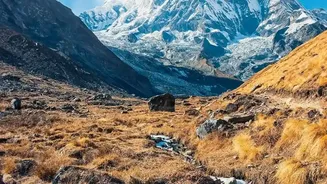
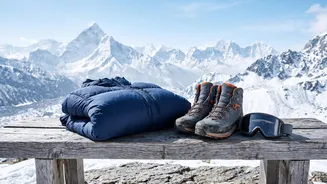
November is widely considered one of the best trekking months, as the monsoon has passed, leaving landscapes clean and skies exceptionally clear. Daytime temperatures in popular trekking areas can be pleasant, but the transition to winter is underway.
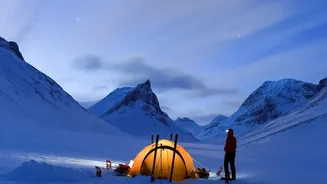
This means temperatures can plummet dramatically, especially at night and at higher altitudes, often falling well below freezing. While trails are generally dry, be prepared for the possibility of early snowfall, which can close high passes with little warning. Your planning must account for this volatility; what starts as a sunny day can quickly become a serious cold-weather situation.
Acclimatisation Is Non-Negotiable
Altitude sickness, or Acute Mountain Sickness (AMS), is a primary health risk when trekking in the Himalayas. It can affect anyone, regardless of age or fitness level, typically at elevations above 8,000 feet (2,500 meters). Symptoms include headache, nausea, dizziness, and fatigue. The golden rule is to ascend slowly to allow your body to adapt to the lower oxygen levels. Plan your itinerary with 'rest days' for acclimatisation, especially before crossing high passes. Never continue to ascend if you are experiencing symptoms of AMS. If symptoms worsen, the only effective treatment is to descend immediately to a lower altitude.
Build a Redundant Communication Plan
Do not rely on your mobile phone. While major trekking hubs and lower-altitude trails may have intermittent cell service, coverage is unreliable and often disappears completely in remote valleys or during storms. For true safety, a satellite communication device is a critical piece of gear. Options like a Garmin inReach or a ZOLEO allow for two-way texting and, most importantly, have an SOS button to signal for help with your exact GPS coordinates in a serious emergency. Inform family or friends of your itinerary and establish a check-in schedule before you leave.
Get Specialised Travel Insurance
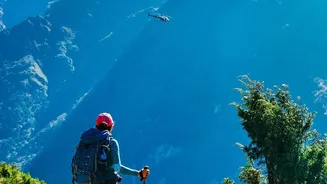
Standard travel insurance policies are often inadequate for Himalayan trekking. You must have a policy that explicitly covers high-altitude trekking up to the maximum elevation you plan to reach. Crucially, your insurance must include helicopter evacuation and search-and-rescue services. In the remote corners of the Himalayas, a helicopter is often the only way to get to a hospital in a life-threatening emergency. Read the fine print carefully. Providers like World Nomads and others offer specialised policies designed for mountaineering and high-altitude adventures.
Pack a Purpose-Built Emergency Kit
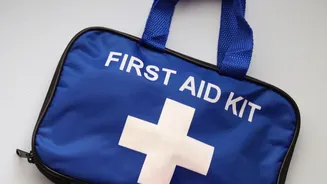
While your trekking agency's guide will carry a first-aid kit, you should always have your own personal kit tailored to your needs. Beyond basic bandages and antiseptic wipes, your Himalayan kit should include blister pads, pain relievers, and medication for diarrhea. Also include any personal prescription medications. A crucial addition is a small medical kit for altitude sickness, which may include Diamox (acetazolamide) for prevention, but only after consulting your doctor. Other emergency essentials include a headlamp with extra batteries, a water purification system, a reflective emergency blanket or bivy sack, and a power bank to keep your devices charged.
Trust in Local Expertise
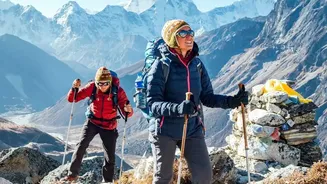
Hiring a qualified local guide and porter is one of the most effective safety measures you can take. They possess invaluable knowledge of the terrain, weather patterns, and safe acclimatisation schedules. In an emergency, a local guide is your first and most important line of response, able to communicate with local rescue services and coordinate an evacuation. They are trained to recognise early signs of altitude sickness and can make critical decisions about turning back when conditions become unsafe. Ensure your trekking agency has robust safety protocols, including carrying supplemental oxygen and having clear emergency procedures.