




Understanding Karats: A Quick Guide
Before diving into the comparison, it's important to understand what 'karat' (K) means. Karat is the unit used to measure the purity of gold. The scale runs from 0 to 24. Therefore, 24K gold is the purest form of gold available, while lower karats signify
that the gold has been mixed with other metals, known as alloys. For instance, 22K gold means 22 parts are pure gold and the remaining two parts are other metals. This alloy mix isn't a drawback; it's intentionally done to enhance the metal's strength and durability for crafting jewellery.
The Case for 24K Gold: Absolute Purity
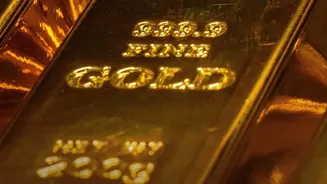
24-karat gold is 99.9% pure, making it the highest purity you can find. This gives it a distinct, bright yellow colour that is unmatched. Because of its purity, 24K gold is considered the best option for investment purposes. Investors often purchase it in the form of coins or bars because its value is directly tied to the market price of pure gold, with no deductions for other metals. However, this purity comes with a significant downside: softness. 24K gold is extremely malleable, which means it can bend, scratch, and deform easily, making it unsuitable for most forms of jewellery, especially pieces intended for regular wear.
The Appeal of 22K Gold: The Practical Standard
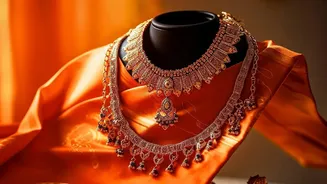
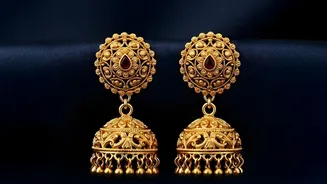
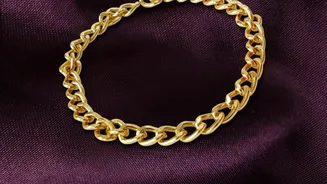
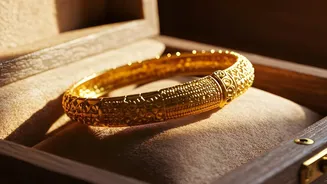
22-karat gold, also known as '916 gold', is composed of 91.67% pure gold, with the remaining 8.33% consisting of alloys like silver, copper, or zinc. This blend of metals makes 22K gold significantly harder and more durable than its 24K counterpart. This added strength is precisely why it is the preferred choice for making most types of gold jewellery in India, from intricate necklaces to sturdy bangles. It strikes an ideal balance, offering high gold content while being robust enough to withstand the rigours of daily life and hold detailed designs securely.
Durability and Design: Where 22K Shines
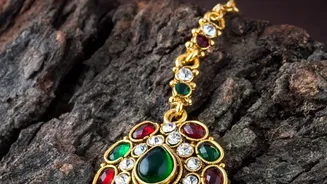
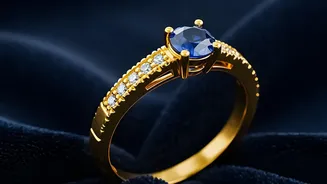
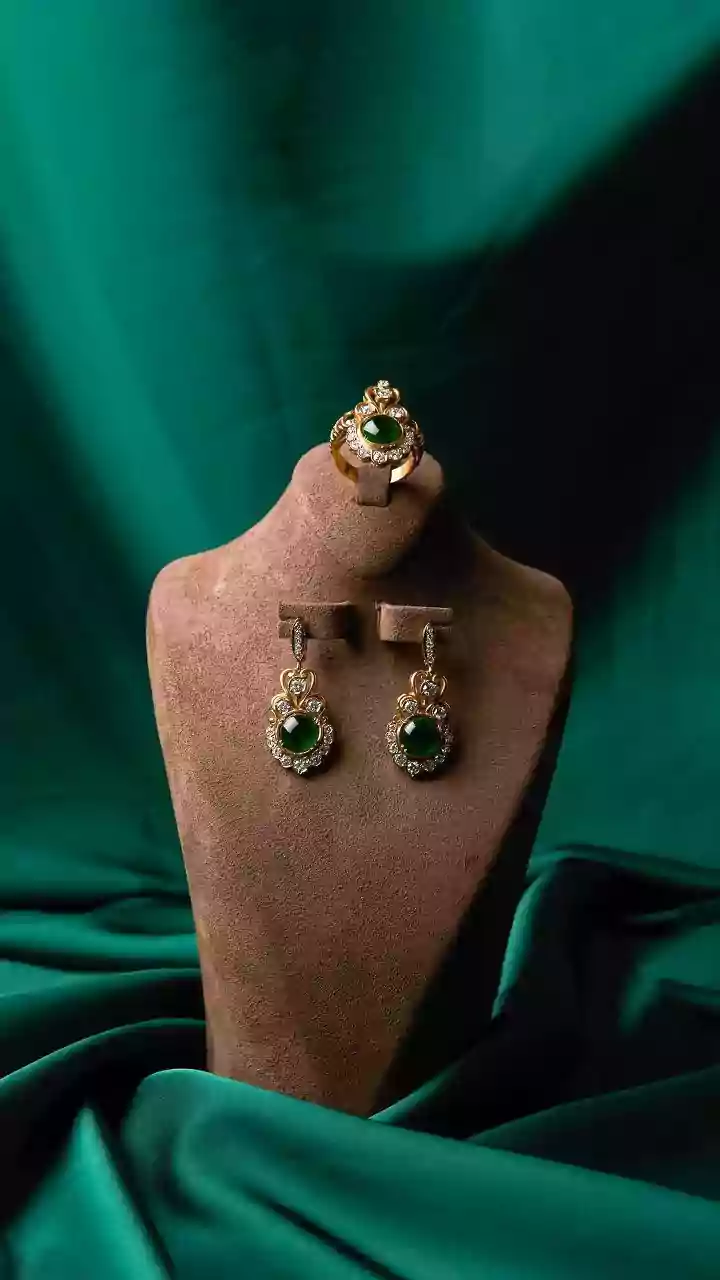
When it comes to jewellery that you plan to wear often, durability is non-negotiable. This is where 22K gold has a clear advantage. Its hardness prevents it from getting easily scratched or dented. Furthermore, the strength provided by the alloys makes it possible for artisans to craft intricate and delicate designs that would simply not hold their shape in softer 24K gold. If your jewellery includes precious stones, 22K gold provides a much more secure setting, as pure 24K gold is too soft to hold gems firmly in place over time.
Cost, Resale, and Making Charges
Naturally, 24K gold is more expensive per gram than 22K gold because it contains more pure gold. However, the final price of jewellery involves more than just the gold rate. Jewellers add 'making charges,' which are costs for the craftsmanship involved, and these can range from 3% to over 25% of the gold's value. These charges are applied to the gold value and are not typically recovered upon resale. For resale, 24K gold bars and coins will fetch a price closer to the day's market rate. 22K jewellery also has a strong resale value due to its high gold content, but the original making charges are usually lost.
Matching the Gold to Your Goal
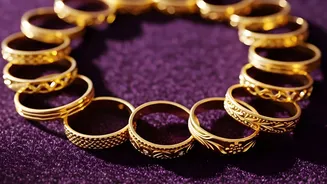
So, how do you decide? It all comes down to your primary reason for buying. For Pure Investment: If your goal is to store wealth or diversify your financial portfolio, 24K gold in the form of coins or bars is the undisputed winner. Its value is based purely on its weight and purity. For Daily Wear Jewellery: If you're looking for an engagement ring, bangles, or earrings for everyday use, 22K gold is the superior choice. Its durability ensures your jewellery will last. For Occasion and Wedding Jewellery: 22K gold is the standard for bridal and festive jewellery in India, offering the perfect blend of richness and strength for pieces that are both valuable and wearable. For Highest Resale Value as an Asset: While 22K jewellery resells well, 24K gold coins and bars are easier to liquidate at full market value because they are treated as a raw commodity.