



The Invisible Threat in Your Kitchen
When you leave cooked food uncovered, you're issuing an open invitation to a host of unwanted guests. The air in our homes, no matter how clean it seems, is filled with dust particles, airborne microbes, and tiny insects. These can easily settle on the
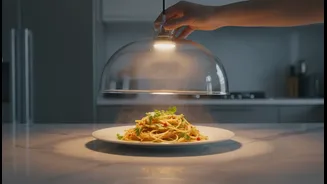
surface of your meal, contaminating it. This contamination is the first step towards food spoilage and, more seriously, foodborne illness. Covering your food creates a simple but effective physical barrier, protecting your hard-cooked meal from these external threats and keeping it safe for consumption.
Why Moisture is the Enemy
The headline specifically mentions moisture, and for good reason. Moisture is a key ingredient for bacterial growth. Hot, uncovered food releases steam. If left on the counter, the surrounding air can cause this moisture to condense back onto the food’s surface, creating a damp environment where bacteria thrive. This is especially true in India's humid climate. An ideal breeding ground is formed when this moisture combines with the ambient warmth of a kitchen. Bacteria can multiply at an astonishing rate in these conditions, turning a perfectly safe dish into a potential health hazard in a short period.
The Two-Hour Rule and the Danger Zone
Food safety experts worldwide refer to a critical temperature range called the “Danger Zone,” which is between 5°C and 60°C. Within this range, pathogenic bacteria can double in number every 20 minutes. Most cooked foods enter this zone as they cool down. The universal guideline is the “two-hour rule”: perishable food should not be left at room temperature for more than two hours. In warmer climates like India, where temperatures often exceed 32°C, this window shrinks to just one hour. After this time, the risk of harmful bacterial growth increases dramatically.
Debunking a Common Kitchen Myth
A common belief is that you shouldn't cover hot food immediately because it will cause it to spoil. This is a misunderstanding. While sealing a large, steaming pot of food tightly can trap heat and slow down the cooling process, leaving it completely open is far riskier. The best practice is a compromise. You don't have to wait for the food to be completely cold. Instead, you can transfer large quantities into smaller, shallow containers. This helps the food cool down much faster and more evenly. You can then loosely cover the containers to allow some heat to escape while still protecting the food from airborne contaminants before transferring them to the fridge.
Best Practices for Covering and Storing
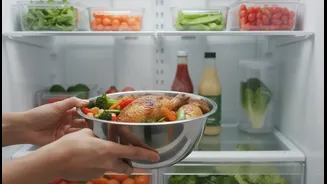
Properly storing your cooked meals is simple. Once cooked, aim to get your food into the refrigerator within the two-hour window. Use clean, airtight containers with well-fitting lids. This not only keeps bacteria out but also prevents the food from absorbing odours from other items in your fridge. If you are cooling a large dish, divide it into smaller portions first to speed up the cooling process. Allow food to cool slightly on the counter for about 20-30 minutes before refrigerating. Never place a very large, hot pot directly into the fridge, as it can raise the internal temperature, putting other foods at risk. Leftovers stored correctly are generally safe to eat for 3-4 days.