




The Manchester of South India
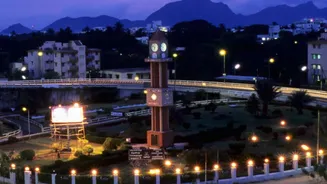
For any traveller passing through Coimbatore, the city presents a picture of modern, bustling energy. It is a major hub for industry, education, and healthcare in Tamil Nadu. Yet, beneath this contemporary surface lies a history that gave the city its
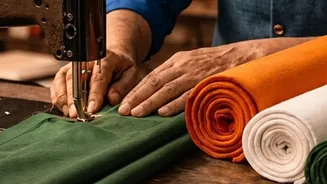
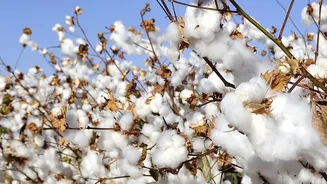
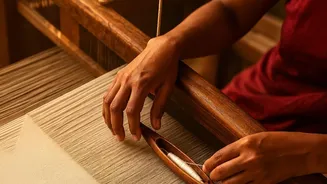
famous moniker: 'The Manchester of South India'. This title isn't just a quaint nickname; it’s a direct link to the city's past as a powerhouse of the textile industry. For over a century, Coimbatore's economy and culture have been shaped by the whirring of spinning mills and the craft of weavers, a legacy that grew from the region's fertile black soil, ideal for cultivating cotton. Understanding this history is key to appreciating the city's character, from its entrepreneurial spirit to the very layout of its markets and commercial centers.
The Rise of a Textile Giant
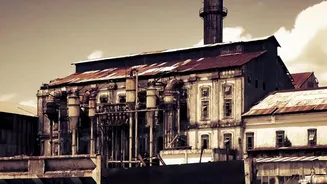
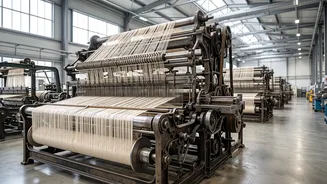
The seeds of Coimbatore's industrial revolution were planted in the late 19th century. In 1888, the first textile mill, the Coimbatore Spinning and Weaving Mills, was established by Sir Robert Stanes. However, the industry truly boomed in the 1920s and 1930s. The arrival of hydroelectric power from the Pykara project in 1932 provided abundant and cheap electricity, fuelling rapid industrialisation. Entrepreneurs seized the opportunity, importing machinery and setting up dozens of mills that transformed the region. This 'textile boom' not only created immense economic growth but also drew workers from all over, shaping the social and cultural landscape of the city for generations to come.
A Journey Through Time at a Special Museum
To truly connect with this past, a visit to the Kasthuri Sreenivasan Trust Art Gallery and Textile Museum is essential. Located on Avinashi Road, this cultural centre was founded by Kasthuri Sreenivasan, a pioneering textile scientist, to preserve and celebrate India's textile heritage. While it also houses a notable art gallery, its textile museum is a treasure trove for anyone curious about the city's defining industry. It is one of the few places that tells the craft side of the story, not just the industrial one. The museum offers a chronological journey through the evolution of textile technology, making it the perfect stop to add depth and context to a trip.
What You Will Discover Inside
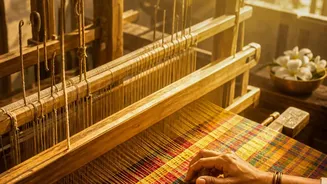
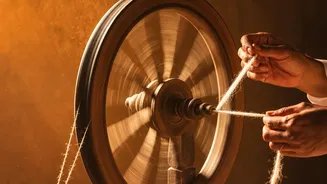
The textile section of the museum walks visitors through the history of spinning and weaving, from ancient tools like whorl wheels to the more modern machinery that powered the mills. Exhibits include models and, in some cases, actual machines like the Saxony spinning wheel from 1530 AD. It showcases the journey from hand-spun thread to industrial-scale production. Beyond the machinery, you can see a fascinating collection of textiles, including fabrics made from unusual fibres like banana and pineapple, and even a 1,000-year-old fabric from a Nigerian cave. This collection highlights not just the industrial process but the artistry and innovation in textiles that predated Coimbatore's mills.
Connecting Past to Present
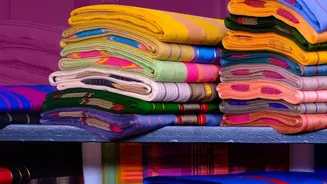
After spending an hour or two at the museum, your perception of Coimbatore will inevitably change. The bustling shops of Oppanakara Street, the names of old mills that are now major bus stops, and the ubiquitous presence of textile showrooms all take on a new meaning. You begin to see the threads connecting the historical displays to the modern economy. The famous lightweight Kovai cotton sarees, known for their comfort in the South Indian climate, are a living continuation of this heritage. A visit to the museum transforms a simple shopping trip into an appreciation of a long and proud tradition of craftsmanship and industry that defines the city's soul.