




The Quiet Rise of Cold Brew
For generations, the default way to make iced tea was to brew it hot and then chill it, often with a hefty dose of sugar to mask the bitterness. The cold brew method turns this process on its head. By steeping tea leaves in cold water for an extended
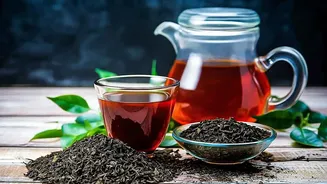
period—typically 8 to 12 hours—the flavour is extracted gently and slowly. The result is a remarkably different drink. Cold brewing extracts fewer tannins, the compounds that can give hot-brewed tea a bitter or astringent taste. This slow infusion creates a smoother, cleaner, and naturally sweeter flavour profile, revealing subtle notes that are often lost in the heat. This method also retains more antioxidants and contains less caffeine than its hot-brewed counterpart, making it a guilt-free choice for all-day hydration.
Why Nilgiri Is the Star of the Show
While any tea can be cold-brewed, teas from the Nilgiri mountains of Southern India are exceptionally suited for it. Grown at high altitudes in the 'Blue Mountains', Nilgiri teas are known for being fragrant, full-bodied, and having a balanced flavour with floral and fruity notes. Crucially, they are naturally low in the tannins that cause bitterness. This means that even when steeped for hours, Nilgiri tea produces a brew that is smooth and mellow. Another key characteristic is that Nilgiri tea remains crystal clear when chilled, unlike many other black teas that can turn cloudy. This visual appeal, combined with its inherent sweetness, makes it the perfect canvas for artisanal cold brews that often require little to no added sugar.
Meet India's Artisanal Tea Makers
The growing appreciation for high-quality, thoughtfully made products has given rise to a new generation of artisanal tea brands across India. These creators are moving away from mass-produced tea bags and focusing on the unique terroir of regions like the Nilgiris, Assam, and Darjeeling. Companies such as Tea Trunk, Dorje Teas, and No. 3 Clive Road are championing single-origin leaves and crafting unique blends that tell a story. They work closely with estates, sometimes family-run for generations, to source the finest leaves. For these brands, cold brew is not just a preparation method; it's a way to honour the delicate flavours of the leaf. By focusing on small-batch production and innovative blends featuring local spices, flowers, and fruits, they are redefining tea as a premium, experience-driven beverage.
A Healthier, More Mindful Sip
The success of cold-brewed Nilgiri tea is perfectly timed with a major shift in consumer behaviour in India. Health consciousness is on the rise, and with it, a strong movement away from sugary drinks. Reports show that the no-sugar soft drinks segment has grown dramatically, with sales doubling in recent years as consumers become more aware of the risks associated with high sugar consumption. Artisanal cold brews fit neatly into this trend. They offer a flavourful, sophisticated alternative to both sugary sodas and artificially sweetened diet drinks. As a naturally low-calorie, low-caffeine, and hydrating option, unsweetened cold brew tea is becoming a staple for those seeking wellness without sacrificing taste.
Beyond the Basic Brew
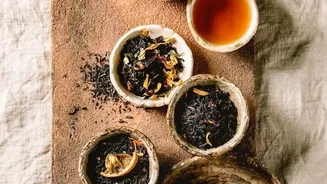
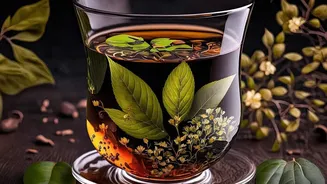
Artisanal makers aren't just stopping at pure Nilgiri tea. The versatility of its flavour profile makes it an excellent base for creative blends that reflect a modern Indian palate. We're seeing combinations with everything from hibiscus and lavender to traditional spices like cardamom and cloves. Some brands are infusing their Nilgiri cold brews with citrus peels, mint, or lemongrass to create even more refreshing concoctions perfect for India's warm climate. These blends offer complex, layered flavours that are impossible to find in a mass-market bottle. They represent a fusion of India's rich tea heritage with a contemporary, global outlook on beverages, celebrating both tradition and innovation in a single, chilled glass.