






Why You Need a Fridge Agreement
Before you start dividing up shelves, it’s important to understand why a formal (or even informal) agreement matters. Kitchen conflicts are one of the most common sources of friction in shared living situations. Establishing ground rules for the fridge
isn't about being controlling; it's about preventing misunderstandings, reducing food waste, and fostering mutual respect. A simple conversation upfront can prevent weeks of passive-aggressive tension over stolen yoghurt or a lack of space. Think of it as a proactive strategy for a more harmonious home life. It sets clear expectations and ensures everyone is on the same page, which is crucial when sharing a small, vital space.
Step 1: Assigning the Space
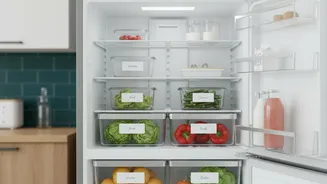
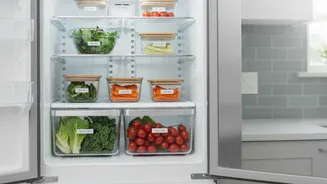
The foundation of any good fridge plan is designated space. This is the most effective way to prevent one person’s grocery haul from overwhelming the entire fridge. Depending on the number of roommates and the fridge layout, you can assign each person a specific shelf or split the fridge vertically. Crisper drawers can also be assigned, or you can agree to share them. The door is often best treated as communal space for shared items like condiments. Use masking tape or labels to clearly mark whose zone is whose, at least for the first few weeks, until the system becomes habit. This simple act of creating physical boundaries makes it easy for everyone to see where their items belong.
Step 2: Defining 'Shared' vs. 'Personal'
Not everything needs to be kept separate. It’s often impractical for three people to each have their own bottle of ketchup or jar of mustard. A core part of your agreement should be defining what is communal. Typically, long-lasting condiments, butter, and perhaps milk and eggs are good candidates for sharing. You can decide to take turns buying these items or use a shared fund. For everything else, the rule should be that it's personal property. To avoid confusion, label anything that is special or that you absolutely do not want to be shared. This makes it clear what's off-limits and what's fair game. The most important rule of all: always ask before taking something that isn't yours, even if you plan to replace it.
Step 3: Managing Leftovers and Cleanliness
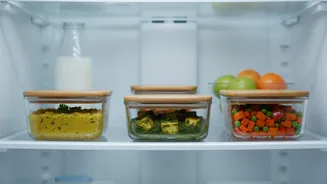
A fridge agreement isn’t just about space; it’s about maintenance. Two major points of contention are old leftovers and general cleaning. First, establish a rule for leftovers. A good policy is that anything uneaten after a set number of days (say, four or five) is fair game to be tossed out by anyone. This prevents mouldy containers from taking up valuable real estate. Second, create a cleaning schedule. While everyone should be responsible for wiping up their own spills immediately, a deeper clean is needed periodically. You can decide to rotate the responsibility weekly or monthly, or schedule a day where everyone pitches in to empty the fridge, wipe down all surfaces, and dispose of any expired food.
Step 4: Putting It All in Writing
Once you've discussed everything, make the agreement tangible. While it might feel overly formal, writing down the rules and posting them on the fridge door removes any ambiguity. This document serves as a friendly reminder and a reference point if conflicts arise. It doesn't need to be a lengthy legal contract; a simple, bulleted list of the key points you’ve all agreed on will do. This includes shelf assignments, the list of shared items, the leftover policy, and the cleaning schedule. A written agreement ensures that no one can claim they “forgot” the rules and helps hold everyone accountable in a fair and transparent way.