








A Staple with a Storied Past
For generations, kathal has been a quiet constant in Indian kitchens. Its presence is woven into the country's culinary fabric, with references dating back thousands of years in ancient texts. Traditionally, this versatile fruit has been celebrated in two
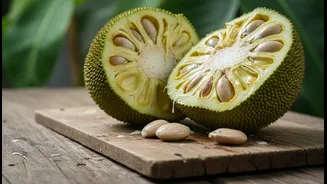
distinct forms. When unripe and green, its fibrous, meaty texture makes it the perfect canvas for savoury dishes. Think of the classic kathal ki sabzi, a spiced curry popular in North India, or the tangy, complex flavours of kathal ka achaar (jackfruit pickle), a method that preserves the seasonal bounty for months. In the south, it's used in everything from stir-fries (palya) to biryanis and chips. Once ripened, the fruit transforms entirely. The pods turn a luscious yellow, emitting a strong, sweet aroma, with a flavour often described as a mix of pineapple, mango, and banana. Despite its deep roots, for a time, the fruit was seen as a humble, even overlooked, part of our agricultural landscape.
The Modern Superfood Makeover
So, what’s behind kathal’s recent surge in popularity? A big part of the story is a growing global awareness of its impressive nutritional profile. Often hailed as a 'superfood', jackfruit is packed with essential nutrients. It is a great source of vitamins like A and C, which are crucial for boosting immunity and maintaining healthy skin. It is also rich in dietary fibre, aiding digestion and helping to regulate blood sugar levels. Furthermore, it contains important minerals like potassium, which contributes to heart health by helping to manage blood pressure, and magnesium. The fruit is also loaded with antioxidants, compounds that help protect our cells from damage. This powerful combination of health benefits has caught the attention of health-conscious consumers, transforming jackfruit from a simple 'poor man's food' into a desirable wellness ingredient.
The Plant-Based Revolution's New Star
Perhaps the biggest driver of kathal's comeback is the global rise of plant-based diets. Unripe jackfruit has a unique, stringy texture that bears a striking resemblance to pulled pork or shredded chicken. This has made it an incredibly popular meat substitute for vegans, vegetarians, and even meat-eaters looking to reduce their consumption. Unlike many processed soy or wheat-based alternatives, jackfruit is a whole food, which appeals to those seeking more natural options. Indian cafes and international chains alike are getting creative, using kathal in dishes that were once exclusively non-vegetarian. You can now find pulled jackfruit burgers, kathal tacos, and even jackfruit pepperoni on menus across the country. This culinary innovation has introduced the humble fruit to a new generation of diners, positioning it as a trendy and sustainable choice.
Sustainable and Season-Forward
Beyond its health and culinary appeal, jackfruit scores high on sustainability. The jackfruit tree is a hardy, perennial crop that requires relatively little water and is naturally pest-resistant, meaning it can be grown with minimal chemical intervention. A single tree can produce hundreds of large fruits each year, making it a high-yield crop that can be a reliable source of income for farmers. Governments in states like Kerala and Tamil Nadu have even launched missions to encourage jackfruit cultivation, recognising its economic and environmental potential. Embracing kathal is also about embracing seasonal eating. Its main harvest season in most parts of India runs from the spring through the summer months, a reminder to enjoy fresh, local produce at its peak.