







A Seasonal Star for the Rains
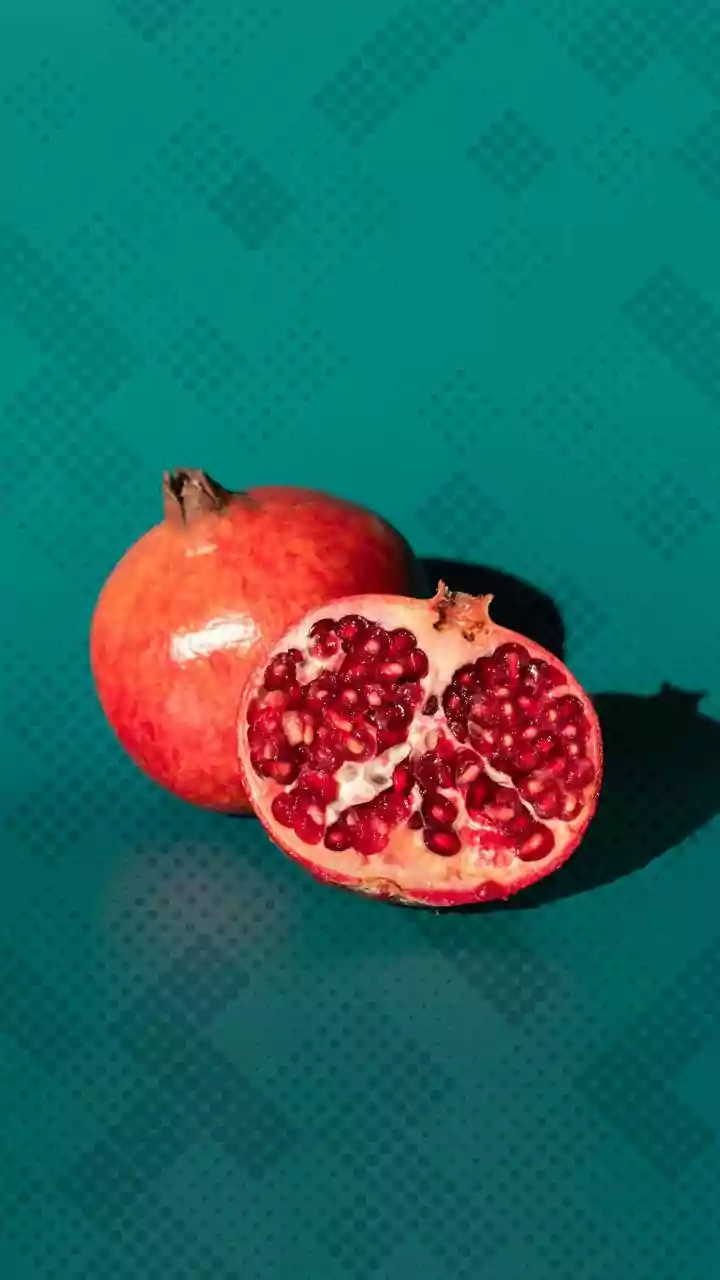
While pomegranates are available in India for much of the year, one of the primary harvesting seasons aligns with the monsoon and post-monsoon period. The 'Mridula' and 'Bhagwa' varieties, known for their sweet taste and deep red arils, are often harvested
from July through September. This makes the rainy season an ideal time to enjoy them fresh. The monsoon often brings a slowdown in our digestive systems and a higher risk of infections, making it the perfect time to turn to fruits that can offer a natural defense.
Your Monsoon Immunity Guardian
The rainy season is notorious for colds, flu, and other infections. Pomegranates are an excellent source of Vitamin C, a crucial nutrient for a robust immune system. A single pomegranate can provide a significant portion of your daily vitamin C needs, helping your immune cells function more effectively. Beyond Vitamin C, pomegranates are packed with powerful antioxidants like punicalagins and anthocyanins. These compounds help protect your body's cells from damage caused by free radicals, further bolstering your defenses against seasonal illnesses.
An Ally Against Inflammation
Inflammation can be a root cause of many health issues, and it can be exacerbated by dietary and environmental factors during the monsoon. Pomegranates possess potent anti-inflammatory properties, largely attributed to their high concentration of antioxidants. Studies suggest that regularly consuming pomegranate may help reduce inflammation in the body, which can be particularly beneficial for conditions like arthritis, which can feel worse in damp weather. These anti-inflammatory effects also support heart and joint health.
Promoting Better Digestion
Digestive issues are common during the monsoon. Pomegranates are a good source of dietary fibre, which is essential for maintaining a healthy digestive system. The fibre in the arils helps regulate bowel movements and can prevent constipation. Furthermore, compounds in pomegranate may have a prebiotic effect, meaning they help nourish the beneficial bacteria in your gut. A healthy gut microbiome is not only key for digestion but is also closely linked to a strong immune system.
Choosing and Enjoying Your Pomegranate
To reap the benefits, you need to pick the right fruit. Look for pomegranates that feel heavy for their size, a sign that they are full of juice. The skin should be firm, smooth, and have a deep, rich colour. A ripe pomegranate often has a slightly flattened or angular shape rather than being perfectly round. You can store whole pomegranates in the refrigerator for up to a month. Enjoy the arils on their own, sprinkled over salads and yogurt, or blended into a refreshing raita or smoothie. For a simple and healthy drink, you can blend the seeds with a little water and strain to make fresh juice.