

Understanding GRAP Stage 1
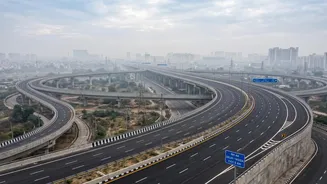
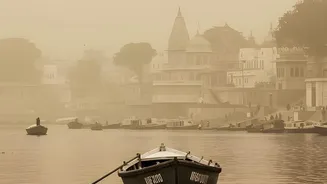
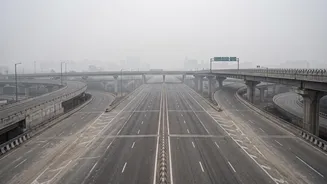
The Graded Response Action Plan, or GRAP, is a set of emergency measures that are enforced in stages to combat deteriorating air quality in Delhi and its adjoining areas. It is not a year-round plan but is activated as pollution levels cross certain thresholds.
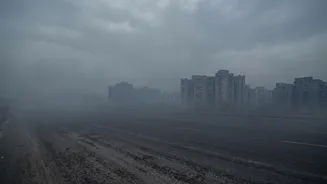
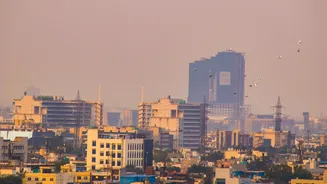
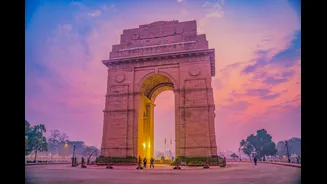
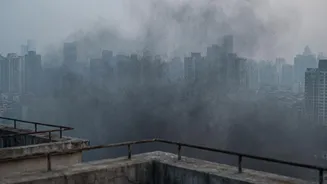
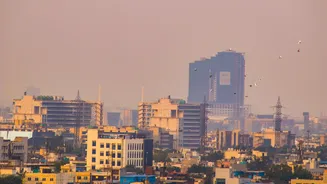
Stage 1 is triggered when the Air Quality Index (AQI) enters the 'poor' range, which is between 201 and 300. The Commission for Air Quality Management (CAQM) implemented Stage 1 across the NCR on October 21, 2026, after the city's AQI jumped from 'moderate' to 'poor', largely following Dussehra celebrations. The goal of this stage is to prevent the air quality from getting worse by controlling key sources of pollution before they escalate.
Rules for Private and Commercial Vehicles
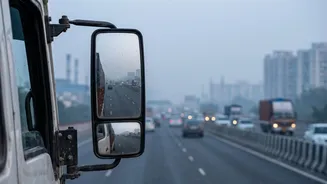
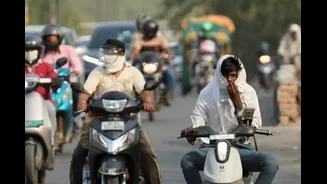
For the average commuter, GRAP Stage 1 does not impose a blanket ban on driving private cars, nor does it implement the odd-even rule. However, enforcement of existing transport regulations will be much stricter. Authorities will intensify checks for valid Pollution Under Control (PUC) certificates, and vehicles found without one may face penalties or be impounded. Action will also be taken against visibly polluting vehicles. Importantly, existing bans on over-aged vehicles—typically 10-year-old diesel and 15-year-old petrol cars—remain firmly in place and will be strictly enforced. Furthermore, non-destined truck traffic may be diverted away from Delhi to ease congestion and reduce emissions.
Restrictions on Construction and Industries
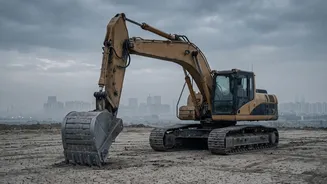
A significant part of Stage 1 focuses on controlling dust and industrial emissions. All construction and demolition (C&D) projects on plots of 500 square metres or larger must be registered on the government web portal. Strict measures like mechanised sweeping, regular water sprinkling on roads, and covering C&D materials are mandatory. Open burning of any kind, including garbage, leaves, and biomass, is strictly prohibited. There are also restrictions on industrial activities; for instance, the use of diesel generator sets is limited to emergency and essential services only. Additionally, hotels, restaurants, and other eateries are banned from using coal and firewood in their tandoors, encouraging a switch to cleaner electric or gas-based alternatives.
What About Public Transport?
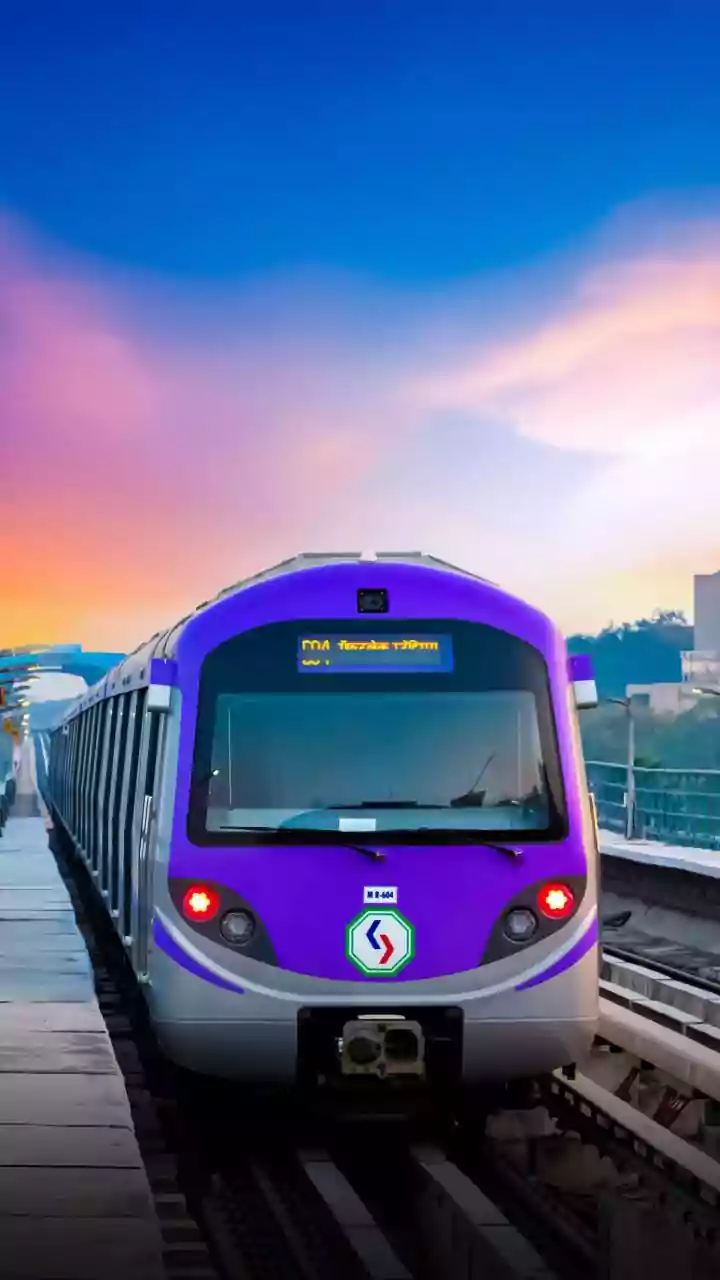
To encourage fewer private vehicles on the road, GRAP measures often include augmenting public transport services. Under Stage 1, authorities are directed to increase the frequency of CNG and electric buses as well as Metro services. The goal is to make public transit a more convenient and accessible option for commuters, thereby reducing overall vehicular emissions. Citizens are also encouraged to adopt greener travel habits, such as carpooling or using public transport whenever possible, to contribute to the effort. Some directives even suggest introducing differential fares to encourage travel during off-peak hours to reduce traffic congestion.
Practical Tips for Commuters
Navigating the city under GRAP rules requires awareness and a bit of planning. First, ensure your vehicle's PUC certificate is current and kept in your car at all times. If you own an older vehicle, double-check the rules to confirm it is still allowed on the roads. Consider using the metro or buses for your daily commute, as their frequency may be increased. Carpooling with colleagues or neighbours is another effective way to reduce the number of cars on the road. Finally, it's wise to stay informed about the daily AQI levels and any new advisories issued by the CAQM, as restrictions can be escalated to Stage 2 if air quality deteriorates further into the 'very poor' category.