


The Daily Staple: Idli's Clean Start
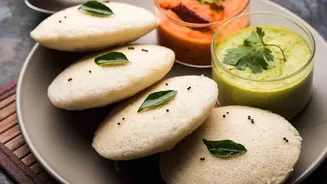
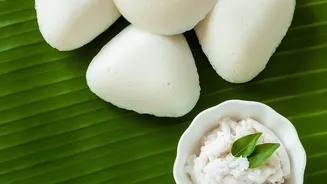
Idli is the undisputed, everyday hero of the South Indian breakfast table. These soft, pillowy, steamed cakes are made from a fermented batter of rice and urad dal (black lentils). This fermentation process is key to their magic. It not only gives them
their signature spongy texture but also breaks down the starches and proteins, making them incredibly easy to digest and gentle on the stomach. Think of idli as the disciplined, reliable choice. It's low in fat and calories, contains no cholesterol, and provides a clean source of carbohydrates and protein. Because they are steamed, not fried, they offer a light yet filling start that fuels your morning without weighing you down. This makes idli a go-to for everyone, from children to the elderly, and a favourite for those seeking a healthy, controlled beginning to their day.
The Comforting Indulgence: Pongal's Hearty Embrace
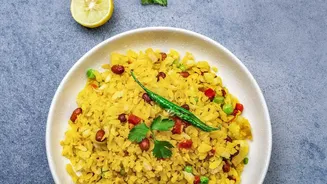
If idli is the clean start, Ven Pongal is the warm, comforting hug in a bowl. It is a savoury porridge-like dish made by cooking raw rice and moong dal together until they reach a creamy, soft consistency. What truly defines Pongal is the generous tempering of ghee, whole black peppercorns, cumin seeds, ginger, and curry leaves, often finished with a garnish of fried cashews. This makes it richer and more decadent than an idli. While the name 'Pongal' is famously associated with the Tamil harvest festival, the savoury Ven Pongal is a popular breakfast choice throughout the year, especially on weekends or cooler mornings when you crave something substantial and warming. It offers a balanced mix of carbohydrates and protein from the rice and dal combination, but the addition of ghee and nuts makes it more calorie-dense, providing a robust burst of energy.
A Nutritional Crossroads
Nutritionally, the choice between idli and pongal is a choice between two different energy strategies. Idli offers sustained, slow-release energy. Its fermented nature makes it a source of probiotics, which are beneficial for gut health and immunity. It's an excellent low-fat option that supports heart health. Typically, two medium-sized idlis contain around 100-120 calories, with a modest amount of protein and fibre. Pongal, on the other hand, is designed for satiety and comfort. While also easy to digest, it is higher in calories and healthy fats due to the ghee and cashews. This makes it deeply satisfying and keeps you full for longer, but it can also feel heavier. Some even say a generous serving of pongal is a perfect recipe for a relaxed morning, perhaps even followed by a nap. It’s the breakfast you choose when you need to fortify yourself against a long day or simply want to indulge.
The Philosophy of the Plate
Ultimately, the decision between idli and pongal is a reflection of intent. Choosing idli is often about discipline, health, and routine. It's the quick, dependable, and efficient fuel that gets your day started without fuss. It is a canvas for its accompaniments—the tangy sambar and fresh coconut chutney—which complete the meal. Choosing pongal is an act of comfort and self-care. It’s a more deliberate, slower breakfast. Its peppery, ghee-laden aroma is a sensory experience in itself. While also served with chutney and sambar, pongal is a complete flavour package on its own. It’s the breakfast for a rainy day, a lazy Sunday, or a moment when your soul needs as much nourishment as your body.